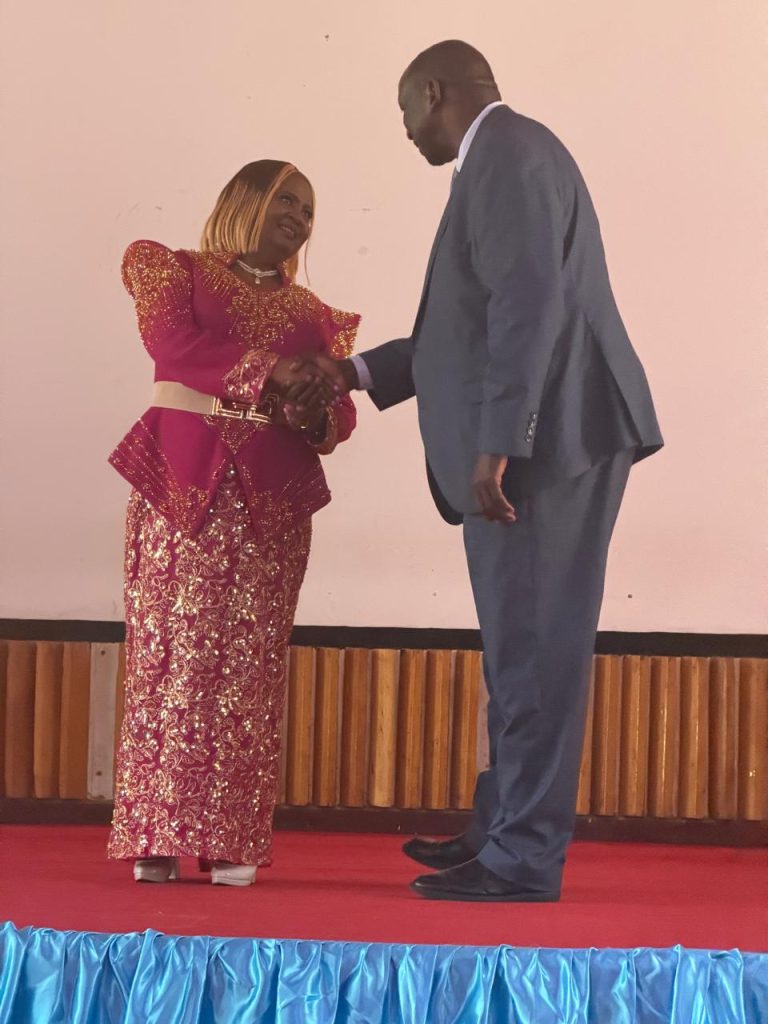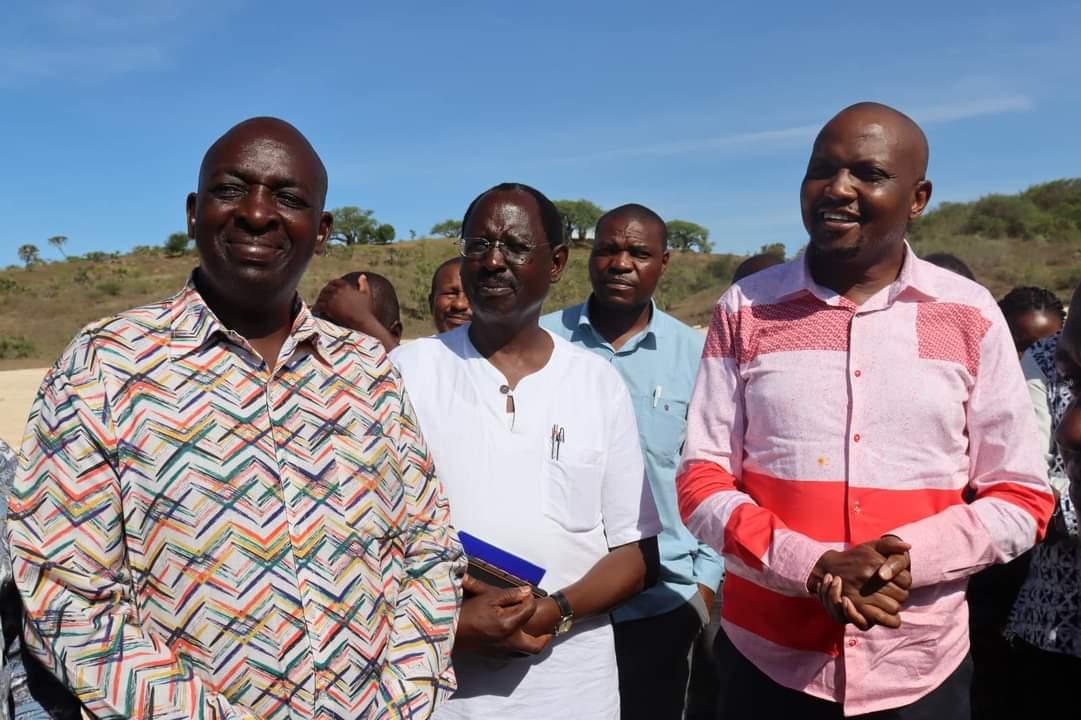
Ministry of Investments, Trade & Industry CS Kuria and MP James Mwangi Gakuya
By: John Kariuki
The National Assembly’s Committee on Trade, Industry and Cooperatives has been informed that the Japanese government has given a grant of Ksh. 6 Billion towards the development of Dongo Kundu Special Economic (SEZ) in addition to the Ksh. 50 Billion loan.
The Ministry of Investments, Trade & Industry Cabinet Secretary, Moses Kuria and the Permanent Secretary for the State Department of Investment Promotion, Mr. Abubakar Hassan Abubakar disclosed this during the Committee’s inspection tour of the Dongo Kundu SEZ.
Led by the Chairperson James Mwangi Gakuya, the committee sought to understand the challenges experienced by the Dongo Kundu SEZ, the progress on squatter settlement, the investors at the zone and their strategic plan.
In his response, the Special Economic Zone Authority (SEZA) CEO Mr. Kenneth Chelule took the delegation through the Dongo Kundu SEZ Master Plan and how the 3,000 acres had been apportioned.
Mr. Chelule said that the Ksh. 6 Billion grant by the Japanese government will aid in the construction of the basic infrastructure, Administration Block and leveling artworks at the Free Port Area.
The SEZA CEO told the delegation that the Budget of Ksh. 1.4B had been set aside to settle the squatters and that the plans are at an advanced stage by the National Land Commission to compensate them.
He said that the Dongo Kundu had been sub-divided to accommodate the Free Port Area, Road Network, Water Distribution Centre, Enterprise Area and the Free Trade Zone.
Speaking during the inspection visit, Moses Kuria affirmed to the Trade Committee that already 2 investors; Taifa Gas Company and East African Tea Traders Association had already done ground breaking of their projects with the blessing of the Dongo Kundu Community.
Mr. Kuria urged the Special Economic Zone Authority to work closely with the Trade Committee and also pledged his full support to SEZA.
In his closing remarks, Gakuya appreciated the drive and commitment by Kuria in supporting the Special Economic Zones indicating that there was need for aggressive engagement on matters development to uplift the economy.
Similar Posts by The Mt Kenya Times:
- Mt Kenya Times ePAPER October 26, 2026
- Sakaja challenges Kamukunji police over Eastleigh suspect bail
- Muturi demands binding livestreaming rules for 2027 polls to prevent repeat of 2022 chaos
- NTSA calls for road safety to be declared a national disaster after 24 die in Mtito Andei crash
- Ruku turns on Waiguru over deputy president ambitions: ‘That seat is not being contested for’
About the Author