DP’s Wife Warns Kenyans About Mental Health Challenges Facing The Youth
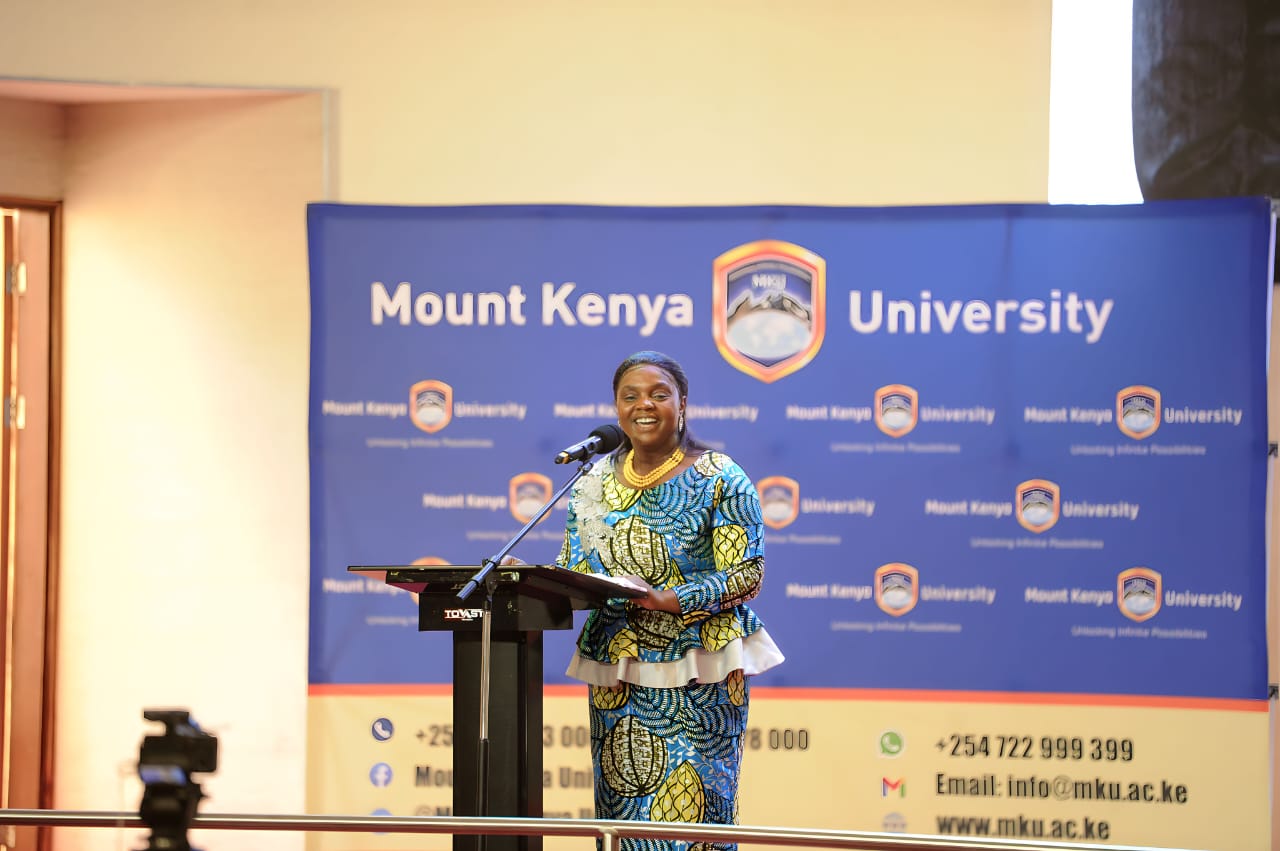
MKU sikika Pastor Dorcas Gachagua

By James Wakahiu
Worth Noting:
- During the forum, Pastor Dorcas shared her story on suicidal thoughts back in her Kenyatta University days. She had contemplated suicide when a gas cylinder she had bought for her mother exploded. It is a situation that led her to regrets on why she had bought the gas cylinder. The forum, held MKU’s Mwai Kibaki Convention Centre, brought together university students from various institutions under the theme sikika, tubonge, tusifiche. The initiative, which was attended by MKU students and youth from Thika, aspires to see significant reduction in the number of young people living with anxiety and depression in Kenya.
- The pastor said rehabilitation centers are being put in the counties so that people in need can be rehabilitated. “With the help of NHIF, it will be easier and accessible to all,” she said.

The wife of the Deputy President Rigathi Gachagua, Pastor Dorcas Gachagua, has urged Kenyans not to stigmatize those suffering from mental illnesses, particularly the youth in colleges and universities.
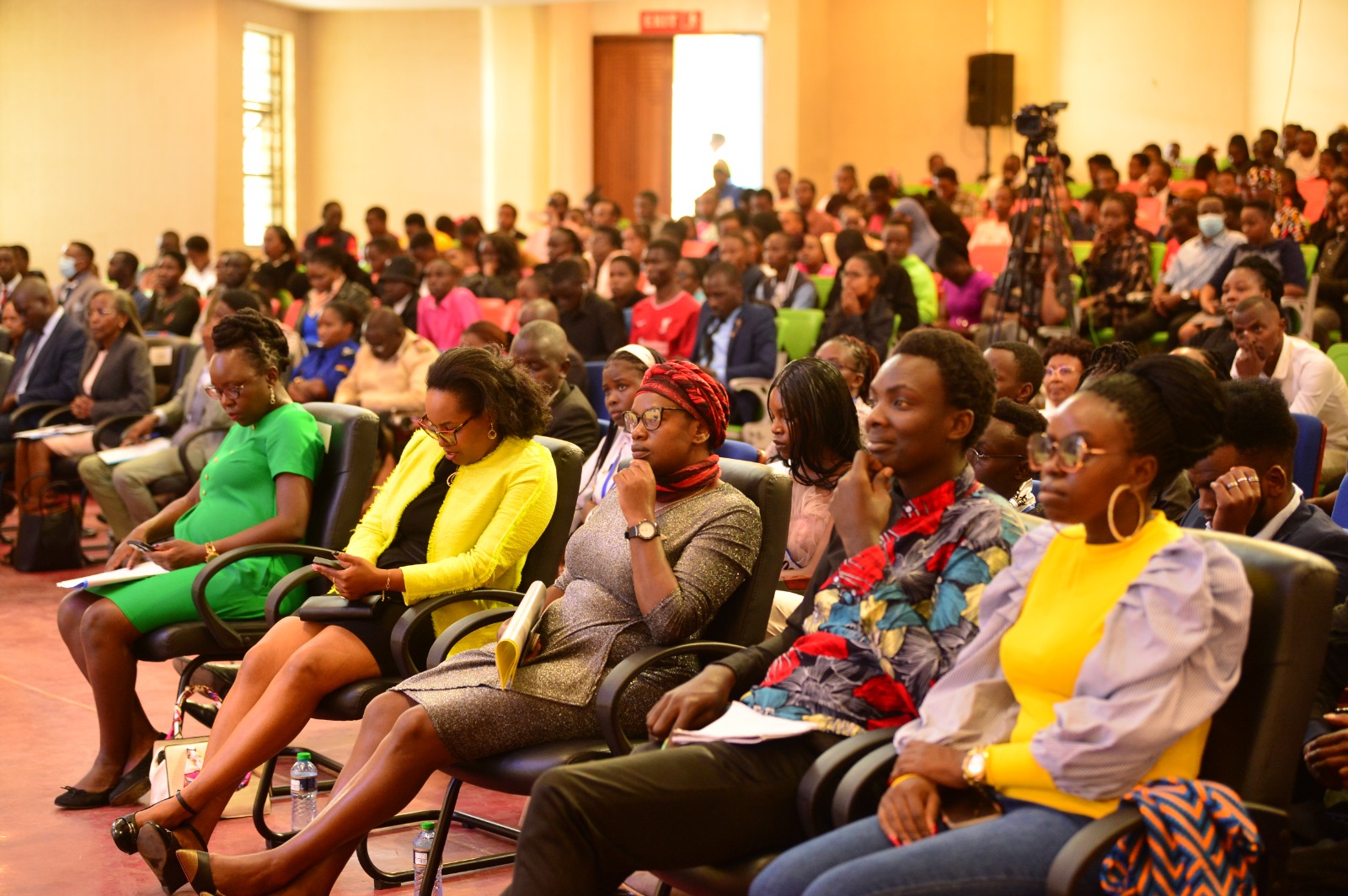
Speaking during a youth forum dubbed Sikika Youth Fest held at Mount Kenya University (MKU) in Thika town, Pastor Dorcas expressed concerns over the increased cases of mental health and depression within universities and institutions of higher learning. The meeting aimed at addressing mental health issues among the youth. “What we are trying to do is doing sensitization, so that people do not stigmatize those suffering,” she said.
She called on universities and institutions of higher learning to create offices of deans and counselors specifically to tackle mental health challenges. “I look forward to where every university will have a dean and counselors to speak to our students, where students can get some help. We start to talk demystify mental illness so that those suffering can have the courage to talk to anyone around them,” she said.
During the forum, Pastor Dorcas shared her story on suicidal thoughts back in her Kenyatta University days. She had contemplated suicide when a gas cylinder she had bought for her mother exploded. It is a situation that led her to regrets on why she had bought the gas cylinder.
Requested to accompany fellow students to visit the then President Daniel Arap Moi in his Kabarnet Gardens residence, Nairobi, Pastor Dorcas tried to run towards the president, uncaring that she risked being shot or badly beaten by the President’s security team.
But like a father, Moi listened to her story and discouraged her from committing suicide. “My mother was in distress. I was contemplating suicide. Marriage was the last thing on my mind. I ran to President Moi because I wanted his security to shoot me dead. Thankfully, the President lent me an ear, “she said.
Pastor Dorcas called on the youth to speak out when depressed. “You must speak to one another; you must find someone to lean on. And we must offer shoulders to one another. Do not keep those things to yourself,” she said.
In a recent visit to Miritini Rehabilitation Centre in Mombasa County, she said she learned that at least 60 per cent of recovering addicts confessed to be university students and drop outs. “Mental health and drugs are robbing out country a future generation. This is a global crisis,” she said.
As a boy child advocate, the Second Lady said she is more concerned because the male gender reports more cases of mental health and suicide than females. Sometimes, global culture assumes men are wired for anything and we don’t care about the boy. The boy child always has to stand up for a broken home and that’s why most of them are drug addicts with mental health issues.
“As a mother I will speak until the whole world hears. When I advocate for my boy child case, am advocating for my girl child. The boy is the seed carrier. Both must be brought up together and must be equally valued,” she said.
The forum, held MKU’s Mwai Kibaki Convention Centre, brought together university students from various institutions under the theme sikika, tubonge, tusifiche. The initiative, which was attended by MKU students and youth from Thika, aspires to see significant reduction in the number of young people living with anxiety and depression in Kenya.
The pastor said rehabilitation centers are being put in the counties so that people in need can be rehabilitated. “With the help of NHIF, it will be easier and accessible to all,” she said.
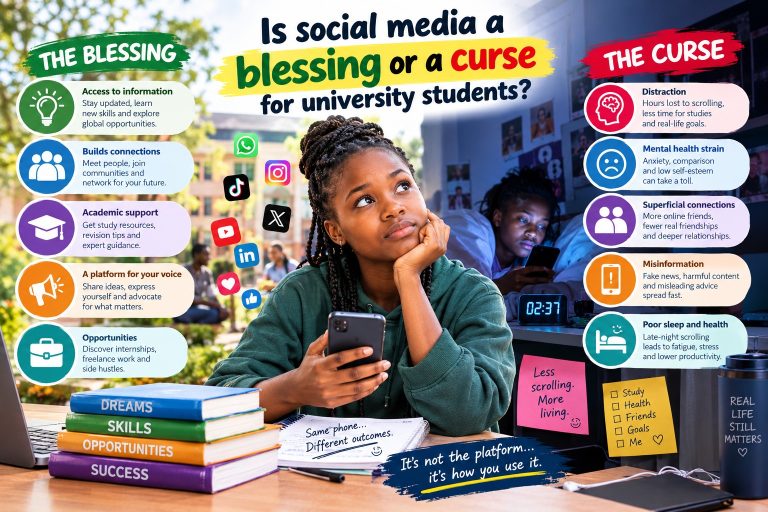
MKU Co-Founder Dr Jane Nyutu expressed concerns over the youth are getting into mental disorders and depression, noting that many are getting into such due to peer pressure. “We have the culture of ‘sponsorship’ that has rendered our youth desperate in their future lives. Not forgetting the celebrity culture, many want to live like someone they have seen on social media,” she said.
Nyutu said that social media and the internet are generally some of the major causes of mental imbalance and urged the youth to consume content on the platforms wisely. “Many of our young people have fallen into stress and depression when they feel they are different from others,” she added.
Dr Nyutu said research indicates that 50 per cent of mental health disorders begin during adolescence (14years). The findings further indicate that by age 24, 75 percentage, of all mental disorders have made themselves manifest (Mental Health and Wellbeing: Towards Happiness & National Prosperity (2020),Ministry of Health: Kenya,” she said.
She said among that various factors that trigger mental issues among youths include family of origin – growing up in an abusive environment and domestic violence. “Being raised by a parent suffering psychological disorder such as borderline personality or even a psychotic parent or guardian is a challenge. There is also competitive academic performance and prolonged poor academic achievement,” she noted.
Poverty, broken and shrinking social fabric (such as living in gated communities and apartments), social media, relationship challenges, and the culture of silence instead of self-expression when in need or ill contribute to depression.
A trained counselor, Dr Nyutu had in her PhD, she sought to understand why students register for courses but drops out or change courses midway. She also sought to find out how counseling psychology can help the students overcome the challenges they encounter in their studies.
She researched how counseling psychology can help university students overcome the challenges they encounter in their studies. Her study also shows that with good handholding while in college, young people are able to easily launch successful careers both in employment or enterprise when they graduate.
Nyutu worked with medical students on her PhD thesis titled ‘The Effectiveness of Counselling Services on Academic Performance and Retention Rates’. She sought to understand why students register for courses but drop out or change midway.
She focused on students studying medicine and surgery, where she observed a huge drop-out rate. During the study, Nyutu supported the students through counseling; including how to approach their studies, handling societal expectations and even failure as well as such areas such as financial management.
“Over time, students register for medicine in big numbers but some end up dropping out, others transfer courses and others are discontinued. I wanted to find out what we as counsellors can do to ensure that when students join universities they read and graduate successfully and in good time,” she said.
Recent statistics highlight the concerning state of youth mental health in Kenya. Studies have shown an alarming increase in anxiety and depression cases among young individuals. Additionally, the rising rates of suicide, especially among young men, are deeply troubling. These statistics reflect the urgent need for comprehensive interventions and support systems to address these mental health challenges faced by the youth.
Sikika Tubonge Tusifiche aims to establish a robust network that connects young people with mentors and provides access to various opportunities. The initiative also seeks to empower the youth and offer them a chance at a dignified future by bridging the gap between youth and mentors.
Similar Posts by The Mt Kenya Times:
- Mt Kenya Times ePAPER October 21, 2026
- Kenya confirms ninth Ebola case as outbreak remains contained within single cluster
- Musk pledges SpaceX share for every American child in 2027
- Abiy calls for deeper Kenya-Ethiopia trade partnership at Eldoret ceremony
- Kenya’s oil moment: Promise, responsibility and the long road from Turkana to market
About the Author