KEMSA chief tells Ruto medicine order fill rate has more than doubled in four years
 The Mt Kenya Times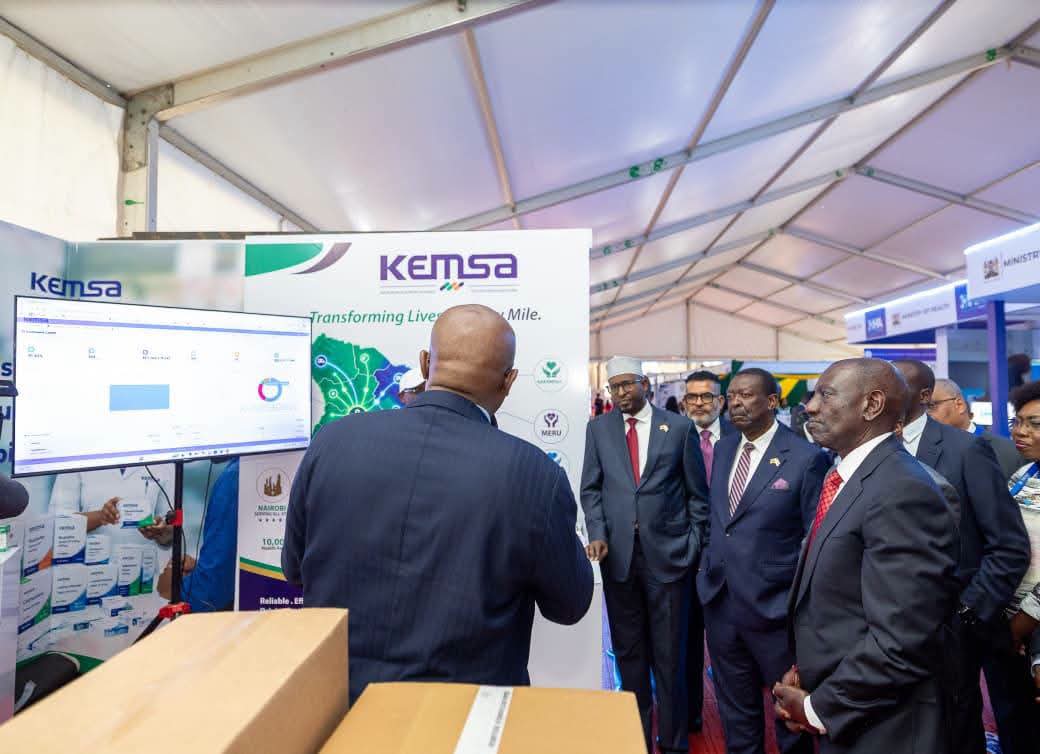
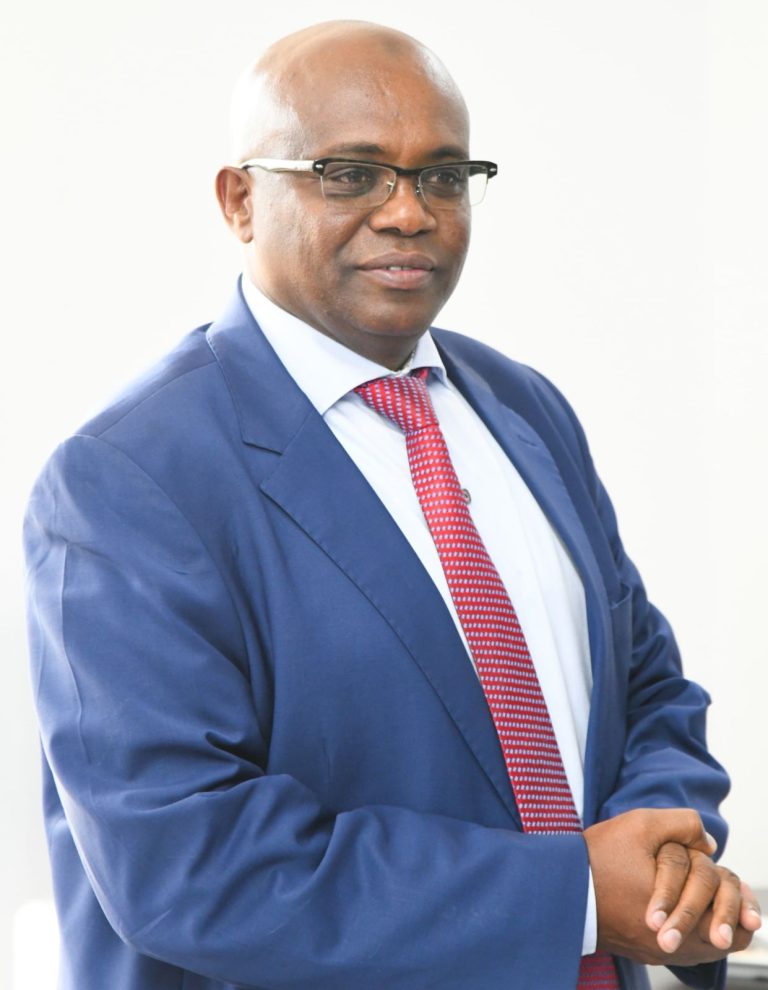
Dr. Waqo Dulacha Ejersa, Chief Executive Officer, KEMSA
Ejersa says authority is targeting 100 per cent order fulfilment as digital overhaul transforms supply chain
By John Kariuki
Kenya Medical Supplies Authority (KEMSA) Chief Executive officer Waqo Dulacha Ejersa has told President William Ruto that the authority has raised its medicine order fill rate from roughly 40 per cent to more than 90 per cent over the past three to four years, in what he described as a decisive move to end the persistent “Hakuna Dawa” syndrome in public health facilities.
Ejersa made the disclosure during the Kenya Health Summit in Nairobi, where he outlined a sweeping transformation of KEMSA’s procurement, warehousing, distribution and digitisation operations.
“Our business is to ensure commodity security,” he said, adding that the authority’s agreed target with the President is a 100 per cent order fill rate. In public health supply chains, he noted, a rate above 95 per cent is considered very good.
The turnaround began with a fundamental rethink of what KEMSA actually needed to stock. The authority had previously been pursuing around 3,800 molecules for procurement. After working with technical teams and county pharmacists, it narrowed its focus to approximately 500 priority stock-keeping units — concentrating resources on the commodities most needed by health facilities rather than spreading thinly across thousands of products.
KEMSA also moved away from holding six months’ worth of stock. Ejersa described the new approach as “shrink and grow” — reducing stockholding to roughly three months and replenishing as needed, which helped push fill rates significantly higher.
Digitisation has been central to the transformation. Ejersa demonstrated a real-time dashboard showing order fill rates, orders being processed, their monetary value and the facilities and counties being served. At the time of the presentation, the system showed 984 active orders valued at more than KSh500 million, serving approximately 855 health facilities across 35 counties.
KEMSA is now fully paperless. Officials can track individual transactions and monitor commodity movement down to facility level — what was ordered, processed and delivered. The next step is connecting KEMSA’s systems to the national Digital Health Architecture to create a unified Logistics Management Information System covering the entire country.
The authority has also changed how it delivers. Rather than depositing medicines at county or sub-county stores, KEMSA now takes commodities directly to the facility that placed the order. Ejersa said KEMSA is the only agency operating this doorstep delivery model, which shortens the distribution chain and reduces unnecessary intermediate handling.
Warehouse operations have shifted from conventional office hours to a split-shift system running from 7 a.m. to 7 p.m. The impact on turnaround times has been significant. For rural health facilities, order processing time has fallen from approximately 24 days to under two weeks. For hospitals, it has dropped from about 20 days to fewer than 10.
For Ejersa, the ultimate measure of success remains straightforward: whether Kenyans can walk into a public health facility and find the medicines they need.
Similar Posts by The Mt Kenya Times:
- Mt Kenya Times ePAPER October 7, 2026
- Ruto signs KSh389B electric vehicle deal at State House
- Kenya mobilises KSh70B to fight Ebola as US and World Bank step in
- High Court freezes law school admissions over disputed entry rules
- Grade 11 textbooks head to schools as CBC transition gathers pace
About the Author