Ecocide As A Criminal Act: Unveiling The Enormous Damage To The African Continent
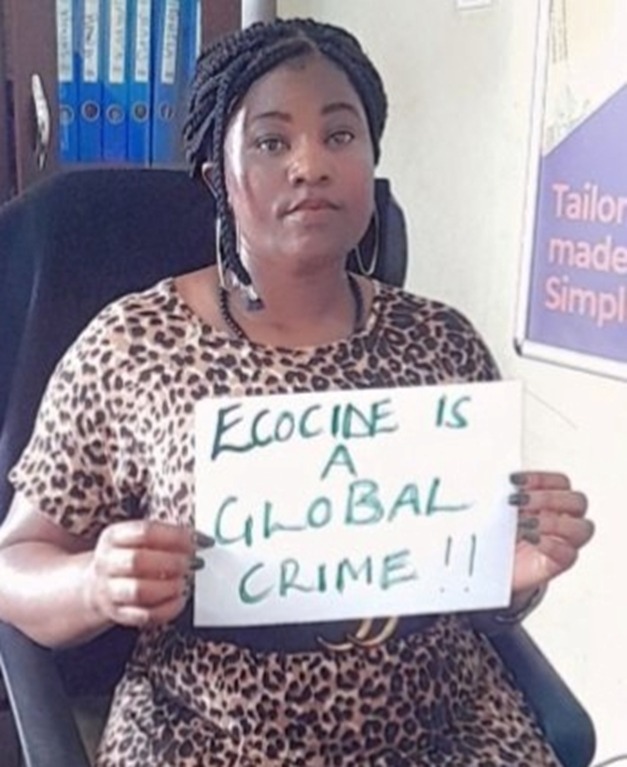

By: Linet Nabwire
Worth Noting:
- Uganda, like other African countries, has been severely impacted by the consequences of ecocide. Scorching heatwaves have become increasingly common, subjecting communities to unbearable temperatures and posing serious health risks.
- It is disheartening to note that Africa, despite emitting less than 4% of the global greenhouse gases, suffers the greatest brunt of climate change.
- The fight against ecocide requires collaborative efforts from governments, civil society organizations, and the international community. African nations must unite to advocate for stronger environmental protection laws and ensure the preservation of their citizens’ rights to a clean and healthy environment.
 The phenomenon of climate change has become a global concern, with devastating consequences affecting vulnerable communities worldwide. However, it is crucial to recognize that the African continent, responsible for less than 4% of global emissions, disproportionately bears the brunt of these environmental catastrophes. From scorching heatwaves to destructive floods, African nations like Uganda are grappling with the grim repercussions of ecocide, jeopardizing livelihoods, education, food security, and overall development. This article sheds light on the far-reaching damage caused by ecocide in Africa and advocates for it to be recognized as a criminal act.
Ravaging Effects of Ecocide:
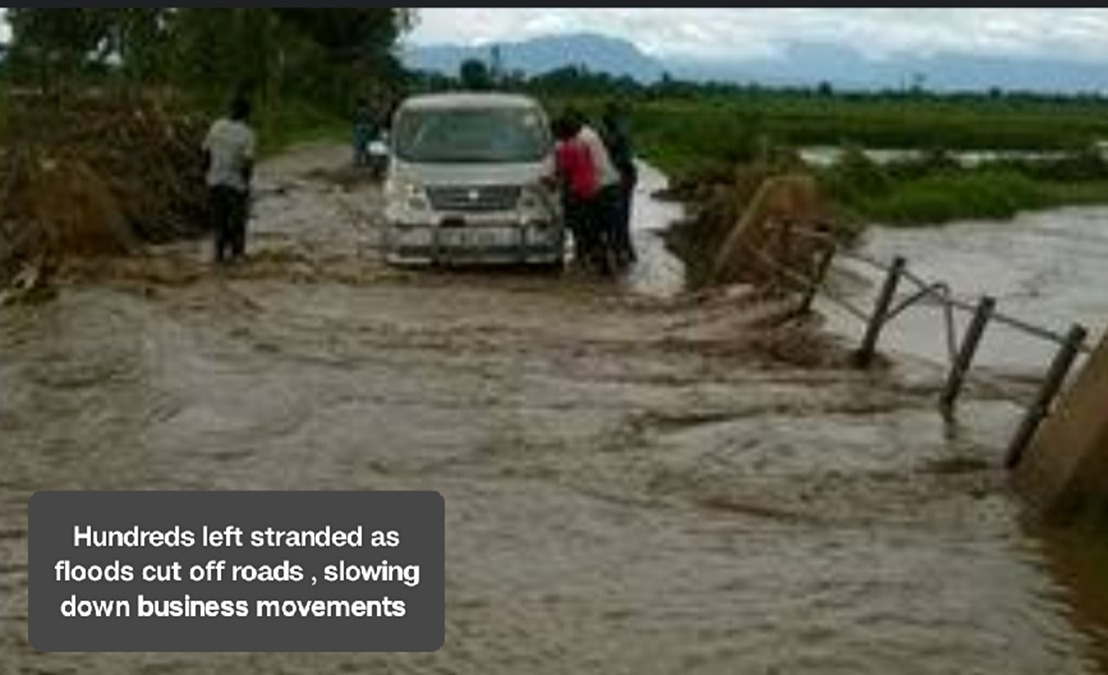
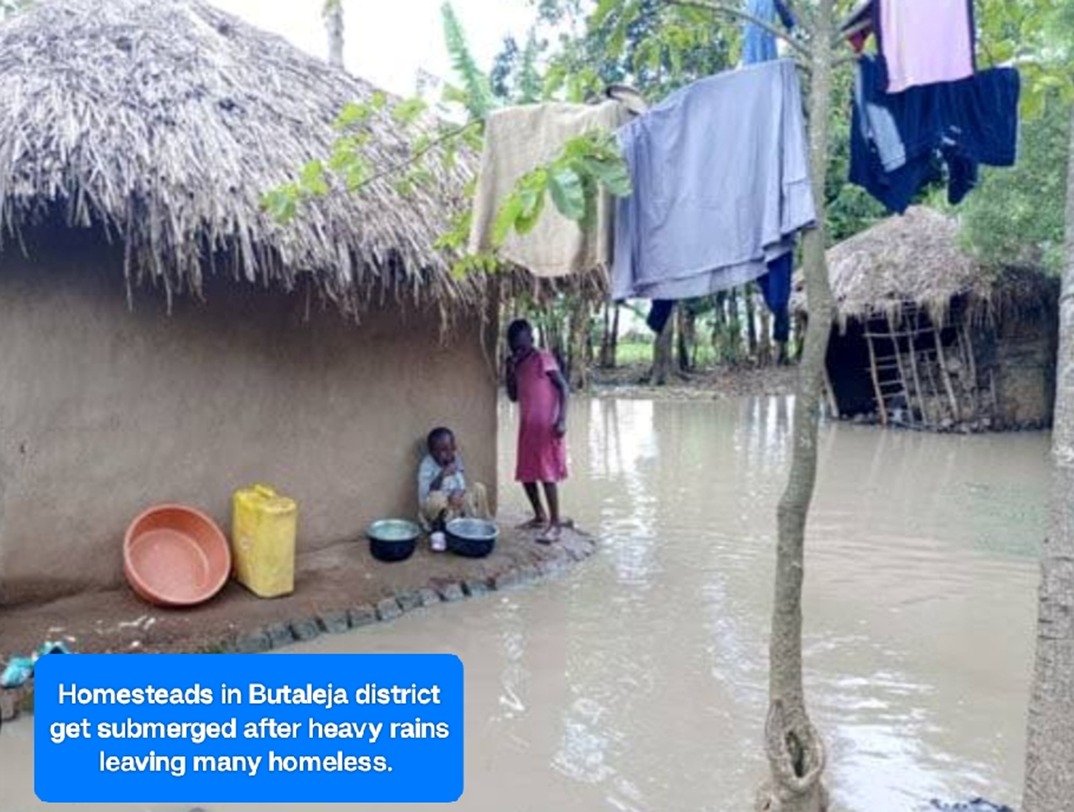
 Uganda, like other African countries, has been severely impacted by the consequences of ecocide. Scorching heatwaves have become increasingly common, subjecting communities to unbearable temperatures and posing serious health risks. Africa has also witnessed an uptick in destructive floods, with Butaleja district serving as a poignant example. Homes submerged, schools closed indefinitely, and vital infrastructure rendered impassable, leaving communities isolated and vulnerable. The floods not only cause immediate suffering but also pose long-term challenges, such as hunger and famine, as crops are destroyed and fertile lands submerged.
Discrepancy in Global Emissions:
 It is disheartening to note that Africa, despite emitting less than 4% of the global greenhouse gases, suffers the greatest brunt of climate change. The continent’s marginalized communities already face numerous socioeconomic challenges, and the disproportionate burden these communities bear in combating climate change exacerbates existing inequalities. This stark discrepancy underscores the urgency of recognizing ecocide as a criminal act to hold accountable those responsible for causing profound devastation to vulnerable populations.
The Call for Ecocide to be Criminalized:
Given the immense damage inflicted upon the African continent and its people, it is imperative to treat ecocide as a criminal act, imposing legal consequences on those who perpetuate it. Criminalizing ecocide will send a powerful message to the world that harm inflicted on marginalized communities will not go unnoticed or unpunished. It will also serve as a deterrent for corporations and industries that prioritize profit over environmental sustainability, establishing a precedent for responsible conduct and proactive measures to combat climate change.
Collaborative Efforts for Climate Justice:
The fight against ecocide requires collaborative efforts from governments, civil society organizations, and the international community. African nations must unite to advocate for stronger environmental protection laws and ensure the preservation of their citizens’ rights to a clean and healthy environment. Additionally, international partnerships, financing, and technology transfers are vital to support African countries’ sustainable development initiatives and enhance their resilience to climate change.
Conclusion:
The extent of damage caused by ecocide in Africa is alarming, particularly considering the continent’s minimal contribution to global emissions. The scorching heatwaves and devastating floods experienced in Uganda and other African countries demand urgent and decisive action. Recognizing ecocide as a criminal act is a crucial step towards holding responsible parties accountable and achieving climate justice. Through collaborative efforts and international support, we can strive towards a more sustainable future, where communities in Africa and beyond can thrive without the constant fear of ecological devastation
Similar Posts by The Mt Kenya Times:
- Mt Kenya Times ePAPER September 17, 2026
- Ruto and Uhuru: The rupture at the heart of Kenya’s 2027 election
- Gakoromone traders and rights group demand closure of sewage discharge
- Retirement is not disenfranchisement: Reclaiming the constitutional rights of Kenya’s former presidents
- Kenya’s 2027 election: Can technology strengthen democracy or manipulate voters?
About the Author