Erosion Of Public Trust In Kenya: The Consequences Of Police Brutality And Unresponsive Leadership On Democratic Order
 The Mt Kenya Times
By Jerameel Kevins Owuor Odhiambo
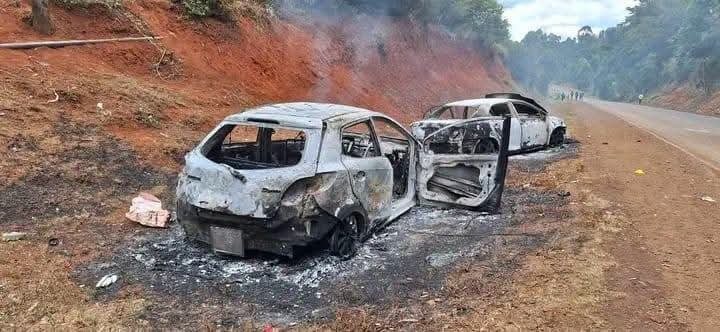
In recent times, Kenya has witnessed a disturbing surge in incidents of police brutality that have sparked widespread outrage among citizens. These events have not only highlighted the excessive use of force by law enforcement agencies but also exposed deeper systemic issues within the governance structure. The police, as agents of the state, are entrusted with the responsibility of protecting citizens and upholding the rule of law. However, when this trust is broken through acts of violence and repression, it creates a profound sense of insecurity and alienation among the populace.
The situation is further exacerbated by a leadership that appears increasingly disconnected from the needs and aspirations of its people. Despite the clear mandate enshrined in Article 1 of the Kenyan Constitution, which states that all sovereign power belongs to the people and that the government exists to serve them, there is growing evidence that some leaders prioritize personal and political interests over public welfare. This disconnect undermines the foundational principles of democracy and good governance, breeding frustration and disillusionment among citizens.
Public trust is the cornerstone of any functioning democracy. When people lose confidence in their leaders and institutions, the social contract that binds society begins to unravel. In Kenya, the repeated failure to address police misconduct and the reluctance of those in power to engage meaningfully with citizens’ concerns have led to a dangerous erosion of this trust. The perception that the government is self-serving rather than service-oriented fuels cynicism and disengagement, weakening democratic participation and accountability.
Moreover, police brutality is not an isolated issue but a symptom of broader governance challenges, including lack of transparency, accountability, and respect for human rights. The use of excessive force against peaceful protesters, arbitrary arrests, and intimidation tactics reflect a governance style that is more authoritarian than democratic. Such practices stifle dissent and discourage citizens from exercising their constitutional rights, thereby shrinking the democratic space.
The erosion of public trust also has significant implications for national stability and development. When citizens feel marginalized and oppressed, social cohesion is threatened, and the potential for conflict increases. Economic progress is hindered as uncertainty and instability deter investment and disrupt daily life. Furthermore, the international community closely watches how governments treat their citizens, and persistent human rights abuses can damage Kenya’s reputation and diplomatic relations.
To restore trust and reinforce the foundations of democratic governance in Kenya, the government must embark on a deliberate and far-reaching reform of the police service. This endeavor should begin with the restructuring of police training curricula to embed human rights, constitutionalism, and civic ethics at the core of law enforcement philosophy. Officers should be equipped not only with tactical skills but also with the intellectual and emotional aptitude necessary for engaging diverse populations with dignity and professionalism. Training must be continuous, adaptive, and assessed regularly to ensure its effectiveness in changing the culture within the service. Beyond training, the institutional culture of impunity that has long characterized Kenya’s police forces must be dismantled through clear accountability pathways and deterrent consequences for misconduct. Without such structural and cultural shifts, any reform efforts will merely be cosmetic and ultimately unsustainable.
Equally vital is the establishment of robust and truly independent oversight mechanisms that transcend tokenism and wield real authority. The Internal Affairs Unit and Independent Policing Oversight Authority (IPOA), while legally established, must be empowered with adequate resources, legal mandates, and operational independence to investigate abuses without fear or favor. This includes protecting whistleblowers, safeguarding victims and witnesses, and ensuring timely and transparent publication of findings. Oversight must also include a participatory dimension, where citizens are enabled to lodge complaints and track the progress of investigations. Accountability should be further reinforced by a judicial system that upholds the rule of law impartially and promptly, delivering justice not just in theory but in lived experience. Only then can confidence in state institutions begin to be rebuilt.
The responsibility of reform does not lie solely with government institutions; it also rests with political leaders whose rhetoric and behavior significantly influence public perceptions and social cohesion. Leaders must show more than performative concern during crises, they must institutionalize mechanisms of dialogue that bridge the gap between governance and citizenry. Town hall meetings, digital platforms for civic engagement, and community feedback loops are all viable tools that can foster participatory governance. However, such initiatives are meaningful only when accompanied by a sincere commitment to implementing citizens’ feedback and addressing long-standing grievances. Leaders must model ethical leadership, eschewing divisive politics and instead promoting unity, equity, and justice. By doing so, they affirm their allegiance not to power, but to the people they serve.
Civil society, the media, and local community leaders remain indispensable in this reform process. Civil society organizations provide critical checks on state power and amplify the voices of marginalized groups, while investigative journalism brings abuses to light and holds both politicians and law enforcers to public scrutiny. Community leaders, including elders, faith leaders, and youth mobilizers, bridge the formal and informal realms of governance, fostering grassroots accountability and peacebuilding. These actors must be protected and supported to operate without intimidation or repression. Furthermore, civic education must be mainstreamed across the country to cultivate a politically conscious citizenry that understands its rights and responsibilities. When citizens are informed, they are empowered to demand justice, resist repression, and participate meaningfully in national discourse.
Ultimately, the recent wave of police brutality and the government’s sometimes apathetic response underscores a critical truth: democracy is not self-sustaining. It must be safeguarded vigilantly, especially when tested by state overreach or civic disillusionment. The Constitution of Kenya, in Article 1, vests all sovereign power in the people. This is not a symbolic gesture; it is a legal and moral imperative that mandates service, humility, and accountability from all branches of government. Where these obligations are ignored, trust disintegrates, social contracts unravel, and democratic order stands at risk. Therefore, all stakeholders; government officials, civil society, media, and citizens must act collectively and courageously to defend democratic values. Only then can Kenya realize a future that is not only peaceful and just but also authentically representative of the people’s will.
The writer is a legal researcher and lawyer
Similar Posts by The Mt Kenya Times:
- Diaspora Times Global Oct 17 – Oct 23, 2026
- Is social media a blessing or a curse for university students?
- Light at last: How electricity is reshaping Nandi and Uasin Gishu
- The triple squeeze: how EPRA’s fuel price hike is reshaping the survival equation for the common mwananchi
- Zelenskyy accuses Trump of rewarding Putin as Pope pleads for peace from a hospital bed
About the Author