As the use of Artificial intelligence rapidly gains momentum, it is crucial to ensure that the technology enhances human capabilities rather than completely replacing them. While the use of AI is numerically beneficial, it is equally important to highlight and address its shortcomings and the negative implications it might have on the society. These shortcomings include, the potential manual labor displacement, lack of emotional intelligence and inability to make complex and dynamic judgments like humans. According to experts, the debate on this issue is wide and requires a well-structured approach.
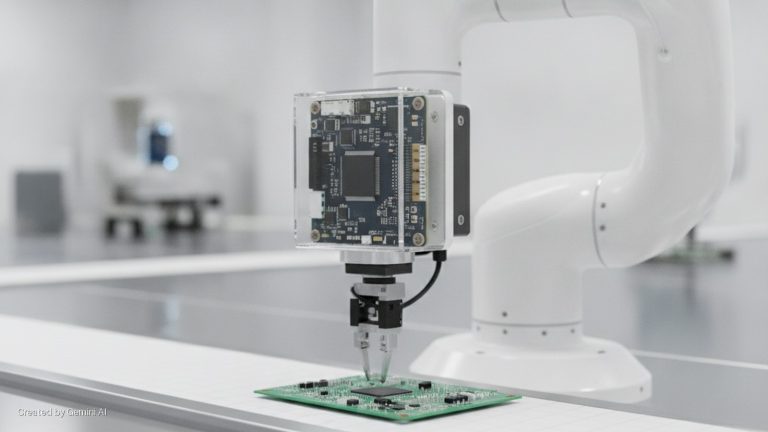
The rapid advancements and adoption of AI-powered systems in production and manufacturing sector raises eyebrows over the potential replacement of human labour due to automation. AI-powered robots and machines have as per now proved to perform tasks more quickly, accurately and consistently than humans beings comparably. This fact is gradually but steadily replacing the need for human laborers who are prone to exhaustion and error in industries. Despite the process of ‘replacement’ being slow and expensive, in the long run it might be inevitable and catastrophic if not well addressed.
In the transport sector, the production of fully autonomous cars is underway and poses a threat to the need of Human drivers in the near future. This could lead to mass loss of jobs promoting poverty and bureaucracy by the few owners of public transport and commercial vehicles. AI-powered vehicles use complex algorithms which interprets the vehicle’s environment by processing data from multiple cameras and sensors inorder to make navigation decisions. While the advancement may posses various benefits, potential safety and economic threats should also be addressed.
The use of AI in surveillance and military activities has rapidly evolved with the use of drones and autonomous weapons raising security and privacy concerns. For example, the use of facial recognition systems by governments and private entities has also been in the limelight over privacy violation and access control concerns. On the other hand, production of autonomous weapons that can select, engage and deploy attacks over targets without human intervention poses dangers of unintended consequences. In addition, the accountability of decisions and privacy violation acts made by machines remains enigmatic to the society to solve.
In conclusion, a careful approach towards addressing the societal and ethical issues possed by the use of AI should be adopted. This calls for collaboration and international cooperation to mitigate the challenges while ensuring full utilization of AI-technology for a brighter and sustainable future.
Article written by Victor Mutisya a student at Laikipia university
Similar Posts by The Mt Kenya Times:
- The people’s scorecard: When political theatre replaces leadership and accountability becomes a casualty
- CRITICAL REVIEW OF PRIDE AND PREJUDICE
- Tax relief for Kenyans: Will more money in our pockets make life easier?
- Poisoned bottle: Are we drinking ourselves into early graves?
- How Kenya and South Africa constitutionalized concentration while preaching the gospel of the disadvantaged
About the Author