
Femicide In Kenya: Leaders Call For Urgent Action Amid Rising Cases
 The Mt Kenya Times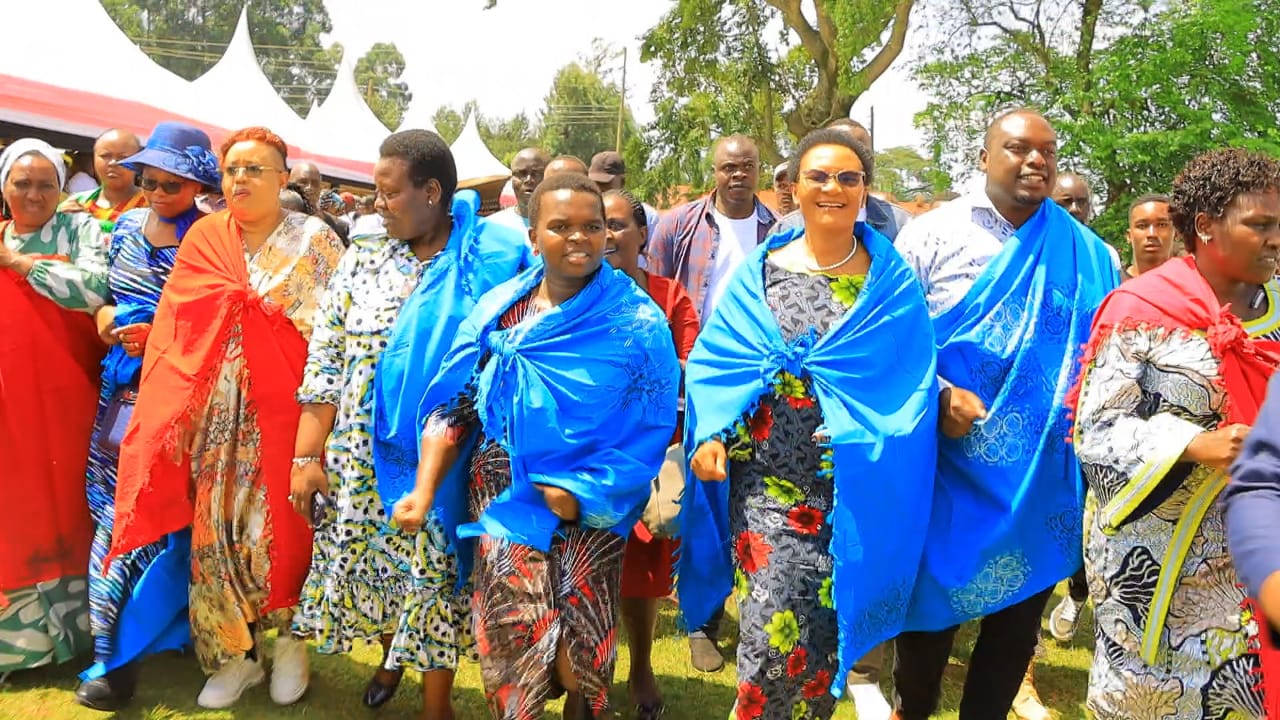
Kenya Women Parliamentarians
By Elizabeth Angira
Worth Noting:
- According to them, young women often meet strangers online, build quick relationships, and fall prey to individuals with harmful intentions.
- “Many trust too quickly without knowing each other deeply, and this has tragically led to cases of murder,” says KEWOPA Chair Leah Sanakai.
- Sanakai emphasizes the need for societal reforms and urged women to exercise caution in their interactions.
- Stella Achoki, the Director for CECOME a community-based organization working to end sexual and gender-based violence and promote young women’s leadership in the community are working with the county government in Kisii, to put in place policies that address systemic issues and drivers of sexual violence and foster a culture that values and supports girls’ education.
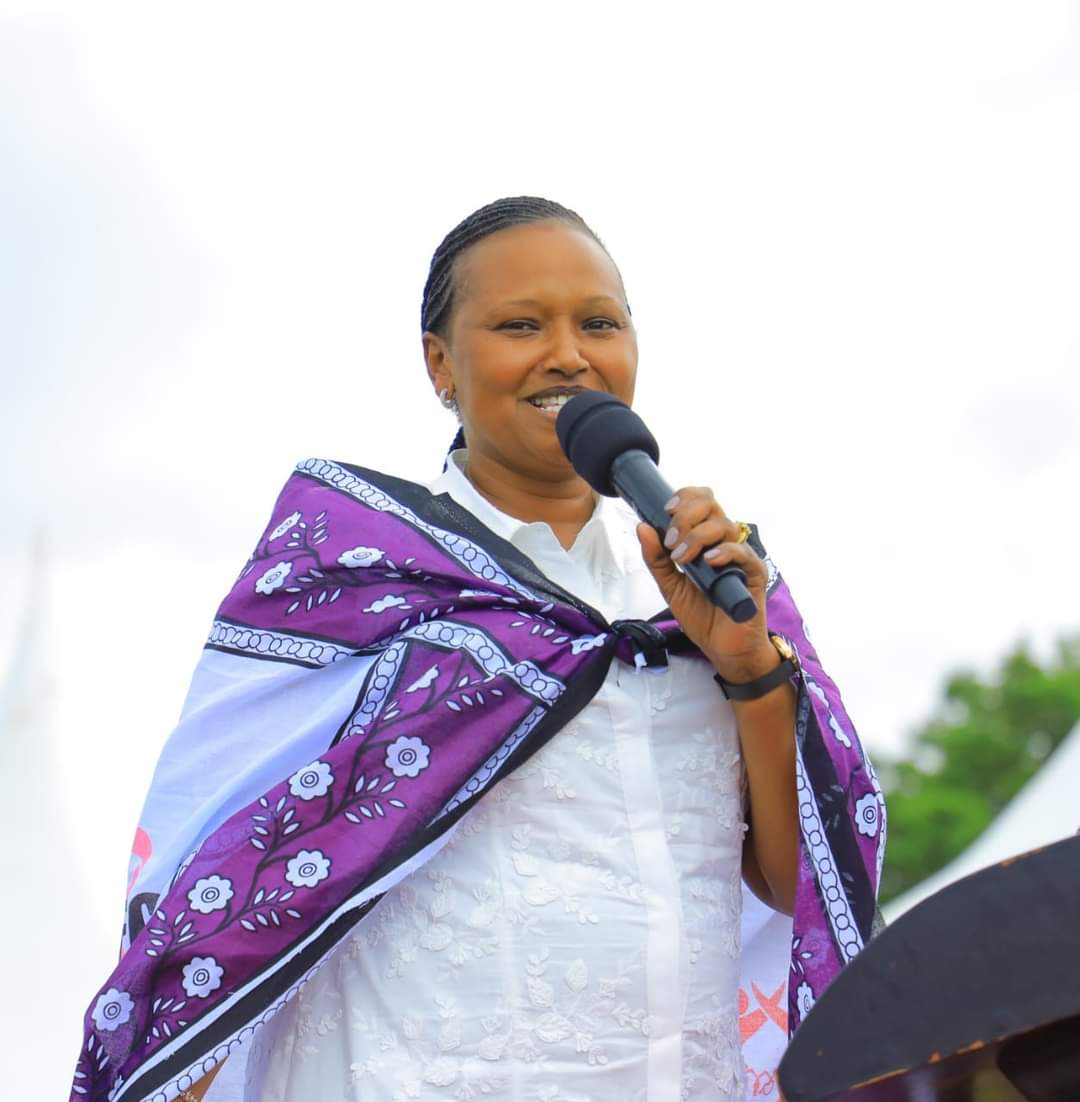
In recent years, femicide—the killing of women and girls due to their gender—has become a glaring issue in Kenya, sparking national debates and urgent calls for action. Behind the grim statistics lie untold stories of heartbreak and shattered dreams, underscoring a deeply rooted societal problem that requires immediate intervention.
Kenya has seen an alarming rise in femicide cases, with victims being killed by intimate partners, strangers, and even family members.
This crisis has prompted over 20 women Members of Parliament (MPs) to issue strong statements condemning femicide, female genital mutilation (FGM), and gender-based violence (GBV).
Root Causes and Social Media’s Role
Speaking under the Kenya Women Parliamentarians Association (KEWOPA) caucus, the MPs highlights how social media is fueling femicide.
According to them, young women often meet strangers online, build quick relationships, and fall prey to individuals with harmful intentions.
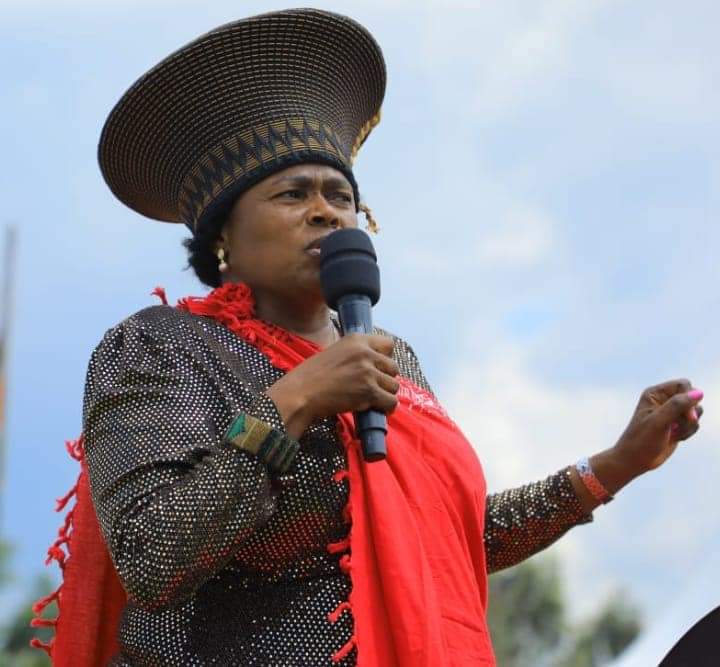
“Many trust too quickly without knowing each other deeply, and this has tragically led to cases of murder,” says KEWOPA Chair Leah Sanakai.
Sanakai emphasizes the need for societal reforms and urged women to exercise caution in their interactions.
“We are losing brilliant, young future leaders to these heinous acts,” she states.
The parliamentarians highlighted how this lack of familiarity and trust in strangers often leads to tragic outcomes.
“This is why we have come out strongly to condemn these acts,” they stated, emphasizing the loss of young, promising future leaders,” says MPs.
Community campaign
Stella Achoki, the Director for CECOME a community-based organization working to end sexual and gender-based violence and promote young women’s leadership in the community are working with the county government in Kisii, to put in place policies that address systemic issues and drivers of sexual violence and foster a culture that values and supports girls’ education.
“Education is the wind beneath girls’ wings, enabling them to fly to new heights providing those with opportunities to soar to greater heights and propelling them towards a future filled with achievements and possibilities,” she says.
Achoki says that there is need to take GBV education to schools and have church get involved in fighting against gender based violence.
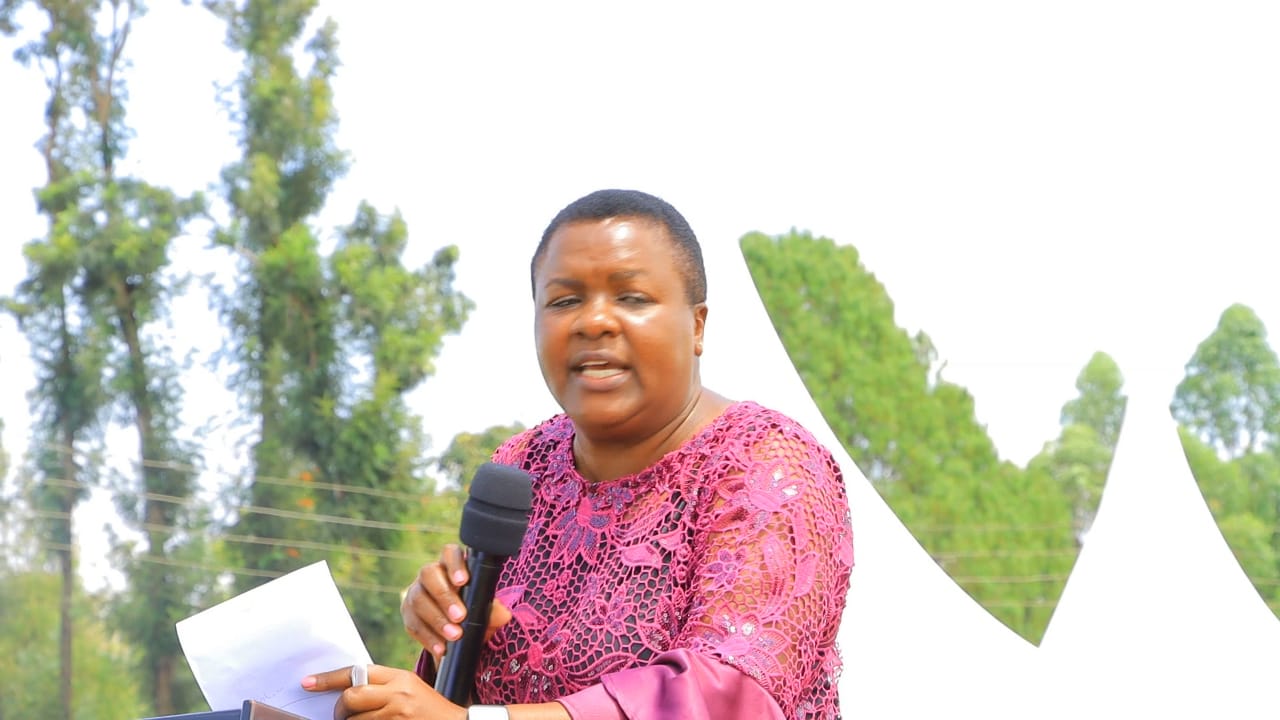
According to African data hub 75% of cases, killings were committed by a person who knew the murdered woman – an intimate partner, relative or friend. Nearly two-thirds of perpetrators were currently or had previously been in an intimate relationship with the victim. Husbands, then boyfriends being the biggest culprits. In only about 15% of cases, a complete stranger killed the woman.
It also states that approximately 80% of homicides take place within the confines of a home. In this context, “home” refers to a shared space between the victim and the perpetrator, which could involve couples cohabiting or situations where either the victim or the suspect frequents the residence.
Rising Statistics and National Call to Action
The Kenya National Bureau of Statistics reported in 2023 that gender-based violence cases had surged by 40% in five years, with femicide making up a significant portion. Police reports revealed over 90 femicide cases in just the past three months, leaving many Kenyans in shock and demanding action.
In Kisii County, during a mentorship program on eradicating FGM, MPs called on the government to declare femicide a national disaster.
Kisii woman rep Dorice Donya Toto calls on the government and law enforcement agencies to bring the perpetrators to justice and create a safer environment for women.
“Let the government to take decisive measures to protect women and girls lives,” she says.

Nyamira Woman Rep Jerusha Momanyi states that says that Femicide, the killing of women and girls because of their gender, has been a persistent issue in Kenya.
“I urge the President to declare femicide a national disaster. Elevating this issue to the highest level of government attention is essential to combat rising violence against women,” she says.
According to UN Women for at least 51,100 women in 2023, this violence escalated to femicide (homicide targeted at women) with over half committed by intimate partners or family members.
The agency championing women’s empowerment, UN Women, points out that femicide are the ultimate evidence that the systems and structures meant to protect women and girls are failing.
Retrogressive Practices and Empowerment
KEWOPA Chair Leah Sanakai condemned retrogressive cultural practices like FGM, noting their role in perpetuating GBV and contributing to tragic outcomes such as unwanted pregnancies and deaths.
“FGM is a harmful practice that violates women’s rights and marginalizes them in society. We need legislative reforms and community engagement to eradicate these injustices,” said Sanakai.
The representative emphasized that these statistics highlight a critical issue requiring urgent and robust government intervention.
Sanakai noted that some retrogressive cultural practices, which subject girls to harmful traditions, have persisted over time. She urged society to abandon such practices in favor of alternative rites of passage and focus on empowering girls to reach their full potential.

Kisii Nominated Senator Essy Okenyuri stresses the importance of empowering girls with knowledge and resources to protect themselves.
She urges the government to introduce a curriculum addressing respect, gender equality, and non-violence.
“Imagine a world where every woman can walk freely without fear of violence,” she said. “Empowering women benefits not only them but also strengthens families and communities.”
Legislative Efforts and National Framework
Bungoma Woman Rep Catherine Wambirianga revealed plans to draft a bill that imposes tough penalties on perpetrators of GBV and femicide.
“Strict laws will act as a deterrent and ensure respect for one another,” she says.
UN Women statistics show that nearly one in three women globally experiences physical or sexual violence in their lifetime, with femicide being the ultimate evidence of systemic failures.
The MPs calls for government funding to support women’s rights organizations and provide resources for survivors.
They also urges church leaders and men to champion the fight against GBV and femicide.
UN Women emphasizes that governments must enact laws to ensure accountability for perpetrators of gender-based violence, particularly through National Action Plans.
A Call to Action
The event marked the beginning of the 16 Days of Activism against Gender-Based Violence, starting November 25.
Elgeyo Marakwet MP Caroline Ng’elechi says that Femicide is not just a women’s issue—it is a societal crisis that demands our immediate attention.
“We must unite to protect women and implement stronger measures to end this violence,” she says
As the activism period unfolds, leaders hope the efforts will not only create awareness but also catalyze long-term solutions to protect Kenya’s women and girls.
The MPs calls on the government to declare femicide a national disaster, stressing the urgency of addressing the escalating violence against women in Kenya.
Similar Posts by The Mt Kenya Times:
- Her pen is your lifeline
- Kampala’s last cathedral
- Xadicha Sulaymonova was the First Uzbek Female Legal Scholar
- The role of youth in modern diplomacy: From passive observers to active global participants
- Mt Kenya Times ePAPER October 3, 2026
About the Author


