Freedom fighters condemn journalist attacks, demand wider recognition of heroes
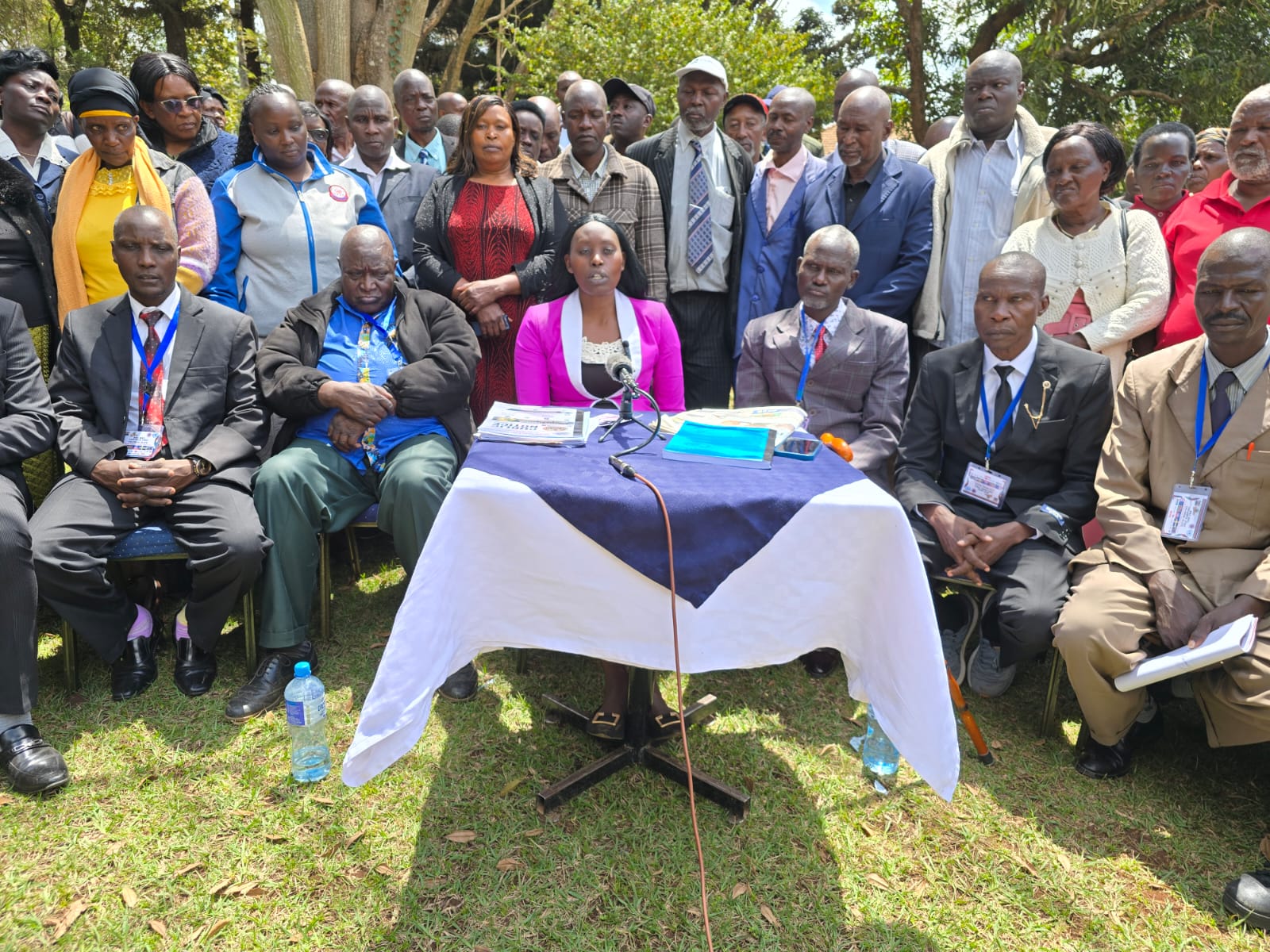
MMV Associates CLG Chief Executive Officer Emmah Kassis addressing the press on Tuesday. Photos/Courtesy.
Veterans and their descendants say press freedom is under threat and Kenya’s liberation history remains dangerously incomplete
By Brian Gitonga
A group of former freedom fighters, descendants of liberation heroes and community elders has condemned the continued harassment, intimidation and abduction of journalists, warning that such actions threaten press freedom and set a dangerous precedent.
Speaking at separate forums convened by MMV Associates CLG Director General James Njuguna Mahuria, the group said journalists must be allowed to carry out their constitutional duties without fear or intimidation.
MMV Associates CLG Chief Executive Officer Emmah Cherotich Kasis and elders from the Pokot community, led by Mzee Julius Mataara, called on government officials and security agencies to stop targeting journalists over their work.
The leaders said press freedom was protected by the Constitution and urged individuals or institutions aggrieved by media reports to pursue lawful mechanisms for addressing their complaints, rather than resorting to threats, harassment or abductions.
They warned that attacks on journalists could undermine democratic accountability and erode gains made in protecting freedom of expression and access to information.
The remarks were made as the Pokot elders gathered to celebrate the nomination of one of their own by the National Heroes Council for national recognition. The elders thanked the council for acknowledging their community’s contribution to the country, saying such honours were important in preserving Kenya’s history and recognising those who had made sacrifices for the nation.
The occasion also gave descendants of freedom fighters an opportunity to renew calls for the government to broaden the process of identifying and honouring participants in Kenya’s independence struggle.
At a meeting held Tuesday at Blue Post Hotel in Thika, Kiambu County, descendants said many veterans and their families had continued to live in poverty for decades after independence. They called for a comprehensive national exercise to identify, document, verify and compensate genuine freedom fighters whose contributions had remained largely unrecognised.
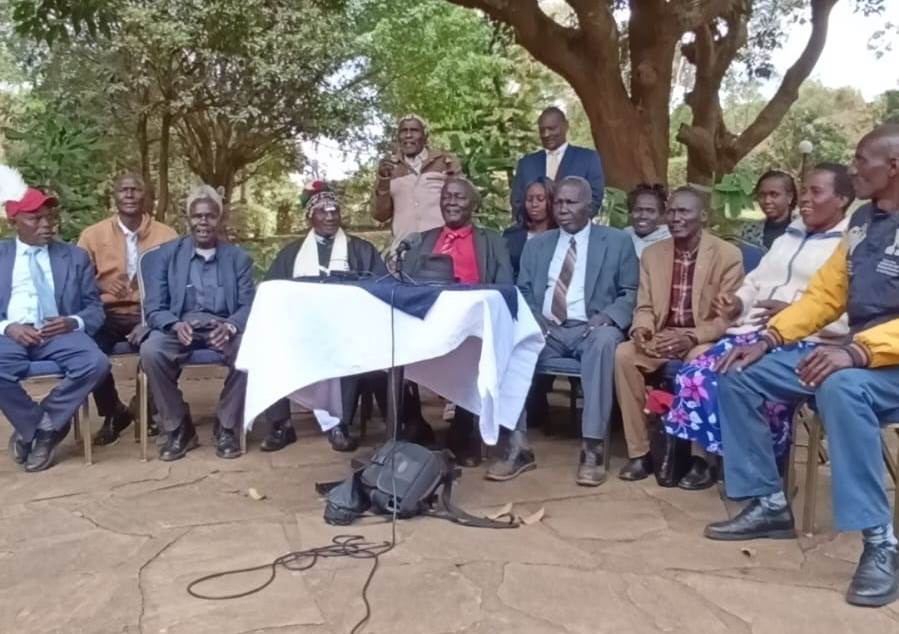
Led by Kasis, Richard Shibiribiri, Jackson Apua, Emma Cherotich, John Okelo and Michael Lemuyan, the descendants said numerous former fighters had sacrificed their livelihoods, property and, in some cases, their lives for the country’s independence but were now struggling to survive. Some surviving veterans, they said, were living in abject poverty, facing homelessness and landlessness.
The hardships had also extended to the families of former fighters, many of whom continued to bear the social and economic consequences of sacrifices made by their parents and grandparents. Some descendants said they had faced difficulties accessing education and other basic opportunities despite their families’ role in Kenya’s liberation.
Their concerns came a day after the National Heroes Council released a list of individuals expected to be recognised at this year’s Mashujaa Day celebrations in October, reigniting debate over the criteria used to identify and honour national heroes.
The descendants argued that recognition should not be confined to individuals whose names had featured prominently in official historical accounts. Thousands of men and women who participated in the independence struggle, they said, had been left out of the country’s formal record and deserved to be identified and honoured.
The group called for an inclusive framework through which surviving freedom fighters and their families could be identified and verified, adding that absence from existing official records should not automatically disqualify an individual where credible historical evidence established their contribution.
They also urged the government to strengthen efforts to document and preserve the history of Kenya’s independence struggle, warning that failure to record the experiences of surviving veterans could result in the permanent loss of important historical accounts as that generation continues to age.
The descendants said Kenya’s liberation history should be treated as national heritage and preserved for future generations. Recognition, they added, should go beyond ceremonial honours to include measures that restore dignity to surviving veterans and provide long-awaited closure to families that had carried the burden of the liberation struggle for generations.
Genuine freedom fighters, they said, deserved to be recognised while still alive — not remembered only after their deaths.
Similar Posts by The Mt Kenya Times:
- Mt Kenya Times ePAPER October 20, 2026
- Ruto rallies Kalenjin elders in Rift Valley unity push
- Sonko bid to nullify impeachment judgments fast-tracked in court
- Arrest the sponsors, not just the foot soldiers, Kalonzo tells police
- Police and politics shut down Kitale’s busiest market
About the Author