From Allies To Adversaries? Trump’s Policy Shift And Zelensky’s Dilemma
 The Mt Kenya Times
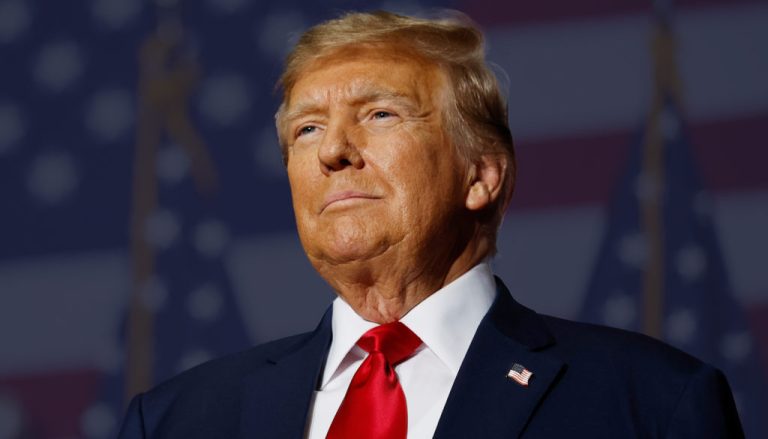
President Donald Trump and Ukrainian President Volodymyr Zelensky
By: Silas Mwaudasheni Nande
Worth Noting:
- When Donald Trump took office in 2017, the relationship between the U.S. and Ukraine became more uncertain compared to the Obama era. While the Trump administration did provide military aid to Ukraine, including lethal weapons like Javelin anti-tank missiles, Trump’s approach to Ukraine was often transactional and politically charged.
- The most significant strain in relations came in 2019 when Trump was accused of pressuring Ukrainian President Volodymyr Zelensky to investigate Joe Biden and his son, Hunter, in exchange for military aid—a controversy that led to Trump’s first impeachment. This episode created diplomatic tension and raised concerns in Kyiv about the reliability of U.S. support.
- Although Ukraine continued receiving American assistance, Trump’s admiration for Russian President Vladimir Putin and his inconsistent stance on Ukraine made the relationship more unpredictable compared to the clear, pro-Ukraine policies of previous and later administrations.
President Donald Trump’s recent criticisms of Ukrainian President Volodymyr Zelensky have intensified, particularly concerning the ongoing war between Russia and Ukraine. These critiques are rooted in a complex history of interactions and evolving diplomatic tensions between the two leaders.
Volodymyr Zelensky and Joe Biden did not have a direct relationship before Donald Trump took office, as Zelensky only became Ukraine’s president in 2019, while Biden had already left his position as U.S. vice president in 2017. However, during Biden’s tenure as vice president under Barack Obama, he played a key role in U.S.-Ukraine relations, particularly in supporting Ukraine against Russian aggression following the 2014 annexation of Crimea. Biden worked closely with Zelensky’s predecessor, Petro Poroshenko, and was a strong advocate for anti-corruption reforms in Ukraine. While there was no personal relationship between Zelensky and Biden before Trump’s presidency, their broader political interests aligned, especially regarding U.S. support for Ukraine’s sovereignty and democratic reforms.
As president, Joe Biden has maintained a strong but complex relationship with Ukrainian President Volodymyr Zelensky, particularly in the wake of Russia’s full-scale invasion of Ukraine in February 2022. Biden has been a key supporter of Ukraine, providing significant military, financial, and humanitarian aid to help the country defend itself against Russian aggression. He has also rallied Western allies to impose sanctions on Russia and bolster NATO’s presence in Eastern Europe. However, tensions have occasionally surfaced, particularly regarding Ukraine’s requests for more advanced weaponry, NATO membership, and the speed of U.S. aid deliveries. Despite these challenges, Biden and Zelensky have maintained a largely cooperative partnership, with both leaders emphasizing their commitment to Ukraine’s sovereignty and security.
When Donald Trump took office in 2017, the relationship between the U.S. and Ukraine became more uncertain compared to the Obama era. While the Trump administration did provide military aid to Ukraine, including lethal weapons like Javelin anti-tank missiles, Trump’s approach to Ukraine was often transactional and politically charged. The most significant strain in relations came in 2019 when Trump was accused of pressuring Ukrainian President Volodymyr Zelensky to investigate Joe Biden and his son, Hunter, in exchange for military aid—a controversy that led to Trump’s first impeachment. This episode created diplomatic tension and raised concerns in Kyiv about the reliability of U.S. support. Although Ukraine continued receiving American assistance, Trump’s admiration for Russian President Vladimir Putin and his inconsistent stance on Ukraine made the relationship more unpredictable compared to the clear, pro-Ukraine policies of previous and later administrations.
Upon President Donald Trump’s return to office in January 2025, U.S.-Ukraine relations experienced significant shifts. The Trump administration adopted a more transactional approach, proposing a controversial deal in which the U.S. would acquire 50% of Ukraine’s mineral and oil resources in exchange for continued military aid—a proposition Ukrainian President Volodymyr Zelenskyy resisted, citing inadequate security guarantees for Ukraine.
Additionally, the U.S. initiated peace negotiations with Russia without Ukrainian representation, leading to concerns in Kyiv about being sidelined in decisions affecting its sovereignty. These developments, coupled with internal divisions within the Trump administration over policy toward Ukraine, have not only introduced complexities and uncertainties into the bilateral relationship between the US and Ukraine but have also angered the Ukrainians and they are losing trust and hope in the US and Trump himself.
Trump’s Criticisms of Zelensky
- Labeling Zelensky as a “Dictator”
In recent statements, President Trump referred to President Zelensky as a “dictator without elections. This characterization is factually inaccurate as per some analysts as Ukraine operates as a democratic nation, and while elections have been postponed due to martial law amid the ongoing conflict, this suspension is constitutionally sanctioned to ensure national security. Trump’s assertion appears to echo Russian propaganda, which seeks to delegitimize Ukraine’s leadership.
- Blaming Ukraine for the War
President Trump suggested that Ukraine could have avoided the war by making a deal with Russia, stating, “You should have never started it. You could have made a deal.”
This perspective overlooks the fact that Russia initiated the invasion of Ukraine in 2022, an act widely condemned by the international community. Implying that Ukraine is responsible for the conflict undermines the nation’s sovereignty and resilience in defending its territorial integrity.
- Pressuring Ukraine Over Mineral Rights
The Trump administration has exerted pressure on Ukraine to grant the U.S. significant stakes in its mineral resources as compensation for military aid. Reports indicate that the U.S. demanded ownership of 50% of certain Ukrainian natural resources, a proposal President Zelensky rejected due to concerns over national sovereignty and insufficient security guarantees.
This demand can be perceived as an attempt to capitalize on Ukraine’s vulnerable position during wartime, potentially exploiting the nation’s need for support. Such actions could strain diplomatic relations and may be viewed as undermining Ukraine’s autonomy over its natural resources.
Trump Demands $500 Billions from Zelensky
Recently, various newspapers and media outlets reported a contract that suggests that Donald Trump’s team is pursuing a transactional approach to US-Ukraine relations, particularly regarding the costs of military aid and post-war reconstruction. The key elements of the contract—demanding a $500 billion “payback” in the form of control over critical assets—raise several significant implications as follows:
- Economic Leverage Rather Than Punishment
Rather than outright “punishment,” Trump’s demands appear to be a strategic move to secure US economic and geopolitical interests. His approach aligns with his broader “America First” philosophy, where foreign aid and military support are seen as investments that should yield returns. The requirement that Ukraine essentially compensate the US through control of its resources suggests that the Trump administration views Ukraine’s war effort not just as a moral obligation but as a financial transaction.
In fact wherever US opt to help in aid aims to invest and get something in return on their terms and conditions – the same act Trump is doing to Ukraine, and Ukraine did not see this coming. Ukraine has always looked at US as an ally but US has always looked at Ukraine as an economic opportunity.
- A Shift From Traditional US Support
This proposal marks a stark shift from previous US policies, which primarily framed military aid to Ukraine as a means of countering Russian aggression and defending democracy. If these terms are accurate, they suggest that Trump’s team sees Ukraine’s recovery as an opportunity for economic influence rather than a purely security-based commitment. The proposed “joint investment fund” could be interpreted as a way for the US to maintain long-term control over Ukraine’s economy.
- Implications of Economic Control
The document’s description as “economic colonization in legal perpetuity” is particularly concerning. It suggests that the proposed repayment would lock Ukraine into a long-term dependency on the US, potentially limiting its sovereignty over key industries and resources. This would contradict past US messaging about supporting Ukraine’s independence and post-war recovery that has been the case in Biden administration.
- Political and Diplomatic Repercussions
Ukraine’s Reaction: The reported panic in Kyiv suggests that these demands were unexpected and seen as overly burdensome. If Ukraine perceives these terms as exploitative, it may strain relations with the US.
Russia’s Narrative: Moscow could exploit this situation to argue that Ukraine is merely a pawn of Western powers, reinforcing its justification for the invasion.
European Concerns: European allies of Ukraine may also be alarmed if they see the US prioritizing economic gain over collective security, potentially leading to a realignment in Western support strategies.
Trump Presses a Step-Down Button for Zelensky
If the reported contract is accurate, it could indeed put President Zelensky in an extremely difficult position, which might indirectly pressure him to step down. Here’s how:
- Undermining Zelensky’s Authority
If the US is demanding an economic arrangement perceived as exploitative, it places Zelensky in a political crisis. Accepting such terms could make him appear weak and compromise his legitimacy among Ukrainians, while rejecting them could strain relations with a key ally. Either outcome could erode his domestic and international standing and credibility.
- Economic Strangulation as Political Pressure
By linking US military aid to a $500 billion economic “payback,” Trump’s team is effectively shifting the burden of war financing onto Ukraine. If Zelensky cannot secure a more favorable deal, he may be blamed for putting Ukraine in an unsustainable financial position, further diminishing his public support.
- Encouraging a Leadership Change Favorable to Trump
Trump has previously shown a preference for strongman-style leadership and transactional diplomacy. If Zelensky refuses these terms, Trump may favor a leader more willing to comply with US economic demands. This could lead to behind-the-scenes maneuvering to back alternative candidates in Ukraine’s next election or even direct pressure for a change in leadership.
- Creating Internal Instability
If Zelensky resists the deal, internal political opposition; either from pro-Western or nationalist factions; could intensify. The economic burden, combined with war fatigue, could create divisions within Ukraine’s government, making his leadership untenable.
EU Reactions
European leaders have expressed significant concern over President Donald Trump’s recent demands that Ukraine provide $500 billion in natural resources as repayment for U.S. military aid. This approach has been perceived as a form of “appeasement” towards Russia, with EU officials criticizing the exclusion of European and Ukrainian representatives from negotiations.
In response to these developments, EU leaders are scheduled to convene on March 6 to discuss the situation in Ukraine and broader European defense strategies. This meeting aims to address the implications of the U.S. stance and to reinforce the EU’s commitment to supporting Ukraine amidst ongoing tensions.
Additionally, European nations are reassessing their defense policies, recognizing the need for increased military spending and greater autonomy in security matters. This shift is driven by concerns over the reliability of U.S. support under the current administration and the desire to present a united front against potential aggressor.
Overall, the EU’s reaction underscores a commitment to Ukraine’s sovereignty and a cautious approach to U.S. policies that may undermine regional stability.
Is Trump Scared of Putin?
Trump has historically expressed admiration for Russian President Vladimir Putin and often taken a less confrontational stance toward Russia compared to other U.S. leaders. His foreign policy has been more transactional, prioritizing deals and negotiations over direct confrontations. If Trump is pressuring Ukraine in his current term, it could stem from multiple factors:
Desire to Avoid Direct Conflict with Russia – Trump has consistently opposed deep U.S. military involvement overseas, preferring diplomatic or economic approaches. He may believe that pushing Ukraine into concessions, rather than continuing full-scale military support, could prevent escalation with Russia.
Transactional Approach to Foreign Policy – Trump often treats international relations as business deals. His proposal for the U.S. to acquire a stake in Ukraine’s mineral resources in exchange for aid suggests he wants tangible returns rather than open-ended military support.
Strained NATO Relations – Trump has been critical of NATO and may be less committed to the alliance’s strong backing of Ukraine. By pressuring Ukraine, he could be signaling a shift toward a more isolationist U.S. stance on European security.
Influence of Pro-Russian Figures – Trump has surrounded himself with some advisers who have advocated for de-escalation with Russia, and his approach could reflect their influence.
While it is unclear if he is outright “scared” of clashing with Russia, his actions suggest he is more inclined to negotiate or pressure Ukraine into a settlement rather than risk prolonged U.S. involvement against Russian aggression.
How the US-Ukraine Tension Affects the Global Geopolitics
Trump’s approach to Ukraine and Russia has significant geopolitical implications, affecting global power dynamics, U.S. alliances, and the broader international order. Here’s how:
1. Weakening Western Unity on Ukraine
Under Biden, the U.S. played a leading role in rallying NATO and the EU to support Ukraine. If Trump pressures Ukraine into concessions, it could fracture Western unity, as European allies like Germany, France, and the UK may disagree with a potential peace deal that benefits Russia. This division could weaken NATO’s stance and embolden Russia.
2. Strengthening Russia’s Position
If Trump withdraws or reduces U.S. military aid to Ukraine, it could tilt the balance of power in Russia’s favor. Putin might see this as an opportunity to push deeper into Ukrainian territory or negotiate a settlement that favors Russia’s territorial claims. This could set a dangerous precedent for other conflicts, where military aggression is rewarded rather than deterred.
3. Shift Toward U.S. Isolationism
Trump’s reluctance to confront Russia aligns with his broader “America First” foreign policy, which prioritizes U.S. interests over global leadership. If Trump distances the U.S. from Ukraine and NATO commitments, it could erode confidence in American security guarantees, particularly among U.S. allies in Eastern Europe, Taiwan, and the Middle East.
4. China Watching Closely
China, which has its own territorial ambitions over Taiwan, is closely observing how the U.S. handles Ukraine. If Trump forces Ukraine into a disadvantageous deal, Beijing might see it as a sign that the U.S. lacks the political will to defend Taiwan, potentially accelerating its plans for military action.
5. Economic & Energy Consequences
A Trump-led U.S. shift in Ukraine policy could disrupt global energy markets, especially in Europe, which relies on stable energy supplies amid the conflict. It could also affect U.S. defense industries that have benefitted from arms sales to Ukraine. If Russia strengthens its control over Ukrainian resources, it could use them as leverage over European economies.
6. Encouraging Other Authoritarian Regimes
If Russia successfully pressures Ukraine with limited resistance from the U.S., other authoritarian leaders—such as North Korea’s Kim Jong-un or Iran’s Supreme Leader—may feel emboldened to challenge Western-backed governments or expand their influence through military force.
7. Potential Resistance from Congress & U.S. Allies
Even if Trump wants to pressure Ukraine, he may face pushback from Congress, including members of his own party who support continued aid to Ukraine. Additionally, U.S. allies in Europe and Asia could take steps to compensate for any reduction in American leadership by increasing their own defense spending and strategic independence.
How Trump’s Approach to Ukraine & Russia Affects African Nations, Including Namibia
The shifts in U.S. foreign policy under Trump, particularly regarding Ukraine and Russia, will have ripple effects across Africa, influencing diplomatic relations, economic stability, security, and resource dynamics. Here’s how:
1. Strengthening Russian Influence in Africa
If Trump reduces U.S. support for Ukraine and takes a less confrontational stance on Russia, Moscow could redirect its geopolitical focus toward Africa. Russia has already expanded its presence on the continent through:
- Wagner Group operations in countries like Mali, Sudan, and the Central African Republic (CAR).
- Arms sales and military partnerships with African governments.
- Energy and mining deals, particularly in countries rich in natural resources.
For Namibia and other African nations, this means Russia could strengthen its economic and military ties with governments that align with its interests, potentially influencing policy decisions.
2. Reduced U.S. Engagement with Africa
Trump has historically shown less interest in Africa, compared to previous administrations. If his second term follows a similar trend:
- S. aid and investments could decrease, affecting infrastructure, education, and health programs in countries reliant on American support.
- Less diplomatic engagement may leave a gap that China and Russia will eagerly fill.
For Namibia, which benefits from U.S. partnerships in areas like education, governance, and trade, this could mean fewer development programs and reduced diplomatic attention.
3. Impact on Namibia’s Uranium and Energy Sector
Namibia is one of the world’s largest uranium producers, and global energy markets are directly affected by geopolitical instability. If the U.S. prioritizes energy independence and isolationist policies:
- European and U.S. companies might scale back investments in Namibia’s mining sector.
- Russia or China could increase their stakes in Namibian uranium, giving them greater influence over the global nuclear energy market.
- A potential rise in oil and gas prices (due to prolonged instability in Ukraine) could impact Namibia’s energy imports and inflation.
4. Food Security & Agricultural Implications
The Ukraine-Russia war has already disrupted Africa’s food supply, as many countries rely on Ukrainian and Russian wheat, maize, and fertilizers. If Trump pressures Ukraine into a deal that favors Russia:
- Ukraine’s grain exports could further decline, leading to food shortages and higher prices in African markets.
- Namibia, while not as dependent on grain imports as some other African nations, could still experience increased food prices, affecting the cost of living.
5. Potential Shift in Namibia’s Foreign Policy
Namibia has historically maintained a non-aligned stance, engaging with both Western and Eastern powers. If U.S. influence wanes under Trump:
- Namibia might deepen its relations with China and Russia, who could present themselves as more stable partners.
- The Namibian government may be pressured to take sides in international forums, such as the United Nations, as the global divide between the West and the East grows.
Namibia’s stance on global governance, human rights, and military cooperation could shift depending on how global alliances evolve under Trump’s leadership.
6. Strengthening China’s Role in Africa
If Trump’s policies weaken U.S. engagement in Africa, China will likely step in to fill the vacuum. This could mean:
- Increased Chinese infrastructure projects in Namibia and other African nations.
- More African countries relying on Chinese loans, deepening economic dependencies.
- Stronger Chinese military presence in Africa, particularly through bases like the one in Djibouti.
For Namibia, this could result in greater economic reliance on China and potentially less negotiating power in trade and investment agreements.
A More Uncertain Future for Namibia & Africa
If Trump reduces support for Ukraine and focuses less on Africa, Russia and China will strengthen their positions on the continent, reshaping political and economic dynamics. Namibia, like many African nations, will need to navigate this shifting global order carefully to:
- Protect its economic interests, particularly in energy, agriculture, and trade.
- Maintain diplomatic independence, avoiding being drawn too deeply into either U.S.-China or U.S.-Russia conflicts.
- Ensure food and energy security, especially if global supply chains become more unstable.
Conclusion
While Trump is not directly calling for Zelensky’s resignation, the economic and political pressure created by this deal could make it nearly impossible for him to continue governing effectively. If Ukraine’s leadership changes, it could result in a government more aligned with Trump’s vision of post-war Ukraine—one that prioritizes American economic interests.
Trump’s reported demands signal a fundamental shift in the US-Ukraine relationship, prioritizing economic returns over unconditional military aid. While this does not amount to direct punishment, it significantly alters the power dynamic, making Ukraine more economically dependent on the US. If these conditions are enforced, Ukraine could face significant challenges in maintaining full control over its post-war reconstruction and economic sovereignty.
President Trump’s criticisms of President Zelensky, including labeling him a “dictator,” blaming Ukraine for the war, and pressuring for mineral rights, reflect a contentious and complex relationship. These statements not only misrepresent the realities of Ukraine’s democratic governance and the origins of the conflict but also risk further straining diplomatic relations during a critical period for Ukraine’s sovereignty and regional stability.
Trump’s cautious approach toward Russia, combined with pressure on Ukraine, could reshape the global order by weakening Western unity, emboldening authoritarian regimes, and creating power vacuums that China, Russia, and other rivals might exploit. While it may reduce U.S. military commitments in the short term, it risks long-term instability that could eventually require deeper U.S. involvement in future crises.
Similar Posts by The Mt Kenya Times:
- Political alliances intensify ahead of Kenya’s 2027 elections
- The pressure to make it before thirty
- A rich man without generosity is just a poor man with money
- The two-minute switch: How electric boda bodas are reshaping Kenya’s streets
- University lecturers’ strike cripples public institutions across Kenya
About the Author