Erkinboyeva Hulkar Anvarbek

Key words: Gender equality, woman, law, social, person, country, UN General Assembly.
Gender equality and gender equality, more specifically: equality between men and women, is a concept that implies the achievement of equal rights between men and women in the family and society and other legal relations. According to some researchers, gender equality is the next stage of socio-sexual relations after the patriarchal system.
The principle of gender equality is to study and eliminate all social barriers that prevent the emergence of a person as a person, as well as to create equal social opportunities for realizing the personality of men and women in all areas of life. Uzbekistan began to participate in the list of gender equality indicators from 2019.
According to the status of 2019, the gender equality indicator of Uzbekistan took the 62nd place among 189 countries on the list. According to experts of the United Nations Population Fund (UNFPA), 29 women out of every 100,000 in Uzbekistan die due to gender inequality, and the birth rate for every thousand teenage girls aged 15-19 is 23.8. Along with Uzbekistan, Costa Rica and Uruguay are also on the first place with an index of 0.288. Kazakhstan ranks 44th, Kyrgyzstan 82nd, and Tajikistan 70th among the Central Asian countries, and Turkmenistan is not included in this list.
On September 2, 2019, the Law of the Republic of Uzbekistan No. 562 “On guarantees of equal rights and opportunities for women and men” was adopted in Uzbekistan. The Gender Equality Commission has been operating in Uzbekistan since 2019. The Chairperson of the Senate of the Oliy Majlis, Tanzila Narbaeva, is the Chairperson of the Gender Equality Commission of the Republic of Uzbekistan.
The Nordic Institute for Gender Equality, which finances equal opportunities projects in Norway (founded in 1970 with the support of the Nordic Council of Ministers), in 2015, was recognized by the United Nations Organization for Gender Equality and Women’s Rights in Pakistan. a report was prepared by the extension department.
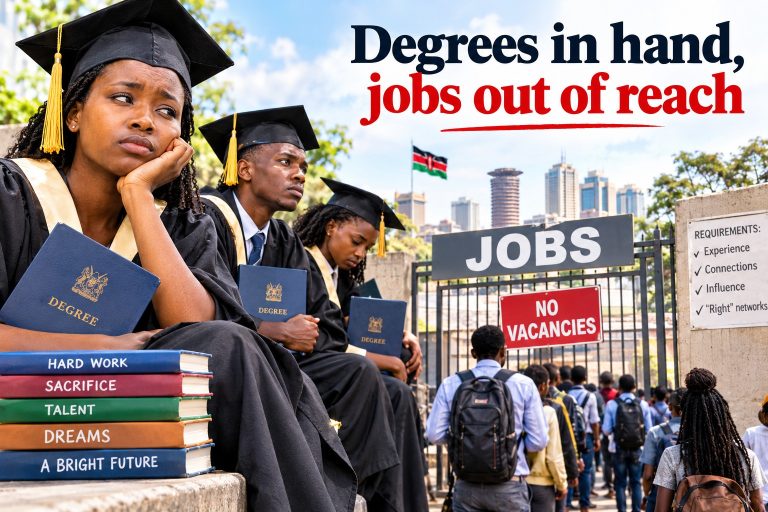
This report is known as “UN-Women”. One of the central issues of the report was the issue of women’s employment. According to the authors of the report, despite the fact that the number of women with higher education has reached a historical maximum, their employment situation looks sad. Young women graduating from universities with honors degrees cannot find work, despite the fact that they are increasingly outperforming young men, especially in subjects such as medicine and mathematics.
Even those who manage to find a job do not always feel confident due to social insecurity. This issue is especially relevant in developing countries, where 75 percent of women’s jobs are not protected by the employer’s legal obligations.
As noted in the report, the situation of gender equality in developed countries is not far from the ideal level. For example, in Sweden and France, the difference in women’s salaries compared to men is 31% less, in Germany it is 49% less, and in Turkey it is 75%.
According to the authors of the report, the main measures to combat gender inequality should be the right to provide women with good jobs around the world. According to the UN, the average wage gap between men and women is 37.8% (this figure varies greatly by country). — Varies from 18.1% in Great Britain to 59.6% in Angola.
Erkinboyeva Hulkar Anvarbek qizi Uzbekistan
Similar Posts by The Mt Kenya Times:
- AI Curse or boon: The Future of Intelligence: Artificial or Emotional?
- Dr. Ekrah Ndung’u wins TVET advocacy award after 12 years
- Mt Kenya Times ePAPER October 17-18, 2026
- Ruto bets billions on Kerio Valley — with one eye on 2027
- Ruto’s health ministry kills Murang’a’s digital hospitals
About the Author