Greenpeace Africa Urges Real Climate Solutions Over Dubious Carbon Market Schemes
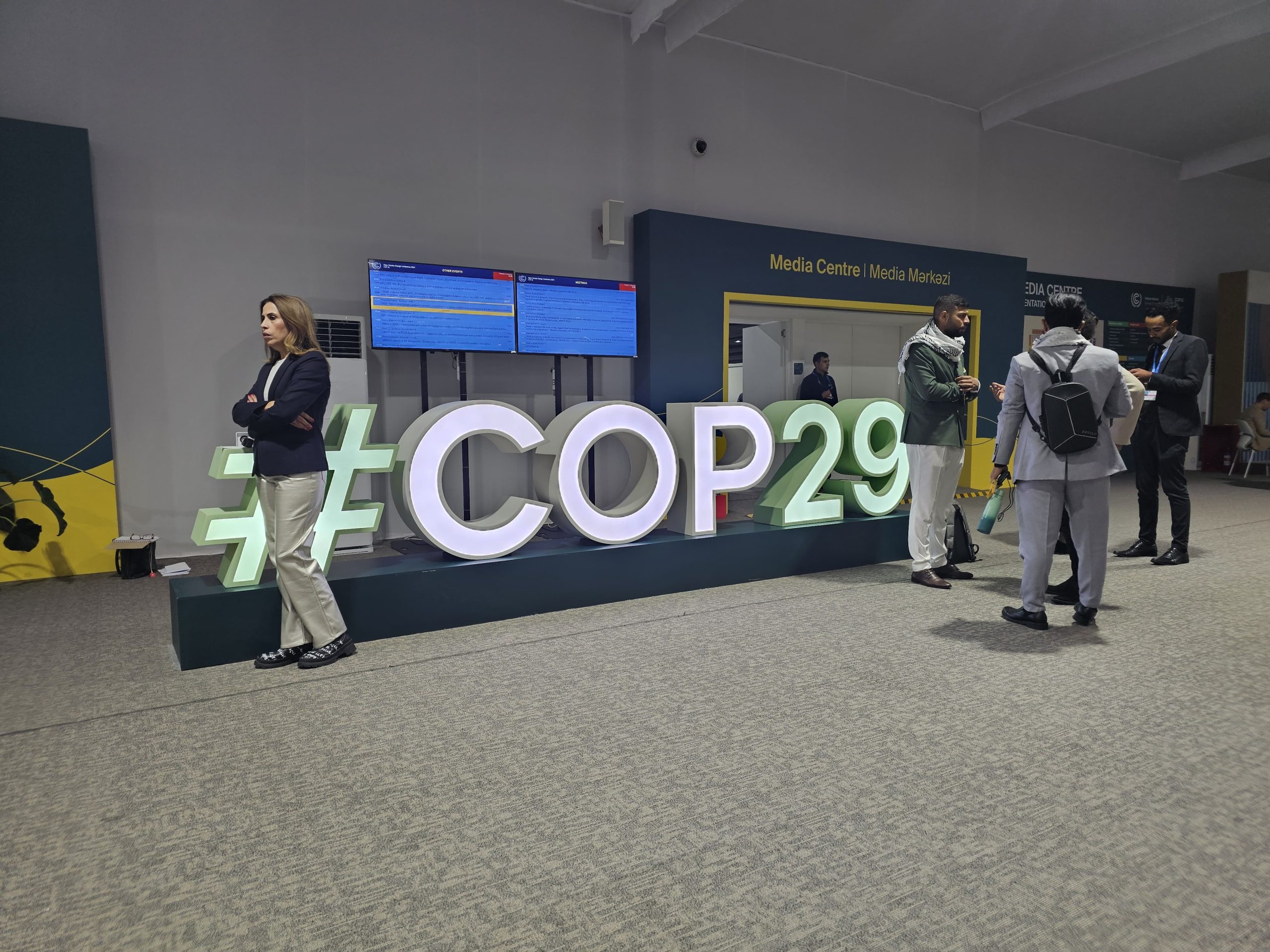
COP29 in Baku.
By Aoma Keziah,
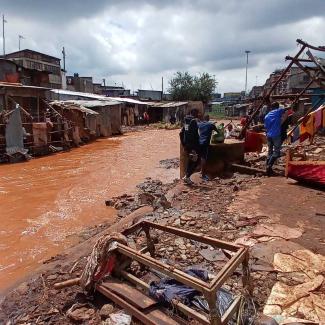
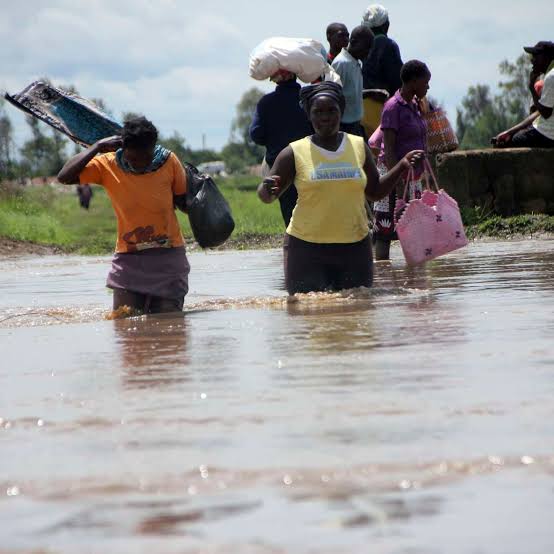
As COP29 discussions continue in Baku, Greenpeace Africa strongly opposes the push for unreliable market-based mechanisms as a solution to the climate crisis, warning that they undermine real climate action to address the growing crisis facing African communities.

Fred Njehu, Pan-African Political Strategist for Greenpeace Africa, said that carbon markets are perpetuating a dangerous form of carbon colonialism in Africa.
“We’ve witnessed widespread resource exploitation and land grabs across the continent, where local communities and indigenous people are displaced by offset projects that primarily benefit corporations from the Global North. This system allows wealthy nations to continue polluting while outsourcing their climate responsibilities to Africa, effectively turning our lands into carbon dumps while failing to address the root causes of the climate crisis.” He remarked.
Njehu further highlighted that Instead of these flawed market mechanisms, they propose making polluters pay for the damage they have caused through the Climate Damages Tax. He also propose that the New Quantified Goal on Climate Finance includes issues of adaptation, loss and damage that are a priority to the African continent.
“ Investing in renewable energy, enhancing climate adaptation and resilience, and supporting community-led conservation efforts are more effective and equitable solutions. These approaches not only reduce GHG emissions at the source but also empower local communities to lead in the fight against climate change.” He continued to say.
Murtala Touray, Program Director at Greenpeace Africa, also responded to recent comments that Fossil Fuels were a gift from God.
“Our planet is the greatest gift from God. Currently, our planet is in crisis that requires global efforts. Countries looking inward to protect national interests will only aggravate the crisis, leading to increasingly devastating consequences for us all.” He remarked.
With COP29 on the horizon, Greenpeace Africa hopes to spark a critical conversation about prioritizing policies that directly reduce emissions and strengthen climate resilience across the continent.
Similar Posts by Aoma Keziah:
- Nationwide Youth Business Drive Enters Last Lap With New Nyota Trainings
- Green Light From Washington Sets G42 On Fast Track to Build Region’s Most Powerful AI Network
- Safina Eyes Kariobangi North Seat in Intensified Push Before Poll Day
- KEBS Opens Talks With Manufacturers On New Standards Levy Order 2025
- Kenya, Uganda And South Sudan Chart Way Forward On East Africa Rail Corridor
About the Author


 The Mt Kenya Times