Harnessing The Winds Of Change: Climate Resilience In East Africa’s Uncertain Future
 The Mt Kenya Times
By: Midmark Onsongo
Worth Noting:
- The impacts of climate change on agriculture in East Africa cannot be overstated. Agriculture is the backbone of the region’s economy, employing about 70% of the population and contributing significantly to GDP. However, the sector is highly vulnerable to climate variability.
- Changes in rainfall patterns, coupled with rising temperatures, are already reducing crop yields and threatening food security. For example, maize production, a staple crop in the region, is expected to decline by up to 20% by 2050 due to climate-induced stresses. Similarly, coffee, one of East Africa’s key export commodities, is under threat, with suitable growing areas projected to shrink significantly by mid-century.
- These changes not only jeopardize the livelihoods of millions of smallholder farmers but also have broader implications for national economies and global food supply chains.
It was once said, “When the winds of change blow, some build walls while others build windmills.” This ancient wisdom, attributed to a Chinese proverb, resonates profoundly with the unfolding reality of climate change in East Africa. As the region grapples with the accelerating impacts of a warming planet, the metaphorical winds of change are no longer distant or abstract; they are a present and pressing force, shaping the very fabric of life in this part of the world. The question is, will East Africa build walls to shield itself from these changes, or will it harness the winds to create new opportunities for resilience and adaptation?
East Africa is increasingly becoming a global hotspot for climate change, with its delicate ecological systems and socio-economic structures facing severe disruptions. Recent data underscores the gravity of the situation: the region has warmed by approximately 1.2°C since the late 19th century, and projections suggest that temperatures could rise by another 1.5°C to 3°C by the end of the century if global emissions continue unabated. This warming trend has significant implications for a region that relies heavily on rain-fed agriculture and pastoralism, both of which are highly sensitive to changes in temperature and precipitation patterns.
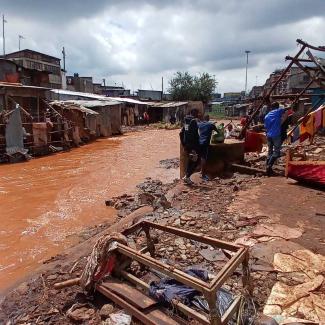
One of the most visible signs of climate change in East Africa is the increasing frequency and severity of extreme weather events. The region has witnessed a rise in prolonged droughts, erratic rainfall, and devastating floods. The 2019-2021 drought, for instance, affected over 20 million people across Ethiopia, Somalia, and Kenya, leading to widespread food insecurity, displacement, and loss of livelihoods. The drought was followed by unprecedented floods in 2020, which displaced hundreds of thousands and caused significant damage to infrastructure and homes. These events are not isolated incidents but are becoming the new norm, with climate models predicting that such extremes will become more frequent and intense in the coming decades.
The impacts of climate change on agriculture in East Africa cannot be overstated. Agriculture is the backbone of the region’s economy, employing about 70% of the population and contributing significantly to GDP. However, the sector is highly vulnerable to climate variability. Changes in rainfall patterns, coupled with rising temperatures, are already reducing crop yields and threatening food security. For example, maize production, a staple crop in the region, is expected to decline by up to 20% by 2050 due to climate-induced stresses. Similarly, coffee, one of East Africa’s key export commodities, is under threat, with suitable growing areas projected to shrink significantly by mid-century. These changes not only jeopardize the livelihoods of millions of smallholder farmers but also have broader implications for national economies and global food supply chains.
Water resources, another critical component of East Africa’s natural capital, are also under increasing stress due to climate change. The region’s rivers, lakes, and groundwater systems are vital for drinking water, irrigation, and hydroelectric power generation. However, rising temperatures and changing precipitation patterns are leading to altered hydrological cycles, with some areas experiencing severe water shortages while others face increased flood risks. Lake Victoria, the largest freshwater lake in Africa and a lifeline for millions, has seen fluctuating water levels that threaten fisheries, transportation, and water supply systems. In the Horn of Africa, groundwater resources are being depleted at an alarming rate, exacerbating the challenges of water access in already arid and semi-arid regions.
Biodiversity, too, is feeling the strain of a changing climate. East Africa is home to some of the world’s most iconic wildlife, including elephants, lions, and rhinoceroses, as well as unique ecosystems such as the savannas of the Serengeti and the montane forests of the Ethiopian Highlands. These ecosystems and species are increasingly under threat as rising temperatures and shifting rainfall patterns disrupt habitats and food sources. For instance, the Great Migration of wildebeest and zebras, one of the most spectacular natural events on Earth, is being affected by changing rainfall patterns, which alter the timing and availability of grazing lands. Additionally, coral reefs along the East African coast are suffering from bleaching events due to rising sea temperatures, threatening marine biodiversity and the livelihoods of coastal communities.
Human health is another critical area where climate change is making its mark. The region is experiencing an increase in climate-sensitive diseases, such as malaria, dengue fever, and cholera. Warmer temperatures and changes in rainfall patterns are expanding the range of disease vectors, such as mosquitoes, into previously unaffected areas, leading to higher incidence rates. Furthermore, the increased frequency of extreme weather events, such as floods and droughts, is exacerbating the spread of waterborne diseases and malnutrition, particularly among vulnerable populations like children and the elderly.
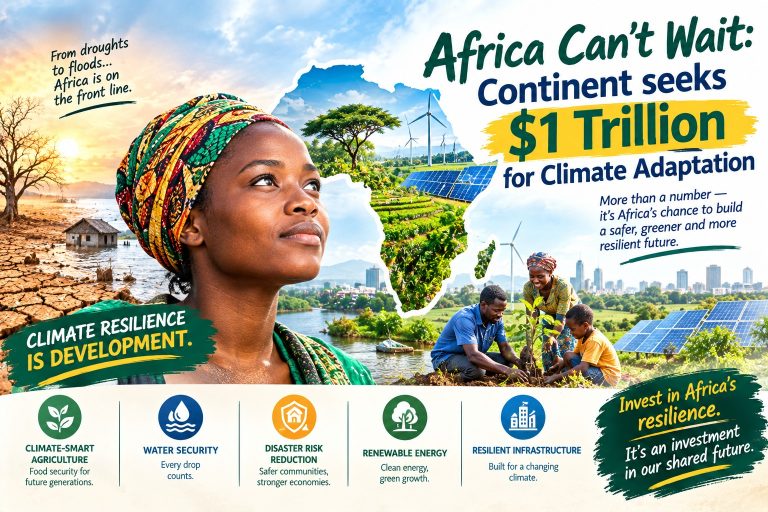
In the face of these challenges, East Africa is not standing idly by. Countries in the region are increasingly recognizing the need to adapt to the changing climate and are taking steps to build resilience. For example, Ethiopia’s Green Legacy Initiative, which aims to plant 20 billion trees by 2024, is one of the world’s largest reforestation efforts and seeks to combat deforestation, land degradation, and climate change. Similarly, Kenya’s Vision 2030 development blueprint includes ambitious targets for increasing renewable energy capacity, with a focus on geothermal, wind, and solar power. These efforts are critical for reducing greenhouse gas emissions, enhancing energy security, and providing sustainable livelihoods for communities.
However, the road to climate resilience is fraught with challenges. Financial constraints, weak institutional capacity, and political instability continue to hinder effective climate action in many parts of East Africa. Moreover, the region’s vulnerability to external shocks, such as global economic downturns and conflicts, exacerbates the difficulties in implementing long-term climate strategies. International support, in the form of climate finance, technology transfer, and capacity building, is essential to help East African countries navigate these challenges and build a sustainable future.
As the proverb suggests, East Africa faces a choice: to build walls or windmills in response to the winds of change. The region’s future will depend on how effectively it can harness its strengths, address its vulnerabilities, and seize the opportunities presented by a changing climate. With its rich natural resources, resilient communities, and growing commitment to sustainable development, East Africa has the potential to turn the challenges of climate change into a catalyst for positive transformation. But this will require visionary leadership, bold action, and a collective effort to build a climate-resilient region that can thrive in the face of an uncertain future.
This article was scripted by;
MIDMARK ONSONGO
(Sustainable economist, Geopolitics strategizer)
Similar Posts by The Mt Kenya Times:
- Beyond the rubble: Nairobi’s building collapses are a failure of systemic oversight
- Political alliances intensify ahead of Kenya’s 2027 elections
- The pressure to make it before thirty
- A rich man without generosity is just a poor man with money
- The two-minute switch: How electric boda bodas are reshaping Kenya’s streets
About the Author