Health Committee Engages Marie Stopes Kenya On Mainstreaming Reproductive Health
By: John Kariuki
Worth Noting:
- The meeting further deliberated on the downside on cultural barriers to sex education,and how these cultural drawbacks compounded by gender inequalities, expose women and adolescent girls to sexual and reproductive health risks.
- The legislators were told how the lack of autonomy to make decisions about one’s own reproductive health care, limited control over financial resources, restricted mobility to access services and power differentials between health care providers and recipients had precluded adolescent girls from being empowered to exercise their reproductive rights and make decisions about their bodies and their futures.
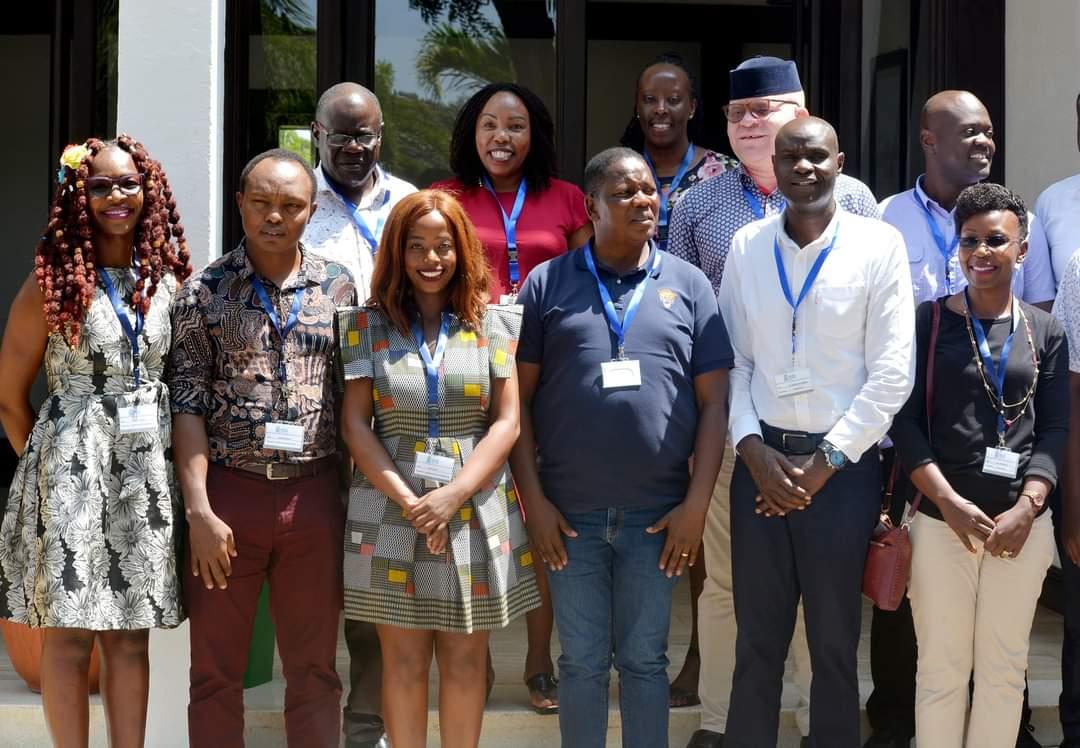
The National Assembly’s Departmental Committee on Health has began a two-day engagement with top officials from Marie Stopes Kenya led by the Board chairman Dr. Hezron Mac’Ombewa. He was accompanied by Dr. Joan Oracha, Country Director; Dr. Job Makoyo, Director programmes and operations, and Ms. Susan Kimani, Programmes Manager, on Reproductive Health in Kenya.
On the first day of the meeting which was held in a hotel in Mombasa, Committee Chairperson, Robert Pukose said the committee would support Marie Stopes as it seeks to streamline laws governing the provision of healthcare in Kenya.
“Public participation is an integral part in the law making process. This is our first engagement with you, but I can assure you, it was very beneficial,” said Hon Pukose.
Hon Pukose said the committee would help educate and inform Kenyans about reproductive health, which is described as a state of complete physical, mental and social well-being and not merely the absence of disease or infirmity, and all matters relating to the reproductive system.
Marie Stopes Kenya (MSK) is registered in Kenya as a local Non-Governmental Organisation (NGO) operating within Kenya. MSK has been providing access to high quality and affordable sexual and reproductive health services (SRH) to all people across Kenya since 1985.
The Committee heard how reproductive health implies that people are able to have a satisfying and safe sex life and that they have the capability to reproduce and the freedom to decide if, when and how often to do so.
The legislators noted that though sex education is considered a taboo, time has come to embrace so as to provide adolescents an opportunity to be develop insights on reproductive health. The Members heard how shunning sex education had resulted to an influx in teenage pregnancies among other ills .
The meeting further deliberated on the downside on cultural barriers to sex education,and how these cultural drawbacks compounded by gender inequalities, expose women and adolescent girls to sexual and reproductive health risks.
The legislators were told how the lack of autonomy to make decisions about one’s own reproductive health care, limited control over financial resources, restricted mobility to access services and power differentials between health care providers and recipients had precluded adolescent girls from being empowered to exercise their reproductive rights and make decisions about their bodies and their futures.
Pukose pointed out that traditionally, sex education was relegated to grandmothers and nobody else would engage an adolescent on such a subject.
“Adolescent girls are particularly at risk. Pregnancy during adolescence, especially early adolescence, can have negative consequences for the health and well-being of girls, their newborns and communities as a whole. This is why the society should embrace sex education”, Pukose submitted.
Officials of the organization rooted for support towards policies that encourage girls’ equal access to education, health-care services and socio-economic opportunities that can contribute to lessening the prevalence of pregnancy during adolescence.
The Committee was also encouraged to support policies promoting women and adolescent girls’ autonomy to make decisions about their sexual and reproductive health as a key to their empowerment, and an enabler for them to chart the course of their own life.
Other Members present were: Julius Sunkuli (Kilgoris), Martin Peters Owino (Ndhiwa), Martin Wanyonyi (Webuye East), Anthony Kibagendi (Kitutu Chache), and Mary Maingi (Mwea)
Similar Posts by The Mt Kenya Times:
- Mt Kenya Times ePAPER October 24-25, 2026
- Muturi calls on IEBC to keep election technology tender clean and on schedule
- Ruto meets UAE minister in push to deepen trade ties
- Gideon Moi breaks silence on Ruto fallout, cites broken promises
- The doctor who refused to abandon a sick Uganda
About the Author