How Often Do Indians/Asians And Africans Intermarry? A Case Study Of Hafsa Zayyan “We Are All Birds Of Uganda”
 The Mt Kenya Times
We are birds of Uganda
By: Nassur Tab’an El-Tablaz
Worth Noting:
- When you begin reading philosophies, you begin to appreciate the importance of the complexity of life and the animal, human being. How we view ourselves and create territories and boundaries creating rules prior inexistent. This in return sows an upbeat seed of hatred for one another. In relation to diversity, perhaps this very book explores quite a number of such concerns. Do we truly understand the beauty in diversity?
- I am impressed by how the authoress brilliantly writes a Ugandan story perfectly well – with correct dialect. It is very important to note that we are yet delve into a wave of African stories.
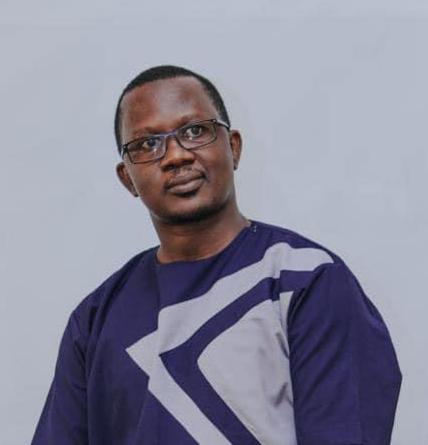
In this column, our editor, Nassur Tab’an El-Tablaz brings you a weekly review of Ugandan literary works through the lenses of Zziwa Zinabala, an ardent advocate of Ugandan Literature. Zziwa is a well read Ugandan poet and playwright well known for his poetic play, The Muchwezi, the Flower and the Suitor. This week we peer through some of the reasons why Asians don’t intermarry with African as an analogy on why Ugandan ‘local’ content seems not to find both local and international readership and market.
I am still grappling with understanding why our stories hardly penetrate international markets! But then I recall that, perhaps, the world is constructed into castes. This is a point I find relevant in this this nice novel, “We are all Birds of Uganda” by Hafsa Zayyan, a story about a search for meaning, culture-escape, racism and politics. This is the first Indian authoress I have read in my entire reading life. Out of curiosity evoked by the title, I honestly first thought the novel is about birds. It took 5 days to read the 350 intriguing pages concentrating on details in order to understand how Indians have managed to keep their businesses running for generations.
However, the novel teaches about family, loyalty, sacrifice and debts repayment. It addresses the distress many Indians faced during their expulsion from Uganda in the 1970s. The story is hinged on an indecisive Indian son, Sameer in whom his father has great hope of inheriting his estate and continuing the family legacy. However, Sameer decides to wire himself up and define his own destiny: defying the whims of his father’s nagging and the constructs of the Asian system – not mixing their blood. He is propelled back to Uganda where his family legacy begins… a legacy of business and innovation. Eventually, Sameer finds love in a Ugandan woman, Maryam, a “haram” in his culture and community. It is unimaginable that Sameer’s mother spits on hearing that her beloved son wishes to marry an African woman! His father refuses to attend the wedding because his in-laws are black.
When you read this novel, you will agree with me that this is the most throbbing, grotesque and honest opinions ever presented on this topic. The author navigates the impossible and creates an attentive audience. The reader will certainly ponder on how many Indians have married Africans! Why don’t they mix with us? If you truly wish to undertake this discourse or debate, I am ready to wage an avalanche of thoughts on my opinions and perhaps, they could be viewed as detrimental or quite irritating to one’s eyes. So, let’s have the hot soup while it still boils. Maybe we shall find a few answers on the way.
On many different occasions in the novel, it is clear that Africans are viewed as the ‘other race’ that is purportedly uncivil or messed up. The authoress navigates a rarely employed writing style – use of letters to inform. These letters effectively bring out the history of Asians and their relationship with blacks. In one of the letters, Sameer’s grandfather believes President Amin can’t handle the situation without them which prophecy comes to pass after the expulsion of the Asians as things become messy. Later, Obote II pleads with the Asians to come back to Uganda. In my opinion, perhaps, the temporary expulsion of Indians offered an oasis for Ugandans to teach themselves to stand up again and see how to take care of their mess. When shall we ever stand on our own two feet and take care of our mess without relying on help from other “superior” races? This novel seems to offers the logical concerns Ugandans have struggled with till date.
When you begin reading philosophies, you begin to appreciate the importance of the complexity of life and the animal, human being. How we view ourselves and create territories and boundaries creating rules prior inexistent. This in return sows an upbeat seed of hatred for one another. In relation to diversity, perhaps this very book explores quite a number of such concerns. Do we truly understand the beauty in diversity?
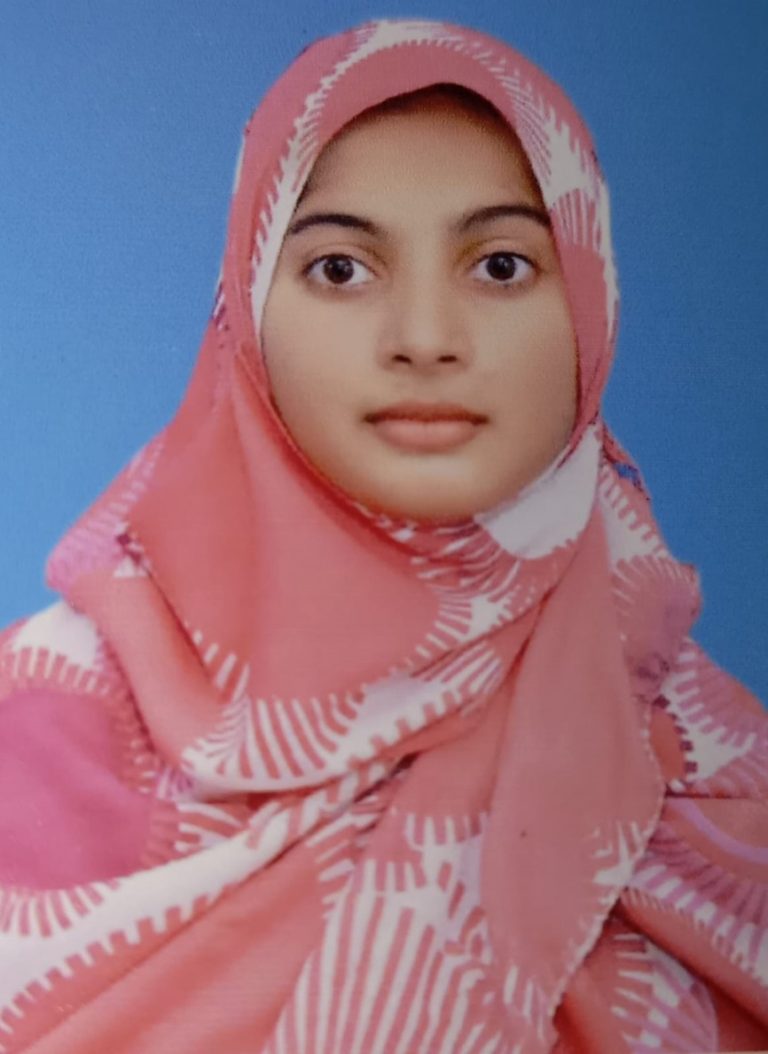
I am impressed by how the authoress brilliantly writes a Ugandan story perfectly well – with correct dialect. It is very important to note that we are yet delve into a wave of African stories. We are a virgin territory with too much to write about, most importantly, our rich cultures. Hafsa Zayyan left her comfort zone in London, visited Uganda and wrote a wonderful story that won her an award and a deal with Penguin Publishers. She writes a new story mixed with different cultures, something the English had not seen before. In my opinion, this is the right time Ugandan authors thought critically about how to exploit such opportunities – to rethink how to rewrite their stories. The West is sees gold in our content and they try to blend and write a good story with an attachment to our cultures and language, but we are failing to twist our necks and see.
Grapevine is that the future is “African”. We have everything the world is looking for although most Africans don’t seem to see opportunities in such things. This very novel exploits this lacuna. Mr. Shah explains to Sameer that Uganda is a country of opportunities if you identify a gap. Later, Sameer identifies a gap and begins making natural juice which becomes a best seller after the third month of trial leading to future contracts. This brings out the logical understanding that the “karias”, a term Indians use to refer to blacks, don’t see opportunities.
In a nutshell, if you are reading this review and you are a writer, stop writing like an American. Begin writing like a typical Ugandan. Hafsa Zayyan uses “Uglish”, a fusion of direct translation and English. It is a simple remedy and a thoughtful process. It would be quite hurtful seeing our stories being narrated by someone who may not truly understand them better, and then sell to us our content. Perhaps, we should learn to own and think outside the box of our comfort zone. The world is changing and the future is African but we, ourselves, seem not ready for change. We are still boxed in a colonial mindset. Anyways, I visited Aristoc Booklex yesterday to buy another Indian author who wrote about “Kololo Hill” and copies are done. I tried purchasing a copy today at Mahiri books and copies were “sold out”. Who buys these books? Ugandans or Indians or both? Why do we have quite less of our ‘local’ content sold and read?
Similar Posts by The Mt Kenya Times:
- Mt Kenya Times ePAPER October 24-25, 2026
- Muturi calls on IEBC to keep election technology tender clean and on schedule
- Ruto meets UAE minister in push to deepen trade ties
- Gideon Moi breaks silence on Ruto fallout, cites broken promises
- The doctor who refused to abandon a sick Uganda
About the Author