
How the corporate world’s star Swati turned her home into a sanctuary for the voiceless
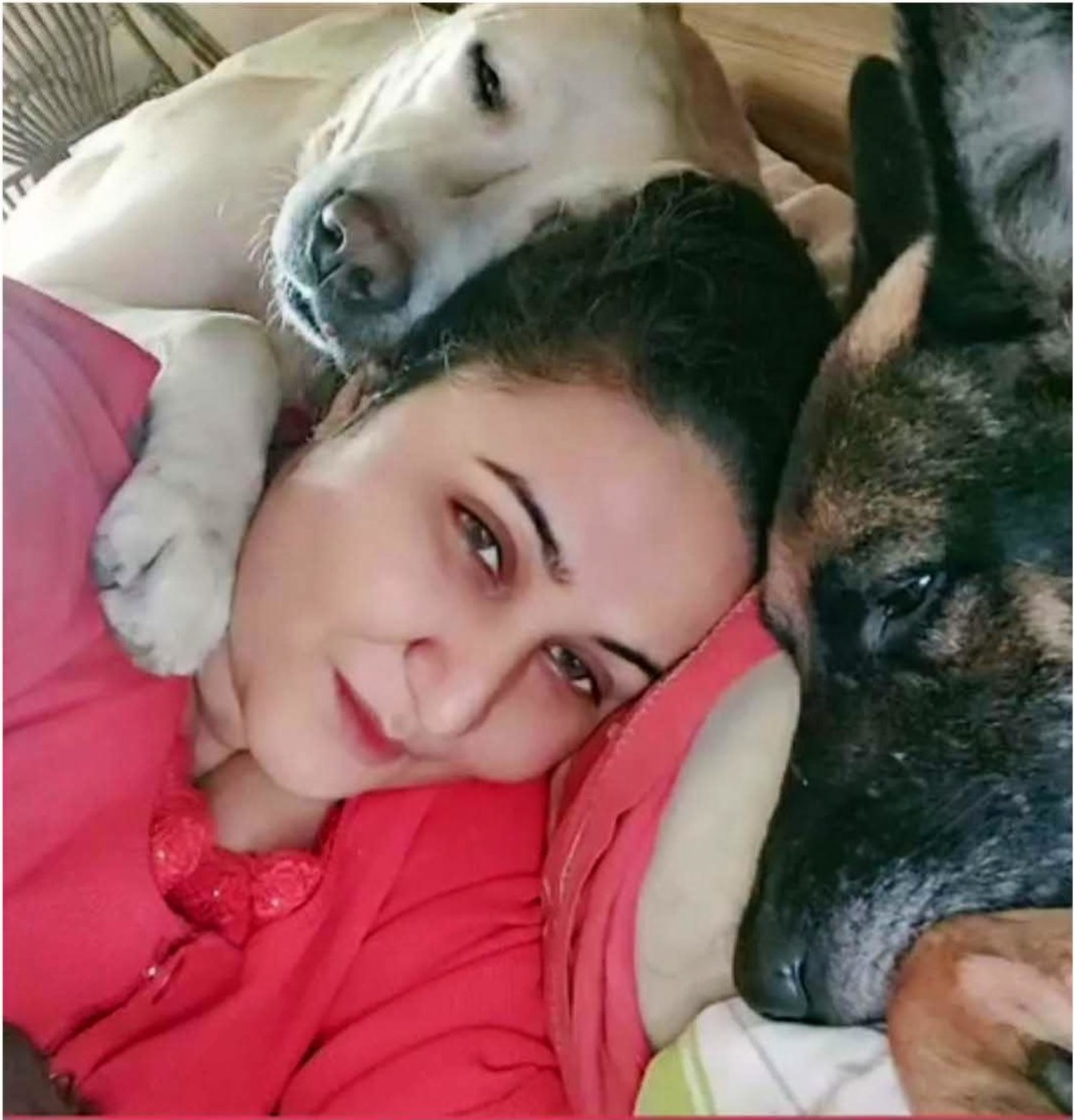
Comfort zone for depressed street dogs, Swati Blellani is always there to ensure their welfare.
By Pragatee Gupta
In the spiritual heart of Varanasi lives a woman whose story feels less like reality and more like a forgotten chapter of compassion in a rapidly hardening world.
Career girl Swati Ballani turned her back on life’s luxuries in the corporate world to rescue animals.
Across the lanes of Kashi, she is called the “Mowgli Girl.”
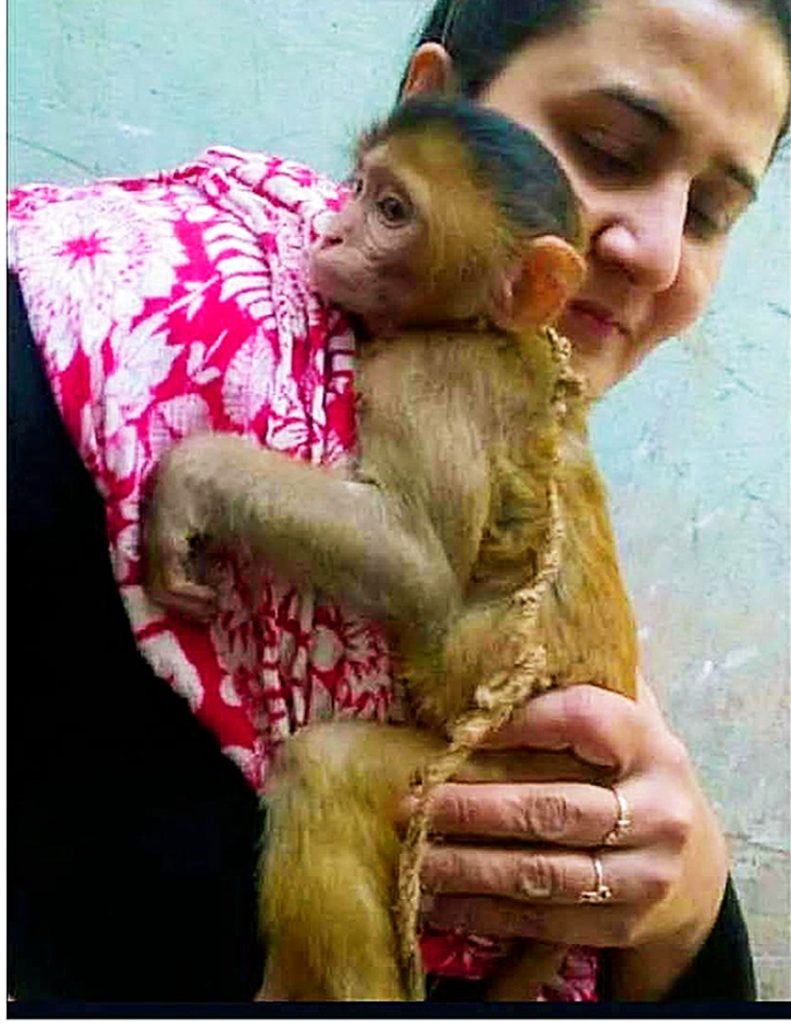
For Swati, loving animals was never merely a hobby. It was a gift, something deeply rooted in her soul since childhood. Perhaps that is why wounded animals trust her without fear, and abandoned
creatures somehow find their way to her doorstep as though guided by instinct itself.
Today, Swati has transformed her home into what people lovingly call a “Mini Zoo.” But this is no ordinary collection of animals. Every room of her house breathes with life —rescued dogs, injured cats, abandoned bulls, cows, hens, birds, and even wounded eagles coexist under one roof. Each carries scars silently gifted by human cruelty, neglect, or abandonment.
The most remarkable part of her journey is this: none of these animals was bought. Every single one was rescued, showing her resilience and inspiring the audience to consider their own role in animal welfare.
Behind their wounded bodies lie untold stories of betrayal. Their scars speak of stones thrown in anger, roads crossed in pain, hunger endured in silence, and humanity forgotten at the hands of those meant to protect them.
Yet Swati chose differently.
She rescues voiceless beings where most walk away, treating their wounds, nursing them back to health, and giving them dignity and a second chance at life.
In a time when compassion often survives only in words and social media captions, Swati lives it every day.
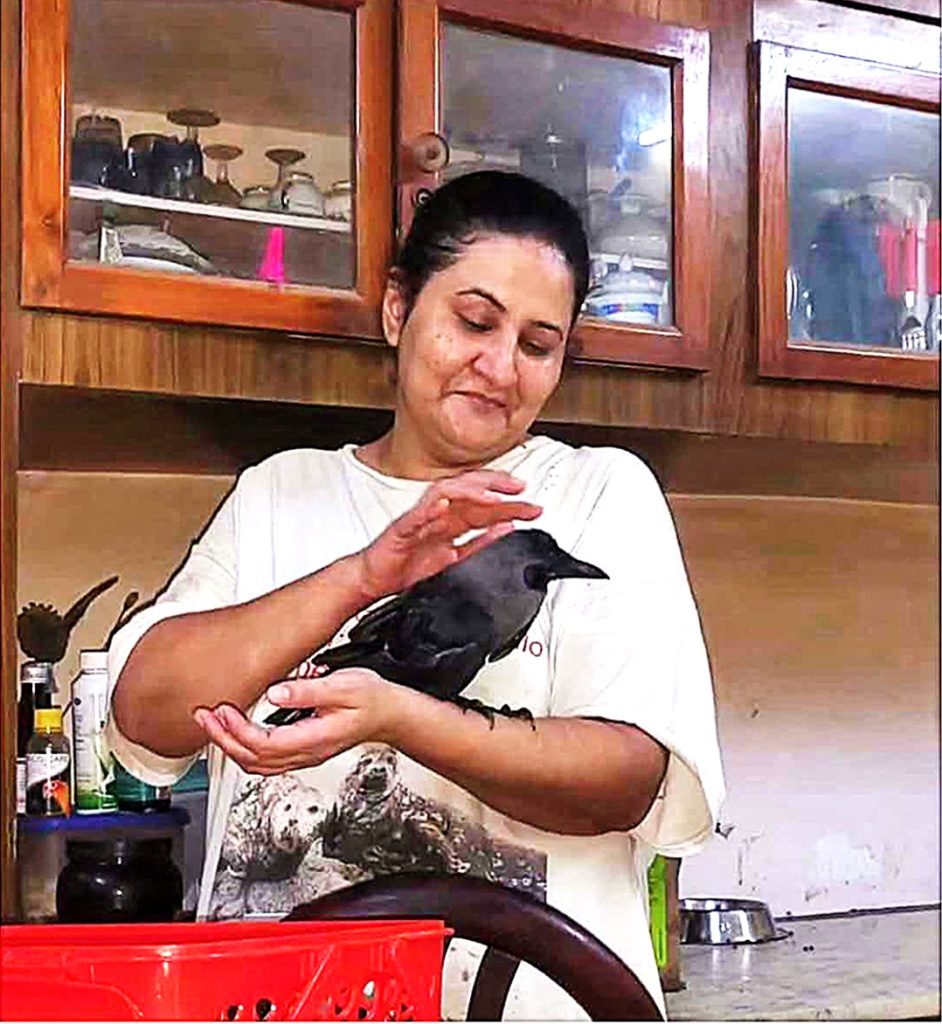
What makes her story extraordinary is not fame, wealth, or institutional backing. Without government support or large funding, she continues her mission purely through courage, sacrifice, and unconditional love for the voiceless. Maybe that’s what makes Swati different.
In Kashi, amid temples and prayers, lives a woman quietly proving that humanity still exists, sometimes in the form of someone who chooses animals over comfort, kindness over convenience, and love over everything else. Salute to such a spirit, a woman whose heart became a home for the abandoned.
Born on 10 October 1980 in Varanasi, Swati’s family hails from Darbhanga (Bihar). Though her journey later took her across some of India’s biggest cities and corporate spaces, her emotional connection with animals began long before success, degrees, or professional titles entered her life.
She completed her schooling at Sunbeam School, Bhagwanpur, before pursuing higher education in Jaipur and later management studies in Delhi, where she completed her post-graduation.
Her career reflected ambition, versatility, and achievement. She was an air hostess with Air India and later gained experience with leading corporate brands, including Reliance Industries and Mumbai’s renowned Grand Hyatt Mumbai.
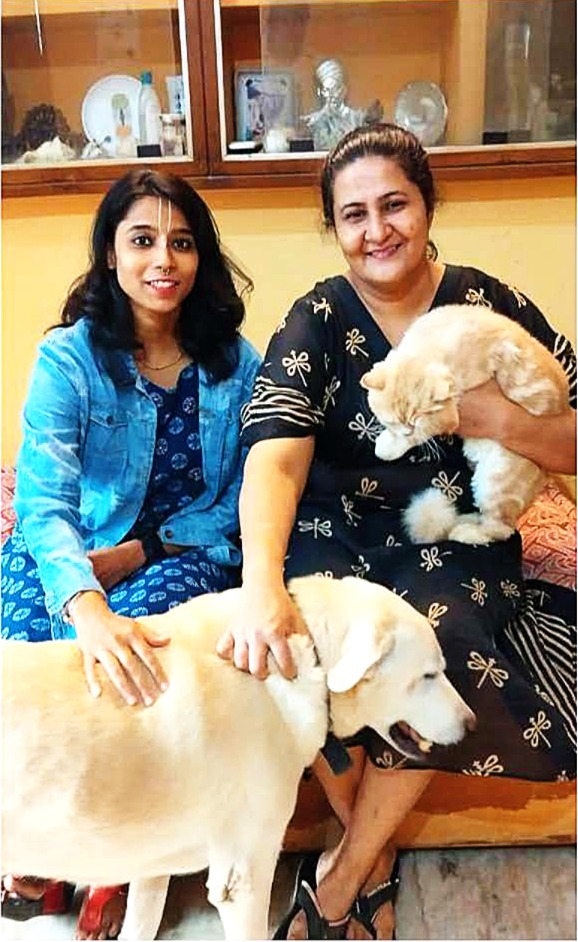
Alongside her corporate career, Swati quietly volunteered for animal welfare organisations. Even during the busiest phases of professional life, whether working in hospitality, media-related projects, management roles, or multinational Companies, her connection with rescued animals never faded.
She has also pursued an MBA in Mumbai and worked with media and entertainment platforms, including Pogo, building a career many would describe as successful and dynamic. Yet despite exposure to glamour, travel, and corporate achievement, her heart consistently returned to one purpose: caring for beings who could not speak for themselves.
Swati’s family today is spread across different parts of the world, including a sister settled in Canada.
Interestingly, beyond her corporate and rescue work, Swati is also associated with the medical field, another reflection of her instinct to heal and care.
Her story started much earlier, before degrees, careers, and city life.
Swati explains her love for animals was innate, not learned, highlighting her deep-rooted compassion that guides her actions every day.
When Swati was two or three years old, the family had a German Shepherd at home. At an age when most children feared large dogs, little Swati would crawl fearlessly toward him and quietly fall asleep on the dog’s stomach.
When her mother entered the room, she would gently lift her away, but the comfort and trust between the child and the animal spoke volumes.
Growing up, Swati spent time at her grandparents’ home surrounded by animals, horses, elephants, dogs, birds, and countless living beings who were treated not as possessions, but as family.
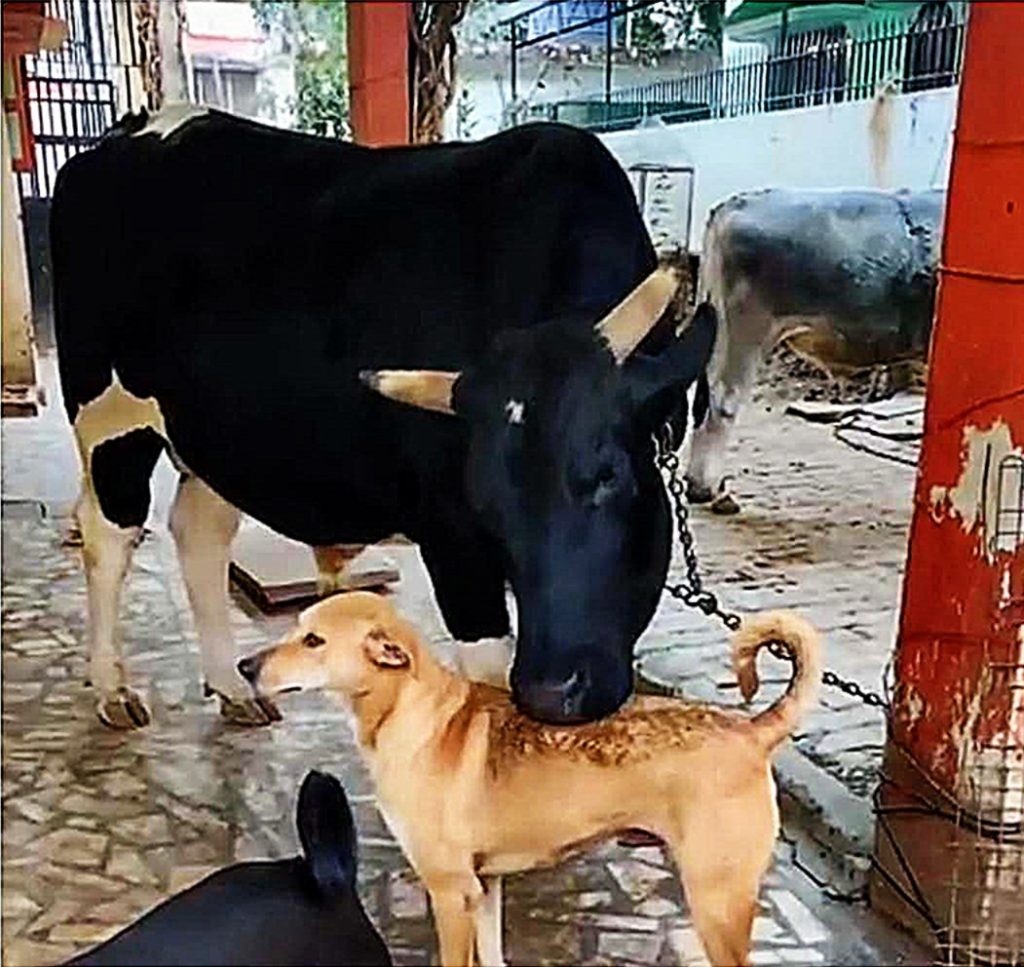
Watching elders care for animals with respect and affection touched her heart. That childhood affection transformed into something far greater: an emotional bond, a responsibility, and eventually, a life mission.
For Swati, animals were never “just animals.” They became emotions, companions, and souls worthy of love.
Compassion arrived naturally, quietly becoming part of everyday life long before she even realised it.
As a child, Swati lived with her family in different parts of Varanasi. Yet no matter where the family moved, caring for stray dogs and cats continued. They became part of her world.
While most children spent their afternoons playing with toys, Swati spent hers feeding street animals outside her home. Sometimes there was little food to spare, but that never stopped her. She admits that on many occasions, she would secretly take milk and bread from the kitchen to feed hungry animals waiting outside.
Slowly, an unusual bond formed. The stray dogs and cats grew attached to her: they no longer remained “outside animals.” They started entering the house freely, sitting near her doors and windows as though they belonged there. Some even trusted her enough to give birth to their babies inside or around her home, choosing safety in the presence of a little girl whose kindness they somehow understood.
Wherever Swati’s family moved, animals followed her emotionally. New streets meant new rescues, new feeding routines, and new silent friendships.
Caring for injured or hungry animals did not feel extraordinary to her.
There were days when Swati would even share her own meals with animals before eating herself. Her parents often worried and scolded her for becoming too emotionally attached, unable to understand why their daughter constantly prioritised stray animals over her own comfort.
But she was quietly lost in a world where love for voiceless beings felt completely normal to her. Perhaps even then, without knowing it, the “Mowgli Girl of Kashi” was already beginning to take shape.
For Swati, leaving behind the structured world of multinational companies was never a sudden rebellion against corporate life. In many ways, the transition had already begun quietly within her long before anyone noticed it.
Even while studying or working outside Varanasi, one habit remained constant wherever Swati travelled: she instinctively sought out organisations working with injured and abandoned animals.
While others explored cities through cafés, malls, or tourist attractions, Swati explored them through rescue networks. She recalls that during her years in corporate roles and professional studies, she often connected with local animal welfare teams to help rescue animals.
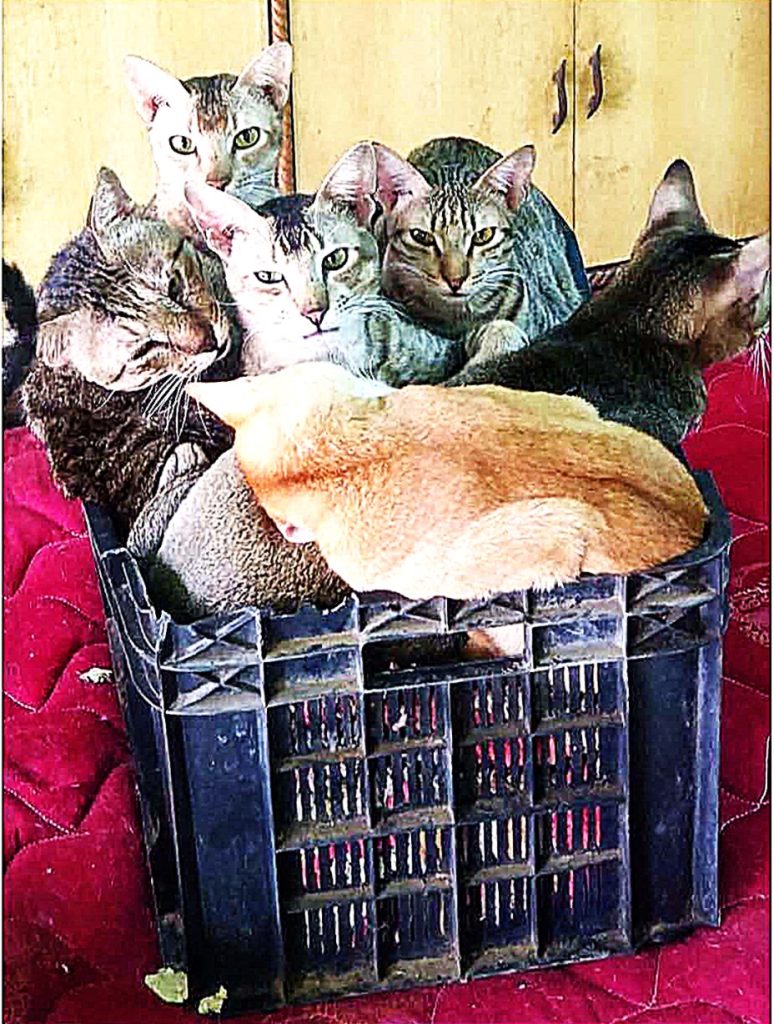
Whether it was feeding, treatment support, emergency rescues or basic care, she never wanted to remain distant from the world she belonged to emotionally. She volunteered with several NGOs and animal shelters, offering her time without seeking recognition.
She already knew how to comfort frightened animals, handle injured strays, and build trust with creatures most people feared or ignored.
She joined shelters and rescue groups with the humility of a learner eager to deepen her knowledge, understand medical care, improve rescue techniques, and contribute more effectively to animal welfare.
For Swati, this was never “social work” performed occasionally for satisfaction. It was a lifelong emotional responsibility that quietly followed her through every phase of life, from classrooms to corporate offices, from airports to rescue shelters. And perhaps that is why the decision to move closer toward rescue work never truly felt difficult to her.
Perhaps the most difficult phase of her life was not financial struggle, professional pressure, but the growing realisation that the life she was living and the life she truly wanted were slowly diverging.
Amid the fast-moving world of Mumbai’s multinational companies and corporate expectations, an uncomfortable truth began to take shape within her. Deep down, she knew that if she continued to chase corporate success endlessly, she might never be able to dedicate herself to what her heart had wanted since childhood: serving animals.
She imagined owning a large home someday filled not with luxury, but with life. Dogs, cats, cows, goats, hens, birds, and injured creatures living safely under one roof.
Years later, around the age of thirty-three, that childhood dream began turning into reality. The deeper she entered the world of rescue work, the more strongly she felt an emotional connection with animals. She believed that just as she could sense their fear, suffering, and emotions, the animals, too, somehow understood her presence, voice, and silence.
From then on, it became part of her life.
The journey, however, was never free from struggle.
Financial pressure, emotional exhaustion, and social criticism hit her.
Yet perhaps the hardest part was continuing despite the lack of meaningful support from the systems meant to protect animals.
She said neither society nor government institutions consistently stood beside people working to rescue animals.
She is visibly upset about situations where stray animals were removed from streets and confined to overcrowded shelters in the name of control.
In these places, freedom, safety, and proper care often vanished. For someone who believed animals deserved dignity, not imprisonment, it was deeply disturbing.
Without stable financial backing, she sacrificed her comforts, arranging food, medicines, treatment, and shelter for so many rescued lives.
Sometimes, support came quietly from family members, close friends, relatives, and even strangers who stepped forward to help.
This strengthened her faith that kindness existed in the world.
At times, social judgment followed her. People questioned her choices constantly. Why spend life cleaning after stray dogs and cats? How long could a single woman continue living this way? Why remain surrounded by rescued animals instead of building a “normal” life? The remarks were often cruel, personal, and dismissive. It was easy to criticise; people seldom offered support.
It was tough for a woman managing not only wounded animals but also the emotional weight of human behaviour, balancing compassion, loneliness, responsibility, and resilience with remarkable strength.
Despite years of rescue work, she admits there is always a limit to how much one person can physically handle.
Her doors remain open at all hours for any voiceless creature in need. On an average day, she rescues nearly six to eight animals or birds, depending on the emergency.
Many of these rescues occur on the city’s streets, where injured strays are often left to suffer unnoticed beside busy roads and crowded lanes.
She frequently treats the wounded animals on-site whenever possible. But when their condition appears critical, she brings them home, turning her living space into an emergency healing area.
She has strong connections with doctors and vets who provide treatment tailored to each animal’s medical condition. Medicines, recovery care, feeding schedules, and emotional comfort all become part of a routine that rarely pauses.
But sadly, for many abandoned animals, help does not first arrive through institutions.
It arrives through one woman’s rescue mission around the clock.
When asked whether there was one particular rescue that remained closest to her heart, she said that choosing just one was impossible.
She says every voiceless soul that entered her home carried a story of its own. Some arrived broken and healed against all odds. Some brought laughter, leaving behind unforgettable moments.
Others became silent miracles as she continued to struggle to explain in words. And there were also those whose journeys ended naturally, leaving behind memories so deep that even today their absence is quietly felt inside the home they once occupied.
They became chapters of life. Each scar carried a history. Each recovery carried emotion. Each goodbye carried pain.
Behind the walls of this unusual sanctuary exist stories far more powerful than rescue statistics or social media photographs, stories of survival, loyalty, loss, healing, and a form of love rarely spoken about in modern life.
Pragatee Gupta is a national award-winning Indian journalist, writer and photographer.
Photos by Pragatee Gupta
Editing: Shamlal Puri, Senior Editor, London
Similar Posts by The Mt Kenya Times:
- Mt Kenya Times ePAPER September 22, 2026
- Ruto offers Kenya as test case on African risk
- Gachagua demands fuel deal accountability, accuses Ruto of deception
- Azimio is dead. Long live the Ukombozi Alliance
- Court frees former presidents to play politics
About the Author




An act if paramount compassion and kindness to dumb and discarded , suffering lives for which seldom, a rare care is exercised in streets, societies and human hearts.
Swati has exhibited an unique , inspiring and all motivating generosity to suffering creatures showing unlimited expansion of her kindness, a living Matrai, solutions and blessings to proceed effectively on this sagacious path.
Thank you so much for your kind and thoughtful words. Your appreciation means a lot to me. Swati Ballani’s journey of compassion and dedication towards voiceless beings deeply touched my heart, and I am grateful that her story resonated with you as well. Wishing Swati continued strength and blessings in her noble mission. 🙏❤️
— Pragatee Gupta
Thank you for your thoughtful words and encouragement. Swati’s journey is truly inspiring, and I am grateful that her story resonated with you. 🙏❤️
— Pragatee Gupta