Interior Principal Secretary Reaffirms That Police Reforms To Cost Sh108 Billion In Four Years

The key development partners

By Cynthia Masibo and Aoma Keziah
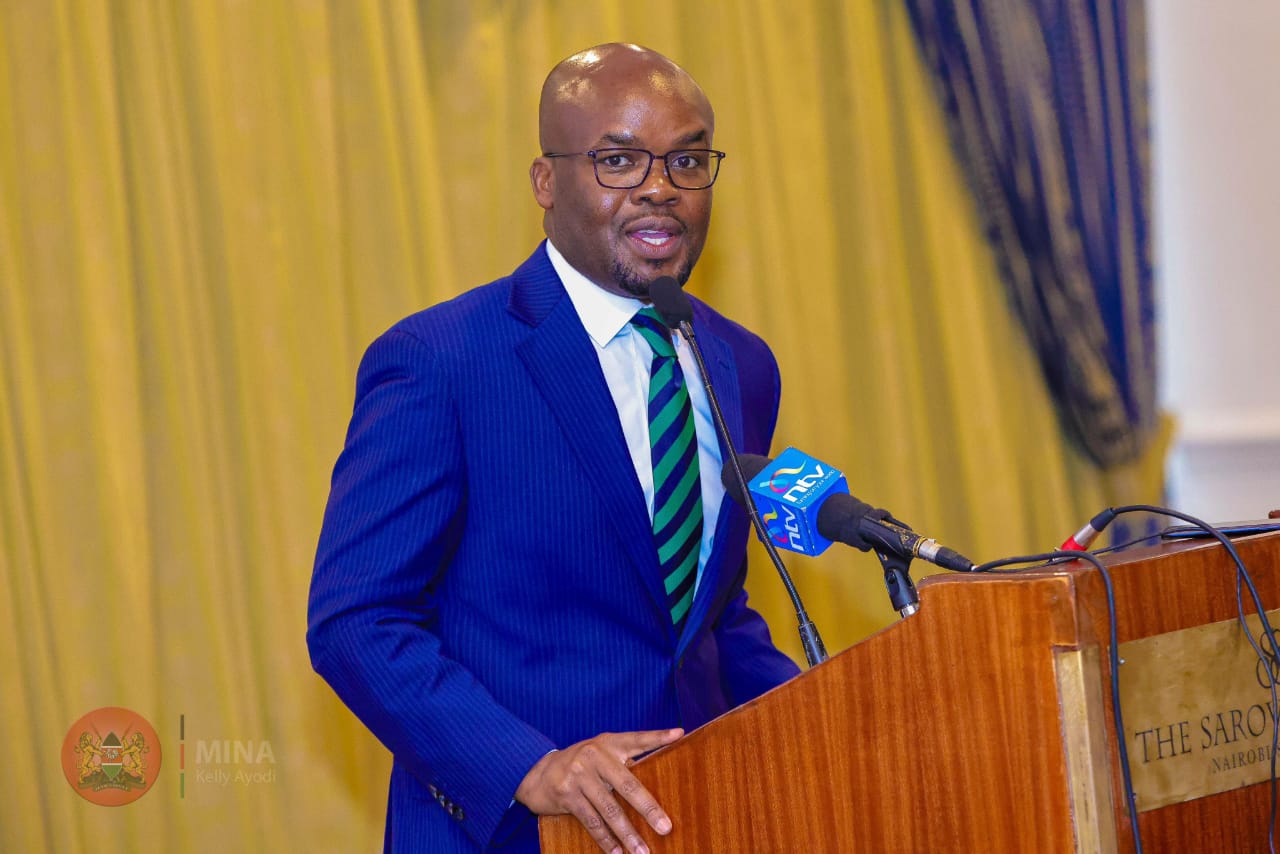
The Kenyan government requires Sh108 billion to implement extensive reforms within the police force, prison services, and the National Youth Service (NYS). This financial estimate is part of the recommendations put forth by the Maraga task force, which identified 598 specific areas needing reform. The task force’s report has outlined a transformative agenda aimed at enhancing efficiency, accountability, and service delivery within these critical sectors.
Reform Agenda and Financial Requirements
During a roundtable meeting at a hotel in Nairobi, Dr. Omollo, Principal Secretary for Internal Security, provided an update to development partners on the progress of reform implementation. He highlighted the government’s commitment to carrying out the reforms, despite the substantial financial implications. Dr. Omollo emphasized that the Sh108 billion budget is essential to address structural weaknesses, modernize facilities, and improve personnel welfare across the police, prisons, and NYS.
The Maraga task force’s comprehensive report outlines key areas such as:
Police Reforms: Enhancing training programs, improving working conditions, increasing accountability mechanisms, and deploying advanced technology for crime detection and management.
Prison Reforms: Overhauling the prison infrastructure, ensuring humane treatment of inmates, introducing rehabilitation and reintegration programs, and boosting the welfare of prison staff.
NYS Reforms: Strengthening the organizational structure, expanding skill development programs, and ensuring better integration of NYS graduates into the workforce.
Support from Development Partners
The roundtable meeting witnessed significant engagement from various development partners who expressed their support for the reform agenda. These partners commended the government’s commitment and the pace at which the reforms are being executed. They acknowledged the ambitious nature of the reform plan and its potential to substantially improve the security and correctional services in Kenya.
Representatives from international organizations and donor agencies pledged both financial and technical support. They highlighted the importance of a transparent and accountable implementation process to ensure that the reforms yield the desired outcomes.
Government’s Commitment to Reforms
Dr. Omollo reiterated the government’s unwavering dedication to seeing through the proposed changes. He acknowledged the challenges posed by the substantial budget requirements but maintained that the long-term benefits of a reformed police force, modernized prison system, and revitalized NYS far outweigh the initial costs.
“These reforms are not just about enhancing our security apparatus but are fundamentally about ensuring justice, human dignity, and efficient service delivery,” said Dr. Omollo. “We are committed to working closely with our development partners to realize these goals and to ensure that every Kenyan benefits from these changes.”
Conclusion
The implementation of the Maraga task force recommendations marks a significant step towards improving Kenya’s internal security and correctional services. While the financial demands are high, the collaborative efforts between the government and development partners provide a hopeful outlook for the successful execution of these reforms. As the process unfolds, continued transparency and accountability will be crucial in achieving the envisioned transformation.
Similar Posts by Aoma Keziah:
- Nationwide Youth Business Drive Enters Last Lap With New Nyota Trainings
- Green Light From Washington Sets G42 On Fast Track to Build Region’s Most Powerful AI Network
- Safina Eyes Kariobangi North Seat in Intensified Push Before Poll Day
- KEBS Opens Talks With Manufacturers On New Standards Levy Order 2025
- Kenya, Uganda And South Sudan Chart Way Forward On East Africa Rail Corridor
About the Author

 The Mt Kenya Times