Intimate Partner Violence In The Shadow Of Broader GBV Initiatives

By: Faith Mwangi
In Kenya’s fight against gender-based violence, a troubling disparity has emerged that reveals the country’s skewed priorities in protecting women. While the government has pledged to invest up to 50 million USD in GBV prevention and response by 2026, intimate partner violence, which affects over 40% of Kenyan women according to recent demographic surveys, remains inadequately addressed despite being the most prevalent form of violence women face.
This gap becomes stark when examining resource allocation and public attention. High-profile campaigns against female genital mutilation, child marriage, and sexual violence in schools receive substantial funding and donor interest, while the violence happening behind closed doors continues with limited intervention. The most common threat to women’s safety receives proportionally the least support in Kenya’s gender-based violence response strategy.
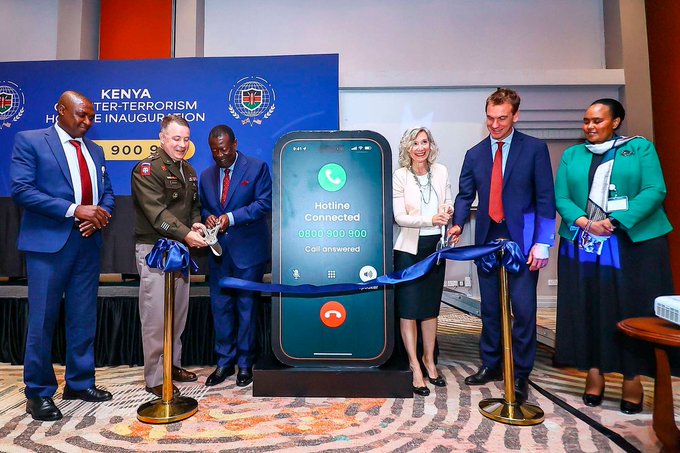
Kenya’s single National Gender-Based Violence Toll-Free Helpline, 1195, serves the entire country of over 50 million people, highlighting the inadequacy of current support systems for IPV survivors. Unlike other forms of GBV that benefit from specialized programs, dedicated courts, and focused campaigns, intimate partner violence services remain fragmented and underfunded. Women experiencing domestic violence must navigate understaffed police stations, overwhelmed courts, and limited shelter options, while other GBV survivors access specialized services designed specifically for their situations.
This uneven response reflects deeper cultural attitudes that view intimate partner violence as a private matter, creating a policy blind spot where IPV receives less public outrage and political attention. Research in Nairobi’s informal settlements reveals that while support services can mitigate IPV’s impact, few survivors seek help due to social norms that discourage service use.
The consequences extend beyond individual suffering. Women experiencing IPV face higher rates of depression, anxiety, and physical health problems, while their children witness violence that perpetuates cycles of abuse. The economic impact affects household income and national productivity, yet unlike other forms of GBV where economic arguments drive policy responses, IPV’s costs remain largely uncalculated and unaddressed.
True progress requires ensuring that intimate partner violence receives attention and resources proportional to its devastating impact on Kenyan women, not just inclusion in broader strategies that prioritize more visible but less common forms of gender-based violence.
Similar Posts by The Mt Kenya Times:
- Diaspora Times Global Sep 19 – Sep 25, 2026
- Tibet’s glacial catastrophe: Behind Beijing’s wall of silence, a climate disaster reshapes a region
- Museveni says Uganda overpaid for fuel through Kenyan middlemen as new terminal breaks ground
- Court orders throw KPL season kickoff into doubt
- Can Kenyans abroad become the untapped force that transforms Kenya?
About the Author