The Mt Kenya Times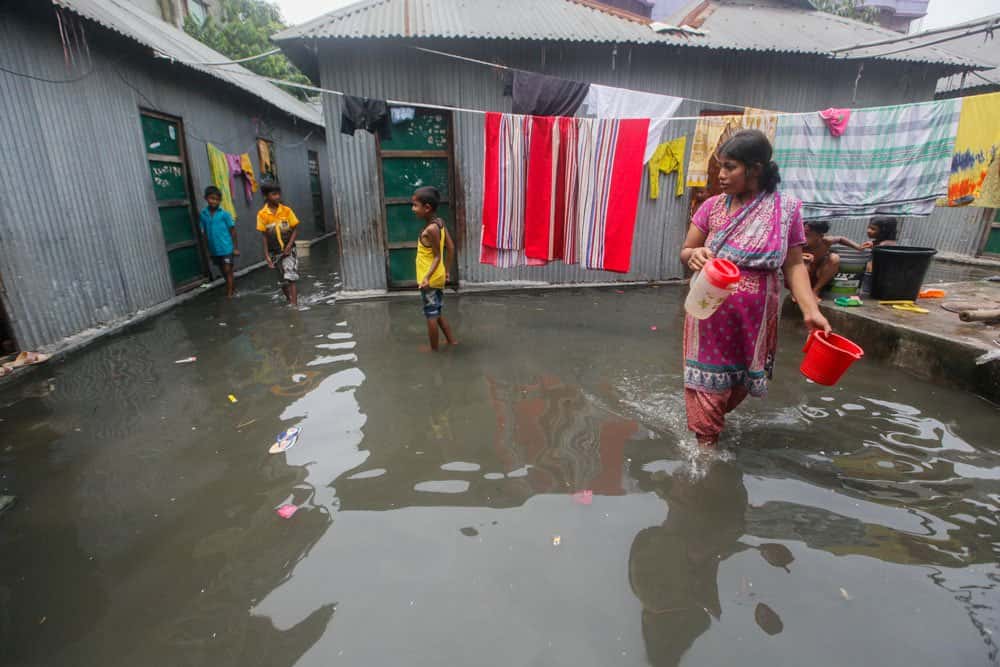
By: Ireen Twongirwe
Worth Noting:
- Another factor is that women are seldom involved in decision-making processes to access and utilize land and livelihood resources, which furthers their vulnerability to the impacts of natural disasters.
- Women lack access to information on the impacts of climate change and related policies. In addition, women contribute more to the non-economic Loss and damage climate impacts since there are non-monetary however their efforts go unnoticed and this has created gender gap and inequalities.
- Noteworthy, there is only minimal involvement from women in discussions and policy development on climate issues, from the community level up to the international level. Meanwhile, women themselves often lack confidence, given limits on freedom of expression and this has limited them to participate actively in the struggles of fighting climate change impacts.
Loss and Damage is a priority for many climate-vulnerable countries in the UN climate negotiations due to the severe climate effects they are experiencing. In definition according to the UN , Loss and Damage refers to negative consequences that a rise from the unavoidable risks of climate change like rising water levels, prolonged heat weaves , desertification, cyclones, hurricanes, acidification of sea and extreme events such bushfires, poor farming methods , deforestation and crop failures among others.
More so, Loss and Damage is the destructive impacts of climate change that cannot be addressed through adaptation and mitigation measures. It’s important to note that Loss and damage is often divided into economic loss and damage, which includes harms to livelihoods and property, and non-economic loss and damage, which includes loss of life and losses to biodiversity and cultural heritage.
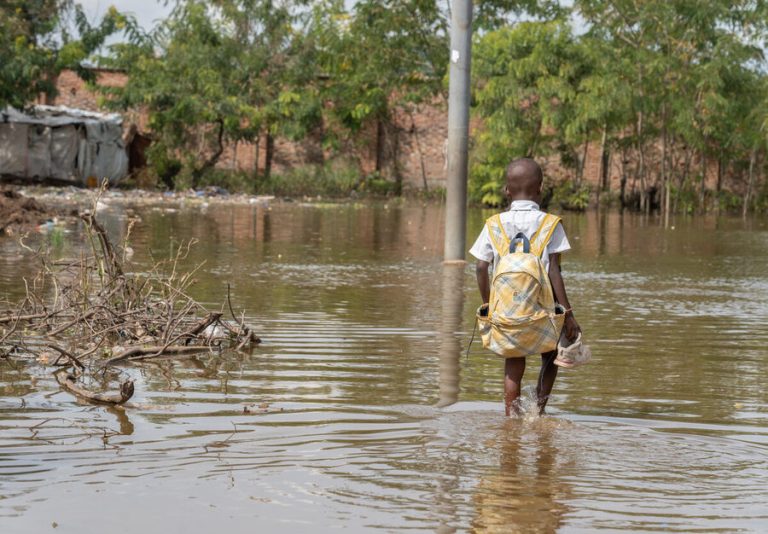
The extent of current global loss and damage is difficult to quantify. It ranges from damage to infrastructure as a result of flooding to loss of life due to extreme heat. However, it is clear that loss and damage is already occurring on a large scale, and that it will only worsen as global warming increases and this continue to affect women and girls.
Ironically, although women are the most vulnerable, they are not equipped with sufficient knowledge or skills to prepare themselves to face the impacts of climate change and various policies on climate change still embed a gender bias.
It’s important to know that women endure greater ongoing suffering from the impacts of climate change. For example, failed crops causing food scarcity has further resulted in a sharp increase in malnutrition among women and girls as many traditions prioritize food for men and boys as the breadwinners of the family. During long droughts, women must walk long distances in search of food and water for their families.
Another factor is that women are seldom involved in decision-making processes to access and utilize land and livelihood resources, which furthers their vulnerability to the impacts of natural disasters.
Women lack access to information on the impacts of climate change and related policies. In addition, women contribute more to the non-economic Loss and damage climate impacts since there are non-monetary however their efforts go unnoticed and this has created gender gap and inequalities.
Noteworthy, there is only minimal involvement from women in discussions and policy development on climate issues, from the community level up to the international level. Meanwhile, women themselves often lack confidence, given limits on freedom of expression and this has limited them to participate actively in the struggles of fighting climate change impacts. It’s also important to note that there is higher illiteracy rate in women that has greatly created difficulties in accessing information on climate change and this has made them more vulnerable.
In my opinion, the information on climate change should be provided in the form of brochures, leaflets or other print media to give a clear information to vulnerable women in rural communities. However it’s very unfortunate that the government apparently does not take into consideration the fact that the literacy rate of women remains low.
With high risk of natural disasters and climate change, Uganda should empower women to play a more significant role in adapting and mitigating climate change .There is also need to start collecting gender-segregated data that includes data on the people’s level of understanding of climate change, their various concerns, the initiatives taken and other relevant issues. With this data pool, issues related to disaster mitigation and adaptation for both men and women could be addressed.
Secondly, women should be involved in developing policies and decision making on climate issues with their indigenous knowledge. More so, information on climate issues should be accessible and simplified particularly to those in rural areas that depend on agriculture and forest products as their source of livelihood, in which the climate is an important factor in determining successful harvest or crop failure.
Thirdly, through cultural reconstruction in the community, women should have equal rights to education and healthcare and be provided with the skills to survive independently. This would encourage women not only to help themselves but also to contribute to their society in mitigating the impacts of disasters and climate change. With this drive, women can become assets rather than a burden in any disaster or climate change mitigation efforts. As Mary Robinson and Wangari Maathai stated in the Huffington Post in 2010, “The battle to protect the environment is not solely about technological innovation it is also about empowering women and their communities to hold their governments accountable for results.”
For God my country
Ireen Twongirwe
Executive Director
Women for Green Economy Movement Uganda. (WoGEM Uganda)
Similar Posts by The Mt Kenya Times:
- The Problem of Antimicrobial Resistance In Pneumonia Treatment And Its Analysis
- Democrats bet on diversity: The radical reshaping of America’s 2028 primary map
- The quiet businesses carrying Kenya’s economy
- Diaspora Times Global Aug 15 – Aug 21, 2026
- Arteta signals commitment to Arsenal as new contract looms
About the Author
 Brenda Holo