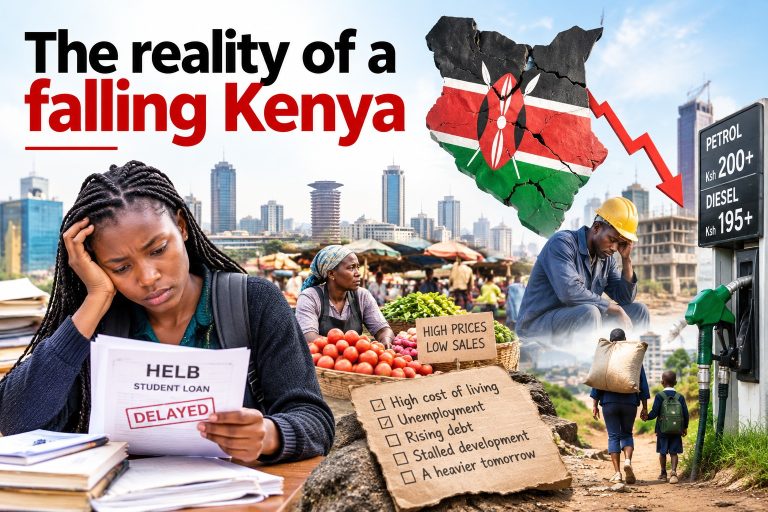
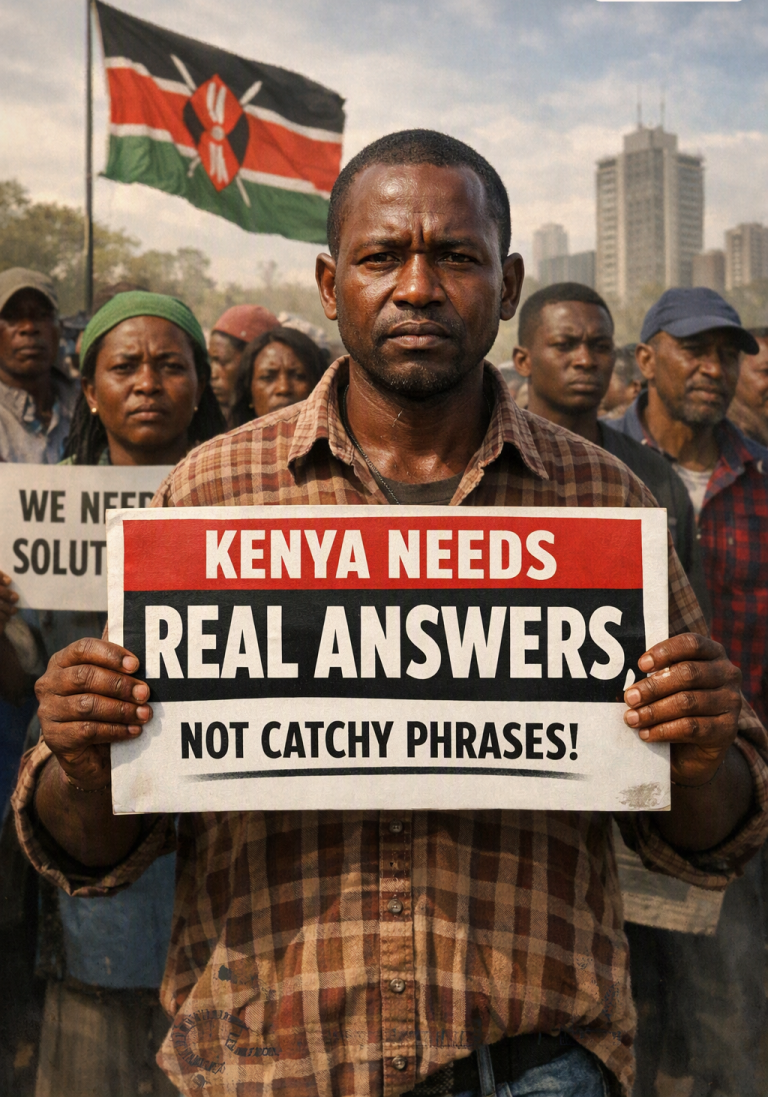
In Kenya, journalism’s role as the Fourth Estate is not only vital for democracy and governance but also increasingly challenged by issues surrounding press freedom and access to information. The media serves as a watchdog, holding those in power accountable and ensuring that citizens are informed about critical issues affecting their lives. However, the precarious nature of press freedom in Kenya poses significant obstacles to fulfilling this essential function.
Recent incidents highlight the dangers faced by journalists in the country. Reports of violence, abductions, and intimidation against media professionals underscore the risks involved in their pursuit of truth. For instance, the shooting of journalist Catherine Kariuki while covering protests reflects the hostile environment in which journalists operate. Such threats not only endanger individual reporters but also undermine the broader integrity of the media landscape, limiting the public’s access to vital information.
The Kenyan government has a responsibility to protect press freedom, as it is fundamental to a functioning democracy. The International Federation of Journalists has emphasized that every democratic state must ensure the safety and independence of journalists. This includes investigating attacks on media personnel and holding perpetrators accountable. A free press is essential for fostering transparency and accountability in governance, enabling citizens to engage meaningfully in democratic processes.
Moreover, the rise of digital media has transformed how information is disseminated, presenting both opportunities and challenges. While social media platforms allow for broader participation and immediate access to news, they also contribute to the spread of misinformation and sensationalism. This shift necessitates a renewed commitment to journalistic integrity and ethical standards, ensuring that the media continues to serve as a reliable source of information.
As the media landscape evolves, it is crucial for journalists to adapt to changing consumption habits while upholding the principles of professionalism, impartiality, and accountability. Engaging younger audiences through innovative storytelling and digital platforms can help maintain relevance and encourage democratic participation.
In conclusion, journalism’s role as the Fourth Estate in Kenya is fundamental to the health of democracy and governance. By advocating for press freedom and ensuring access to information, the media empowers citizens to participate actively in shaping their society. As we navigate the complexities of the digital age, it is imperative to recognize and support the vital function of journalism in nurturing democracy and fostering good governance in Kenya. The protection of journalists and the promotion of press freedom are essential for a vibrant and informed society, ensuring that the voices of all Kenyans are heard and valued.
James Kilonzo Bwire is a Media and communication student at Masinde Muliro University of Science and Technology kakamega.
Similar Posts by The Mt Kenya Times:
- AI Curse or boon: The Future of Intelligence: Artificial or Emotional?
- Dr. Ekrah Ndung’u wins TVET advocacy award after 12 years
- Mt Kenya Times ePAPER October 17-18, 2026
- Ruto bets billions on Kerio Valley — with one eye on 2027
- Ruto’s health ministry kills Murang’a’s digital hospitals
About the Author