Kenya Commemorates International Snakebite Awareness Day In Tharaka Nithi County

International Snakebite Awareness in Tharaka Nithi County
By Aoma Keziah
Worth Noting:
- Speaking at the event, officials emphasized the often-overlooked public health threat posed by snakebites, which affect thousands of people in rural areas across the country. Tharaka Nithi County, being one of the regions most affected by snakebite incidents, served as the ideal location for the commemoration, highlighting the need for better education and resources for both prevention and treatment.
- Deputy Director, Kenya Snakebite Research and Intervention Centre (K-SRIC), Kenya Institute of Primate Research (KIPRE) Dr George Omondi, stressed the importance of early treatment and access to antivenoms, which can prevent fatalities and permanent disabilities caused by snakebites.
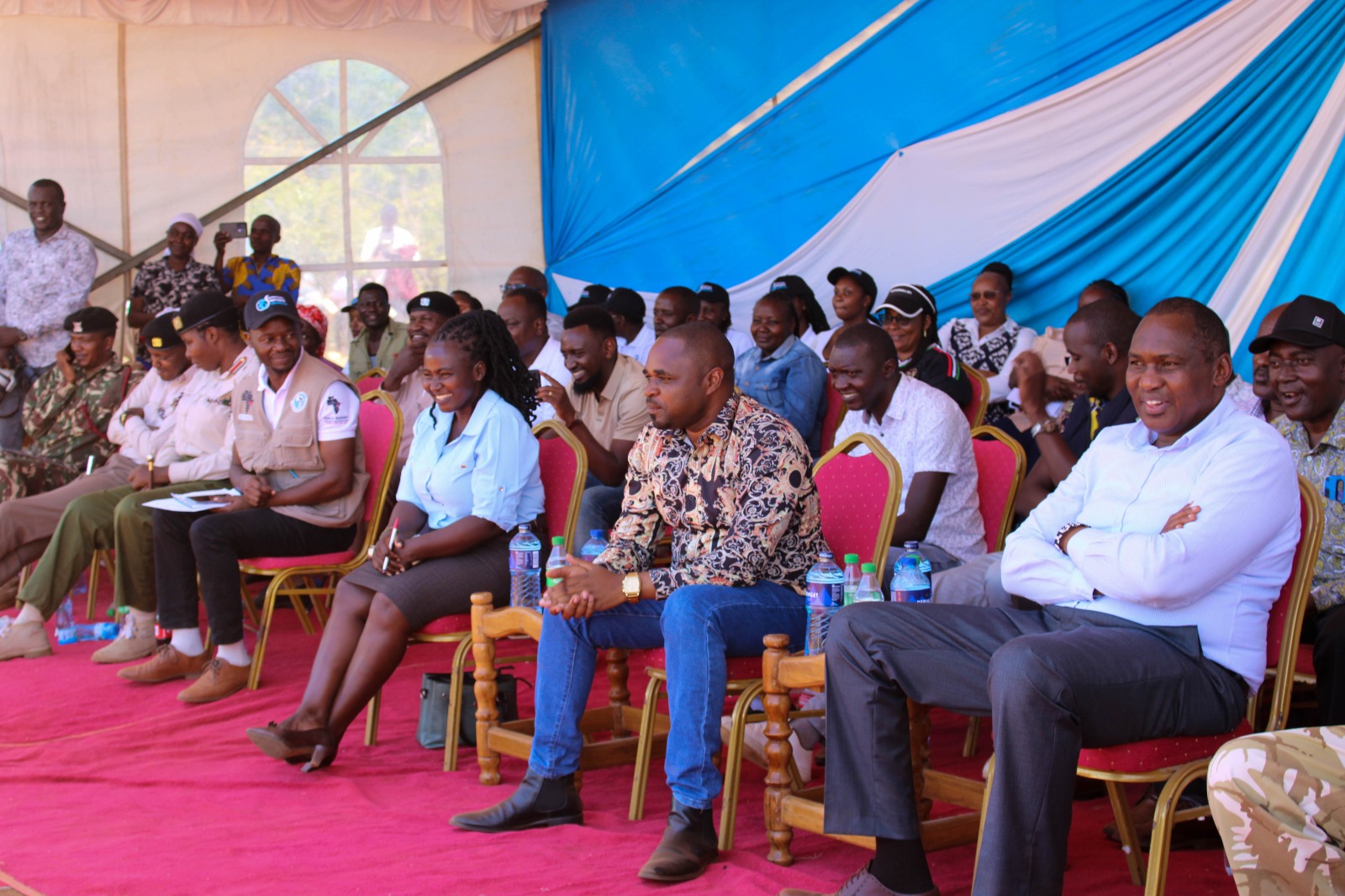
The Kenya Institute of Primate Research (KIPRE) and the Ministry of Health joined forces to commemorate the International Snakebite Awareness Day (ISBAD) at Mwenjeu Primary School grounds in Tharaka Nithi County. The event, held under the theme “Snakebite can cause disability,” aimed to raise awareness about the dangers of snakebites and the long-term health consequences they can cause.
The event highlighted the dangers posed by snakebites, which remain a neglected public health issue in many tropical and subtropical countries, particularly in Africa, Asia, and Latin America.
According to their research, In Africa alone, an estimated 435,000 to 580,000 snakebites annually require medical treatment. In Kenya, snakebites claim approximately 4,000 lives each year, with 7,000 more victims suffering from severe health complications. Snakebite envenoming primarily affects vulnerable groups such as women, children, and farmers in rural areas, particularly where healthcare systems are weak and access to medical resources is limited.
Speaking at the event, officials emphasized the often-overlooked public health threat posed by snakebites, which affect thousands of people in rural areas across the country. Tharaka Nithi County, being one of the regions most affected by snakebite incidents, served as the ideal location for the commemoration, highlighting the need for better education and resources for both prevention and treatment.
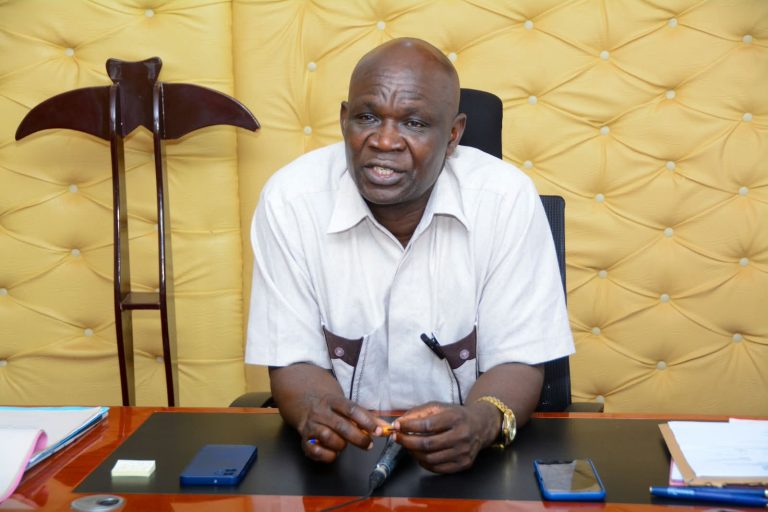
Deputy Director, Kenya Snakebite Research and Intervention Centre (K-SRIC), Kenya Institute of Primate Research (KIPRE) Dr George Omondi, stressed the importance of early treatment and access to antivenoms, which can prevent fatalities and permanent disabilities caused by snakebites.
“Snakebites can have devastating impacts on individuals and families, particularly in rural communities where access to healthcare can be limited.” He said.
Dr. Omondi also noted that disability from snakebite injuries is a significant issue that requires targeted attention from health systems and communities.
The Ministry of Health, represented by Head, Vector Borne and Neglected Tropical Diseases Unit (VBNTDU)Mr Wyckliff Omondi, reiterated the government’s commitment to increasing the availability of life-saving antivenoms in rural health centers and educating the public on first-aid measures for snakebites. “We need to raise awareness not only about the immediate risks but also the long-term consequences of untreated snakebites. Disability is preventable if the right steps are taken early.” He emphasized.
The dangers of snakebites were emphasized throughout the event. Snakebite victims can experience acute medical emergencies, including severe paralysis, bleeding disorders, irreversible kidney failure, and local tissue destruction. These conditions can lead to permanent disability or death if left untreated. Children, due to their smaller body mass, are especially vulnerable to snakebites.
In 2017, recognizing the global severity of this issue, the World Health Organization (WHO) added snakebite envenoming to its list of Neglected Tropical Diseases (NTDs). Two years later, the WHO set a global target to reduce snakebite cases by 50% by 2030.
Aligned with these goals, Kenya’s Ministry of Health has made significant strides in addressing the snakebite crisis. The ministry has invested over 1 billion Kenya shillings into research through the Kenya Institute of Primate Research’s Kenya Snakebite Research and Intervention Centre (KSRIC), aiming to develop a Kenya-specific antivenom. Furthermore, the government has initiated efforts to raise public awareness on snakebite prevention and improve treatment options.
Community engagement has been a central focus, with initiatives educating people on how to prevent snakebites, coexist with snakes, and manage snakebite incidents effectively. Today’s commemoration of ISBAD in Tharaka Nithi County was part of these broader efforts. First established in 2018, ISBAD aims to bring global attention to the risks posed by snakebites, particularly in rural, underserved communities.
Partnering with the Tharaka Nithi County government, the event sought to educate local residents on snakebite prevention and first-aid response, while also advocating for better healthcare access for those affected by snakebite envenoming.
As Kenya continues to lead efforts in reducing the impact of snakebites, the commemoration served as a reminder of the pressing need for a coordinated response to tackle this overlooked health challenge.
Similar Posts by Aoma Keziah:
- Nationwide Youth Business Drive Enters Last Lap With New Nyota Trainings
- Green Light From Washington Sets G42 On Fast Track to Build Region’s Most Powerful AI Network
- Safina Eyes Kariobangi North Seat in Intensified Push Before Poll Day
- KEBS Opens Talks With Manufacturers On New Standards Levy Order 2025
- Kenya, Uganda And South Sudan Chart Way Forward On East Africa Rail Corridor
About the Author

 The Mt Kenya Times