Kenya National Commission for UNESCO Unveils 2024-2029 Strategic Plan
 The Mt Kenya Times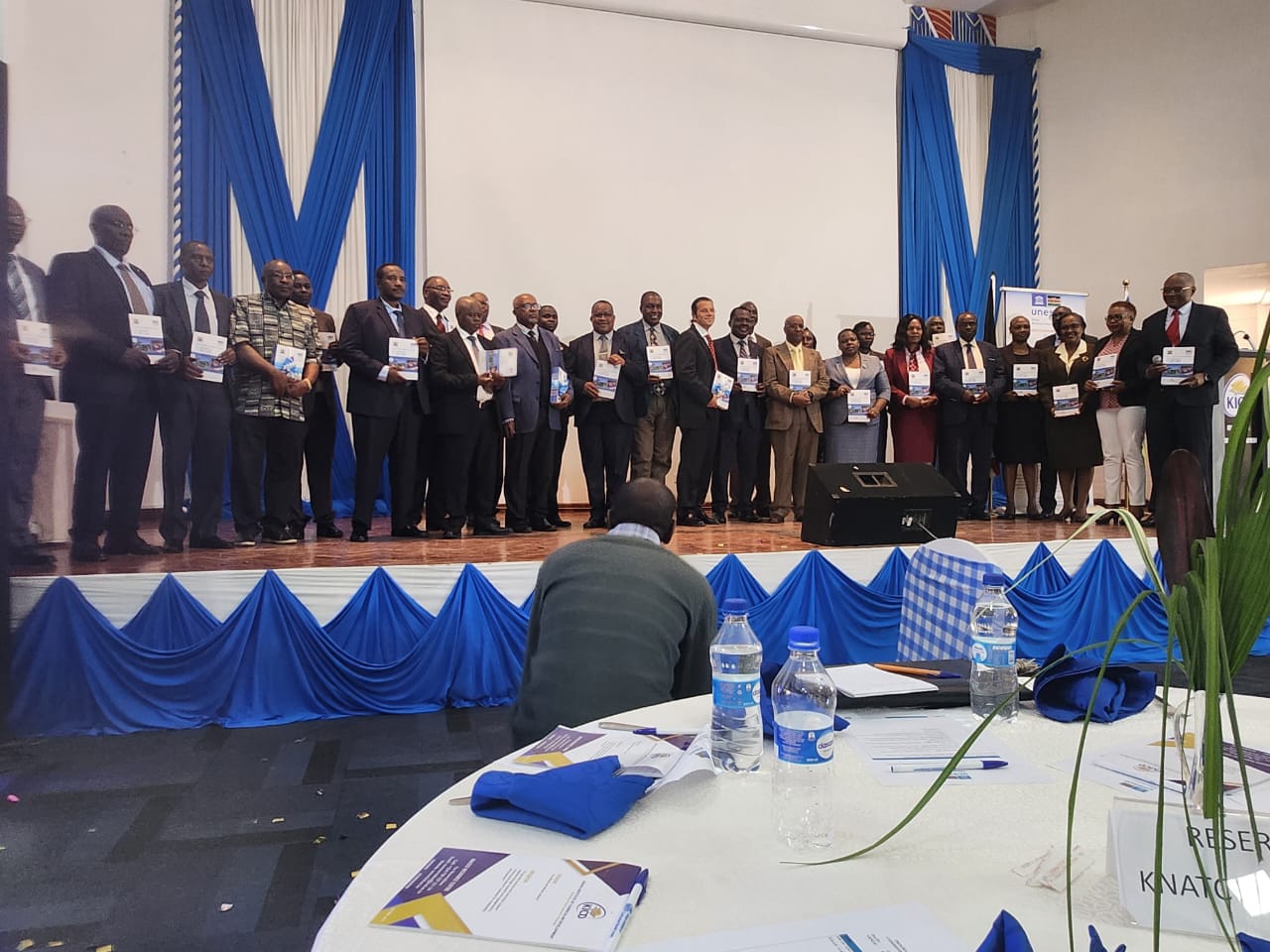
High-ranking government officials, education experts, and civil society leaders in picture
By: Cynthia Masibo
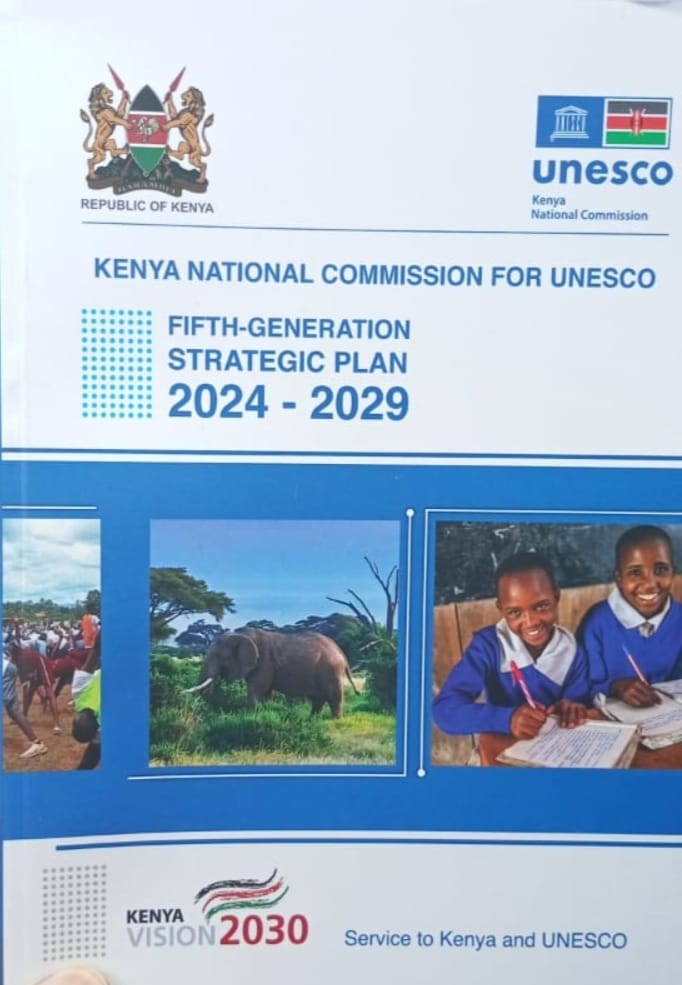
In a bold step towards advancing education, human rights, and policy innovation, the Kenya National Commission for UNESCO (KNATCOM) has launched its 2024-2029 Strategic Plan. The unveiling, held yesterday in Nairobi, was attended by high-ranking government officials, education experts, and civil society leaders, all of whom underscored the importance of this new roadmap in addressing key national and global challenges.
The strategic plan focuses on creating impactful partnerships between government agencies, policy makers, and civil society to promote education and human rights as catalysts for sustainable development. Speaking at the launch, KNATCOM Secretary-General, Dr.James Njogi, emphasized the pivotal role education plays in the realization of human rights and sustainable development. “This plan is not just about policy papers and meetings; it’s about creating tangible change through strategic partnerships and impactful programs that will uplift communities and drive sustainable development,” she said.
The 2024-2029 plan is built around several core pillars: advancing human rights, particularly through education; fostering innovation in policy making; and addressing the educational needs of marginalized communities. With a commitment to the principles of UNESCO, the strategy aims to provide access to quality education for all and ensure that education systems are inclusive, equitable, and transformative.
One of the key drivers highlighted in the strategic plan is the promotion of human rights through education. KNATCOM aims to collaborate closely with government agencies to strengthen policies that integrate human rights education into the national curriculum, from primary schools to tertiary institutions. According to the plan, teaching human rights as part of education will empower the next generation of Kenyans to advocate for equality, fairness, and social justice.
“The future of Kenya depends on how we educate our youth today,” said Professor Kimani Njogu, a key speaker at the event “We must ensure that they are equipped not just with academic knowledge, but with the values that promote peace, unity, and respect for human rights. This strategic plan ensures that human rights become a core component of the national education agenda.”
The plan also places a strong emphasis on fostering policy innovation to address contemporary challenges, particularly in education. KNATCOM aims to serve as a think tank and a resource center for policymakers, helping to drive research and generate data-driven policies that improve the delivery of education and human rights programs.
The commission plans to work closely with regional and global partners to ensure Kenya remains aligned with international best practices in education and human rights. KNATCOM is set to collaborate with other UNESCO member states to share knowledge and experiences, promoting a unified approach to addressing global challenges such as gender inequality, climate change, and digital education.
Another highlight of the 2024-2029 strategy is the focus on providing education to marginalized and disadvantaged communities. Recognizing that many children in Kenya’s arid and semi-arid regions face significant barriers to education, the plan outlines specific interventions designed to increase access to schooling. These include building more schools in remote areas, offering incentives to teachers in hardship zones, and enhancing the use of technology in education.
“The inclusivity of this strategic plan is commendable,” said Hon. Amina Abdalla, an education advocate from Northern Kenya. “By targeting marginalized communities, KNATCOM is ensuring that no child is left behind, and that all Kenyans have the opportunity to contribute to the country’s growth.”
With the launch of the 2024-2029 Strategic Plan, KNATCOM has set an ambitious agenda to drive national development through education and human rights. As the country moves forward, this collaboration between government, civil society, and international partners will be crucial in realizing the vision of an inclusive, equitable, and prosperous Kenya.
The event closed on a high note, with the call for stakeholders to unite in advancing the common agenda of promoting human rights and quality education. KNATCOM’s strategic plan is expected to serve as a blueprint for Kenya’s efforts in education and human rights over the next five years, fostering a society where every citizen can achieve their full potential.
“The journey ahead requires commitment and collaboration,” said Dr. Njogu in his concluding remarks. “But with this strategy in place, we are well-positioned to make significant progress in creating a better future for all Kenyans.”
Similar Posts by The Mt Kenya Times:
- Dr. Ekrah Ndung’u wins TVET advocacy award after 12 years
- Mt Kenya Times ePAPER October 17-18, 2026
- Ruto bets billions on Kerio Valley — with one eye on 2027
- Ruto’s health ministry kills Murang’a’s digital hospitals
- Kenya bets on Mount Kenya to drive a billion-shilling tourism revival
About the Author