Kenya’s Flickering Lights: How Load Shedding Entrenches Energy Poverty
 The Mt Kenya Times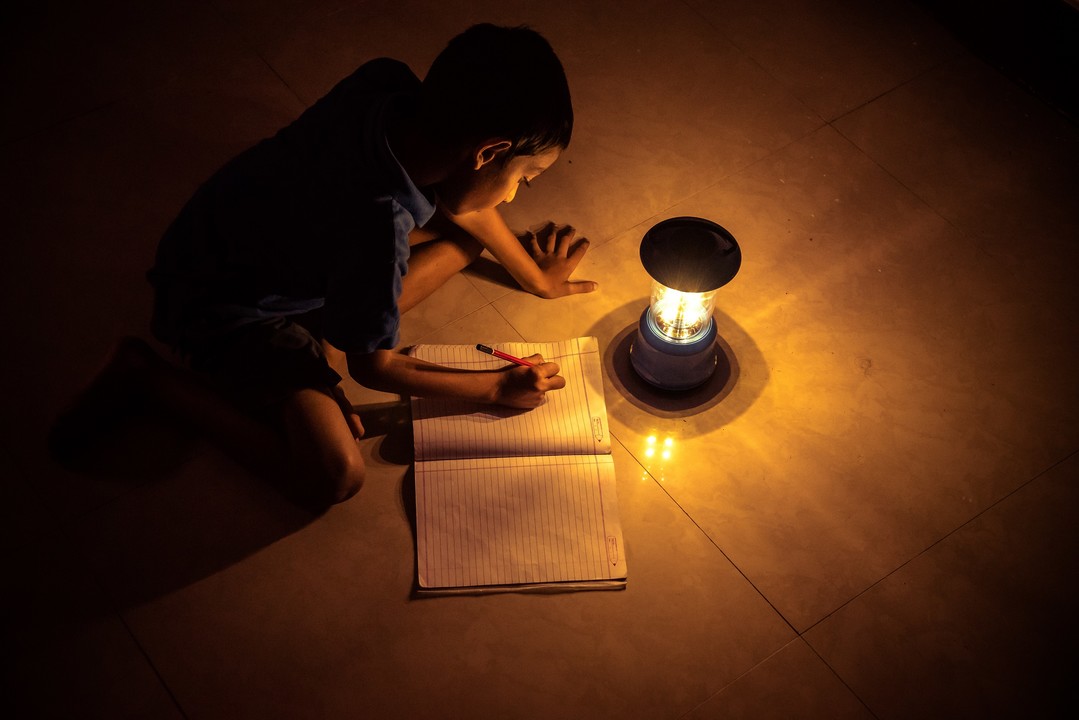
By Jerameel Kevins Owuor Odhiambo
In October 2025, Kenya’s peak electricity demand reached an unprecedented 2,412 megawatts, a threshold that pushed the national grid to its absolute limit and necessitated the immediate implementation of load shedding to prevent a catastrophic nationwide collapse. This stark reality underscores not merely a temporary setback but the fundamental fragility of Kenya’s energy infrastructure, where scheduled power outages have evolved from emergency measures into routine interventions necessary to maintain the precarious balance between supply and demand.
As the country’s economy continues its expansion trajectory, electricity consumption has surged correspondingly, with national demand climbing to 5,484.54 gigawatt-hours in the first half of the financial year, representing a significant increase from the 5,205.79 GWh recorded in the previous comparable period. This growth, while indicative of economic vitality and expanding access, simultaneously exposes the infrastructure’s inability to keep pace with development needs.
This statistical progress, however impressive on paper, masks a far deeper and more insidious crisis that threatens the foundation of Kenya’s development aspirations. Load shedding does not merely disrupt daily life through inconvenience; it actively exacerbates energy poverty, leaving millions of Kenyans trapped in a vicious cycle of unreliable and increasingly unaffordable power.
The phenomenon creates a dual burden where those who can least afford it must either endure extended periods without electricity or invest in expensive backup solutions, effectively pricing the poor out of the benefits of electrification they were promised. This situation transforms what should be a public good into a luxury commodity, undermining the very premise of universal energy access as a development goal.
Load shedding in Kenya stems from a critical mismatch between rapidly increasing demand driven by population growth, urbanization, and economic expansion, and supply capacity that has remained essentially stagnant due to underinvestment and mismanagement. President William Ruto publicly acknowledged in November 2025 that electricity demand has decisively outstripped supply, leading to the implementation of nationwide rationing measures that have become increasingly frequent and severe.
Multiple interconnected factors contribute to this crisis. Delayed infrastructure projects, plagued by bureaucratic inertia, corruption allegations, and funding shortfalls, have prevented crucial capacity additions from coming online when needed. The country’s over-reliance on hydroelectric power, while initially economical, has proven dangerously vulnerable to increasingly frequent and severe droughts linked to climate change, causing generation capacity to fluctuate wildly with rainfall patterns.
Perhaps most frustratingly, there has been insufficient investment in renewable energy sources despite Kenya’s abundant and largely untapped geothermal and solar potential, resources that could provide stable, sustainable baseload power. Critically, this crisis reveals a deeper policy paralysis, where stalled reforms and lack of political will have systematically failed to modernize the grid infrastructure, expand transmission capacity, or implement smart management systems. The result is a cascade of frequent blackouts that could have been substantially mitigated through proactive strategic planning, meaningful diversification of energy sources, and genuine commitment to infrastructure development.
Statistics paint an increasingly grim picture of load shedding’s pervasive presence in Kenyan life. Throughout 2025, Kenyans endured weekly power outages with such predictable regularity that citizens began sardonically referring to them as “Blackout Wednesdays,” a testament to the systemic nature of these shortfalls rather than isolated incidents.
Approximately 22% of households with nominal electricity connections report that service is actually available for only half the day or less, a stark statistic that highlights the profound unreliability plaguing even those officially counted among the electrified population. This chronic intermittency affects not only urban centers like Nairobi, which leads the nation in absolute energy consumption and hosts critical economic infrastructure, but also rural and peri-urban areas where grid expansion continues to lag behind population growth.
In these underserved regions, communities are forced into greater reliance on costly and environmentally damaging alternatives like kerosene for lighting, charcoal for cooking, and diesel generators for those who can afford them, creating a regressive energy economy that perpetuates rather than alleviates poverty.
Energy poverty in Kenya must be understood as a multidimensional challenge encompassing limited access to modern energy services, unreliable supply even when connections exist, and the inability to afford sufficient energy to meet basic household and productive needs. Millions of Kenyans remain dependent on traditional biomass sources like firewood and charcoal for cooking and lighting, technologies that carry significant health costs through indoor air pollution and environmental costs through deforestation.
Despite impressive strides in electrification programs that have reached over 75% of households by 2024, an achievement worthy of recognition, frequent and unpredictable outages systematically undermine these gains. This creates a troubling form of “hidden” or “qualitative” energy poverty where nominal access, reflected in connection statistics and policy documents, does not translate to consistent, usable power that households can depend upon for their daily needs.
This situation proves particularly acute in low-income communities, where families lack the financial resources to invest in backup systems like batteries, inverters, or generators. This inability deepens existing inequality structures and creates cascading barriers to meeting basic needs: children cannot study effectively after dark, medical clinics cannot refrigerate vaccines reliably, small businesses cannot operate consistently, and households cannot adopt modern appliances that would improve quality of life and economic productivity.
Load shedding directly and measurably exacerbates energy poverty through multiple interconnected pathways that create self-reinforcing cycles of deprivation. Power outages fundamentally disrupt livelihoods and income generation, particularly for micro and small enterprises that constitute the backbone of Kenya’s economy, employing the majority of the workforce and contributing substantially to GDP.
When a tailor’s sewing machine stops mid-project, when a salon cannot operate hair dryers or styling tools, when a welding shop loses productive hours, or when a small grocery cannot refrigerate perishables, the economic losses accumulate rapidly. This leads to reduced employment opportunities, decreased household incomes, and the perpetuation of poverty cycles that become increasingly difficult to escape.
At the household level, families experiencing frequent and unpredictable blackouts become rationally less likely to invest in electrical appliances and modern energy-using equipment, even when they might have the means to do so. This rational response to unreliable infrastructure stunts the adoption of energy-efficient technologies that could improve quality of life and reduce long-term costs. Instead, families remain trapped in reliance on inefficient and health-damaging alternatives like charcoal stoves, which produce dangerous levels of indoor air pollution, kerosene lamps linked to respiratory diseases and fire hazards, and other traditional methods that exact both financial and health tolls.
Economically, the impacts of sustained load shedding are both profound and far-reaching, threatening Kenya’s development trajectory and economic competitiveness. Continued and worsening load shedding could measurably shrink Kenya’s GDP by stifling manufacturing output, deterring both domestic and foreign investment, and undermining investor confidence in the country’s infrastructure and policy environment, as repeatedly noted by industry leaders and business associations.
Businesses across sectors face mounting losses from multiple sources: spoiled goods in industries requiring refrigeration or climate control, halted production lines that cannot meet delivery schedules, damaged equipment from voltage fluctuations, and increased reliance on expensive diesel generators that can triple or quadruple electricity costs. These inflated operational costs inevitably translate to higher consumer prices, reduced competitiveness in regional and international markets, and business closures in extreme cases.
This ripple effect disproportionately burdens the poor and vulnerable, who already spend a significantly larger share of their limited household income on energy needs compared to wealthier households. When electricity becomes more expensive and unreliable, forcing greater expenditure on alternatives, poor families must make impossible choices between energy and other essentials like food, education, or healthcare. This dynamic further entrenches poverty and increases inequality even as power tariffs continue rising due to stalled sector reforms, inefficient utilities, and the compounding costs of grid mismanagement.
On the social front, load shedding amplifies existing vulnerabilities and creates new ones, with effects that fall particularly heavily on women and children in energy-poor households. Without reliable electricity that can be counted upon during evening hours, children’s ability to study after dark becomes severely compromised or impossible, widening educational achievement gaps between those with reliable power or backup systems and those without. This educational disadvantage compounds over years of schooling, limiting opportunities and perpetuating intergenerational poverty.
Health risks rise dramatically from continued dependence on biomass fuels for cooking and heating, with indoor air pollution from wood smoke and charcoal causing respiratory diseases, cardiovascular problems, and premature deaths, particularly affecting women who spend more time in cooking areas and young children in their care. The time burden of collecting firewood or purchasing charcoal also falls disproportionately on women and girls, time that could otherwise be invested in education, income generation, or rest.
Critically, this ongoing crisis fosters growing public dissatisfaction and cynicism regarding Kenya’s much-touted energy transition and renewable energy initiatives. When even rapid expansion of green energy capacity fails to deliver tangible, equitable benefits to ordinary citizens when the lights still go out regularly despite rosy policy pronouncements the poor and marginalized reasonably feel excluded from and skeptical of national development narratives. This erosion of trust in public institutions and development promises carries serious implications for social cohesion and political stability.
A critical analysis reveals deep-seated and systemic policy failures at the very heart of this multifaceted crisis. Despite Kenya’s extraordinary renewable energy potential geothermal resources alone could realistically triple current generation capacity, while solar potential remains vastly underutilized persistent bureaucratic delays, inadequate transmission infrastructure investments, and fragmented policy implementation have collectively allowed demand to systematically outpace supply additions.
This paradox demands difficult questions about governmental priorities and competence: Why continue to prioritize reactive short-term fixes like rationing and load shedding over proactive long-term strategies such as genuine public-private partnerships, accelerated licensing for independent power producers, investment in decentralized solar and mini-grid systems, and serious grid modernization programs? Why have successive administrations failed to implement reforms that the energy sector has clearly needed for over a decade?
Such sustained policy inaction and implementation failures not only expose dangerous economic fragility and competitive disadvantage but also carry the serious risk of social unrest and political instability in a nation where reliable energy access is increasingly understood and demanded as a fundamental right rather than a privilege. As frustration mounts with each blackout, the social contract between government and governed frays further.
Potential solutions to this crisis exist and are well-understood; what they demand is urgent, coordinated, and multifaceted action backed by genuine political will and adequate resources. Strengthening and modernizing the transmission and distribution grid through strategic expansions, infrastructure upgrades, and deployment of smart grid technologies could substantially reduce technical losses and outages, as repeatedly recommended by international energy assessments and sector experts.
Dramatically accelerating renewable energy uptake, with particular emphasis on Kenya’s competitive advantages in geothermal and solar generation, must be coupled with serious investment in off-grid and mini-grid solutions specifically designed for rural and peri-urban areas where grid extension remains economically challenging. This approach would address energy poverty at its roots by providing reliable power to currently underserved populations rather than perpetuating an urban-centric model.

However, these technical solutions will fail without accompanying institutional and policy reforms. This requires transparent governance structures that reduce opportunities for corruption and rent-seeking, regulatory reforms that genuinely lower costs rather than protect incumbent interests, and deliberately inclusive policies that prioritize reaching vulnerable and marginalized populations rather than perpetuating a system that primarily serves urban elites and well-connected interests. Financing mechanisms must also evolve, exploring innovative approaches like results-based financing, green bonds, and targeted subsidies that reach intended beneficiaries.
In conclusion, Kenya’s load shedding crisis represents far more than a temporary technical problem or infrastructure glitch it stands as a revealing symptom of deeper systemic inequities and governance failures that actively deepen energy poverty, constrain economic potential, and fundamentally hinder sustainable and inclusive growth. The government faces a defining choice: it can harness data-driven insights, learn from past failures, mobilize necessary resources, and forge a genuinely resilient, equitable energy future that serves all citizens or it can continue business as usual and watch the lights dim progressively on the nation’s development aspirations and the hopes of millions of its citizens. The technical solutions exist. The financial resources, while constrained, can be mobilized. What remains uncertain is whether the political will exists to implement comprehensive reforms that prioritize long-term resilience over short-term expedience, and that place the needs of ordinary Kenyans above entrenched interests. The answer to this question will shape Kenya’s trajectory for decades to come.
The writer is a social commentator
Similar Posts by The Mt Kenya Times:
- When disability funds become a frontier for accountability: Kenya’s PWDs refuse to be invisible
- Public voices concerns over proposed education laws
- Manufacturing hope at the ballot, accumulating fortunes after the count
- Review of the Novel Pride and Prejudice
- Making schools places learners want to be: Addressing chronic absenteeism through engagement and belonging
About the Author