Labour CS Alfred Mutua Inaugurates Key Councils To Address Workers’ Wages
 The Mt Kenya Times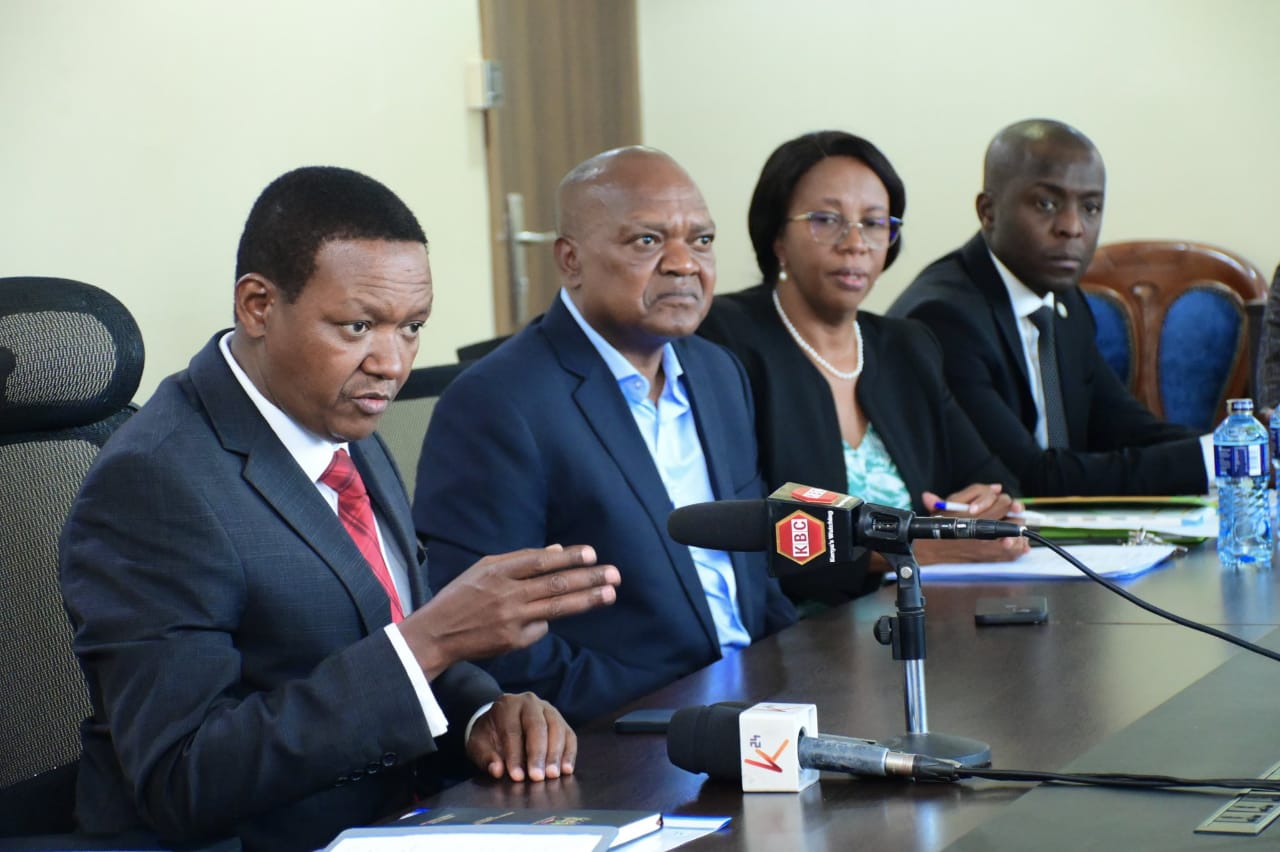
Labour and Social Protection Cabinet Secretary Dr. Alfred Mutua
By Cynthia Masibo
In a move aimed at stabilizing the Kenyan workers sector, Labour and Social Protection Cabinet Secretary Dr. Alfred Mutua has inaugurated two pivotal bodies that will directly influence workers’ welfare.
The National Labour Board and the General Wages Council, both of which were officially gazetted last week, are expected to play crucial roles in advising on labour matters and determining workers’ wages.
The General Wages Council, a body that has long been awaited by labour unions and stakeholders, is tasked with the responsibility of determining wage increases. This council, chaired by Bernard Mungata, will address wage-related delays, a problem that has persisted for more than three years. Among its first mandates is the finalization of a 6 per cent minimum wage increase, which was promised during the 2023 Labour Day celebrations but is yet to be implemented.
Dr. Mutua, while speaking during the inauguration, emphasized the urgency of the matter, giving the council a strict deadline to act.
“I want to look at your proposals on the minimum wage increase in the next one week to enable me to do the gazettement as soon as possible,” said the CS.
The council has been directed to bring all stakeholders on board to expedite the gazettement of the wage increase in the coming days.
This move is seen as a positive step toward enhancing workers’ rights, especially at a time when many are grappling with the high cost of living. The 6% wage hike was initially agreed upon as part of broader efforts to cushion workers against inflation and rising costs, but its implementation has been delayed due to the lack of an active council. Now, with the formation of the General Wages Council, workers and employers alike are hopeful that these issues will be addressed promptly.
Alongside the General Wages Council, the National Labour Board, chaired by David Siele, will act as an advisory body to the Labour CS on all labour-related matters. This board will play a vital role in ensuring that the labour sector remains harmonious and that policies enacted by the government are aligned with the needs of both workers and employers. Dr. Mutua’s move to inaugurate the board is a clear sign that the government is keen on creating a balanced and fair working environment in Kenya.
In addition to these two bodies, Dr. Mutua also announced the gazettement of three other sector-specific councils: the Seafarers Wages Council, Agricultural Wages Council, and the Protective Securities Council. These councils are intended to address sector-specific wage concerns, ensuring that workers in specialized fields are not left behind in the government’s efforts to regulate and improve wages.
Principal Secretary of the State Department of Labour, Shadrack Mwadime, who was also present at the inauguration, emphasized the importance of these councils in ensuring industrial peace. He pointed out that a stable labour environment is directly linked to economic growth, and these new councils would play a pivotal role in ensuring that worker rights are respected and upheld.
“The formation of these councils will provide much-needed oversight in the labour sector. By addressing wage issues in a fair and transparent manner, we can expect a more stable and productive economy,” noted Mwadime.
As the new councils begin their work, there is optimism that they will help resolve wage disputes that have plagued the sector for years. The establishment of the General Wages Council, in particular, is seen as a milestone in ensuring that the promised wage increase for Kenyan workers becomes a reality. The councils are also expected to play a long-term role in shaping fair wage policies and ensuring that Kenya’s workforce is adequately compensated, contributing to a more prosperous economy.
Similar Posts by The Mt Kenya Times:
- Mt Kenya Times ePAPER October 24-25, 2026
- Muturi calls on IEBC to keep election technology tender clean and on schedule
- Ruto meets UAE minister in push to deepen trade ties
- Gideon Moi breaks silence on Ruto fallout, cites broken promises
- The doctor who refused to abandon a sick Uganda
About the Author