The Mt Kenya Times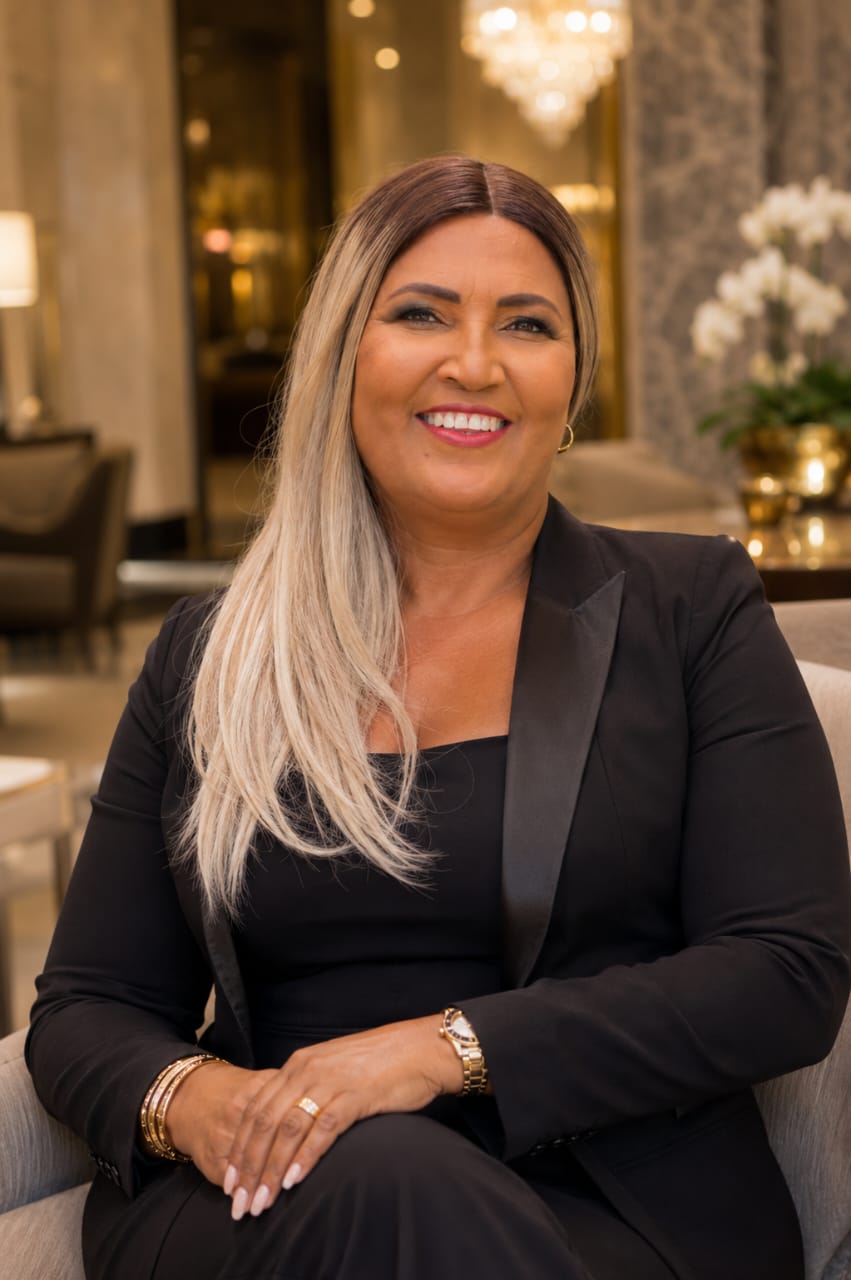
Lucinda Hughes Afzal
From Bulawayo to boardrooms across the region, a Zimbabwean humanitarian is redefining what African leadership looks like
By Anila Bukhari
Some women are recognised by their titles. Others are remembered by the lives they touch. Ambassador Lucinda Hughes Afzal belongs to both worlds — but it is the human impact behind the titles that best captures the essence of her journey.
A businesswoman, humanitarian, fundraiser, community advocate and Executive Director of the Nozizwe Mother of Nations Trust, Afzal represents a distinctive kind of African leadership: rooted in compassion, strengthened by courage, and guided by an enduring conviction that success carries greater meaning when it creates opportunity for others.
Born and raised in Bulawayo, Zimbabwe, she carries with her the values of a city and a culture that have shaped her understanding of community. At the centre of that worldview is Ubuntu — the belief that a person’s humanity is inseparable from the humanity of those around them. For Afzal, leadership has never been simply about how far one can rise. It is equally about who is lifted along the way.
The values that define her were formed long before she entered public life. Raised by a resilient single mother, with her grandmother’s influence also deeply felt, she witnessed what it means to keep building, keep caring, and keep moving forward even when circumstances are hard. Those lessons did not remain in childhood. They became the architecture of her character — shaping the way she approaches business, relationships, philanthropy, and community service.
Rather than viewing achievement as a personal destination, Afzal has consistently treated it as an opportunity to contribute to something larger than herself. That philosophy has remained visible at every stage of her professional and humanitarian journey.
She serves as Executive Director of the Nozizwe Mother of Nations Trust, an organisation founded in Bulawayo in 2018 with a clear mandate: to support vulnerable communities while protecting their dignity. The work has placed her close to some of the most pressing social needs on the continent — from education and hunger relief to disability support and children’s welfare. It demands more than compassion. It requires coordination, persistence, fundraising discipline, and the ability to convert genuine concern into practical, measurable action.
Afzal has contributed to initiatives including work at Sigola Primary School, where classroom blocks and staff accommodation are being developed to benefit the surrounding community. She has also been involved with Mustard Seed Communities, where a new children’s home has opened its doors to provide care and a safer environment for vulnerable children. These projects reflect a consistent characteristic of her leadership: a willingness to work where the need is greatest, even when that work is far removed from glamour or public recognition.
Her humanitarian interests extend beyond any single organisation. She has publicly supported the Cally Rahman Blood Drive and fundraising efforts linked to KidzCan Zimbabwe — causes that address urgent and deeply human needs. Blood donation may appear to be a straightforward act, but behind every unit is a human story: a mother facing complications during childbirth, an accident victim clinging to survival, a patient mid-treatment who depends entirely on the generosity of someone they will never meet. Afzal understands that awareness without participation changes nothing, and she has consistently worked to close that gap.
Her support for KidzCan Zimbabwe reflects the same instinct. Childhood cancer does not only affect young patients — it consumes entire families, generating emotional, financial, and practical pressures that can outlast the hospital stay by years. For Afzal, humanitarianism cannot remain an abstraction. It must become something people can see, feel, and experience through action.
Although her roots remain firmly in Zimbabwe, her vision extends well beyond national borders. As the Nozizwe Mother of Nations Trust develops partnerships across the Southern African Development Community and explores further regional engagement, Afzal has emerged as a genuinely interconnected form of African leadership. Among the areas of planned work is support for the Nazzar Foundation’s home for 52 children with special needs in Tanzania — a project that reflects her understanding that compassion requires no passport. The needs of vulnerable children and families may look different from one country to the next, but the underlying human questions remain strikingly similar: who will help, who will care, and who will show up?
Afzal has consistently chosen to be among those who do.
One of the most distinctive aspects of her story is the combination of business acumen and humanitarian purpose. She is not defined solely by philanthropy. Her experience as a businesswoman gives her a perspective that understands strategy, sustainability, resource mobilisation, and the value of a well-managed relationship. Humanitarian initiatives require more than goodwill — they need people who can build partnerships, communicate a vision, and create pathways to impact that outlast the initial impulse to help. Afzal brings that disciplined, business-minded approach into her service without losing the warmth that drives it.
For her, enterprise and humanity are not adversaries. Business can create opportunity. Networks can mobilise resources. Professional relationships can become bridges to communities that would otherwise remain unreached. When success is used responsibly, it becomes a platform from which others can rise.
Yet titles and positions tell only part of her story. Beyond the boardroom and the humanitarian brief is a woman shaped by family, culture, and the relationships she has chosen to nurture. She moves comfortably between professional environments and community spaces without losing sight of either — participating in strategic conversations while remaining conscious of the everyday realities facing ordinary families: food insecurity, education gaps, inadequate healthcare, disability support, and the wellbeing of children who have no one to advocate for them. That ability to move between worlds may be one of her most underappreciated strengths.
There is also a quieter form of leadership that receives far less attention than speeches and awards: the leadership of simply showing up. Making the call when someone needs help. Connecting a donor with a cause. Attending the fundraiser. Opening a door. Standing beside another person’s vision without needing to become the centre of the story. Afzal embodies this form of leadership with consistency and without fanfare. Her contribution does not always carry her name — but it carries her influence. Sometimes impact is simply knowing that because someone was present, something moved forward.
Titles change. Positions evolve. Awards gather dust and photographs become memories. But people remember how someone made them feel. They remember who answered when they called, who believed in them, who stood beside them when there was nothing obvious to gain. That, ultimately, may be the most meaningful measure of Lucinda Hughes Afzal’s journey — not simply what she achieved, but who is better because she was here.
Her legacy is not being built through titles or accolades alone. It is being built through people, relationships, communities, and lives quietly and steadily changed along the way. Success is beautiful. Purpose is powerful. But success that becomes a blessing to someone else — that is legacy.
Similar Posts by The Mt Kenya Times:
- Six businesses campus students can start with almost no cash
- Bikeke school leads the way on competency-based learning
- Uasin Gishu has the water: Why leaders must now turn the president’s irrigation call into food, wealth and opportunity
- From information to insight: Why AI in 2026 demands a rethink of education
- Africa’s fuel crisis crosses its own borders
About the Author