Maasai man reclaims his roots as DNA result confirms 100pc Kenyan heritage
 The Mt Kenya Times
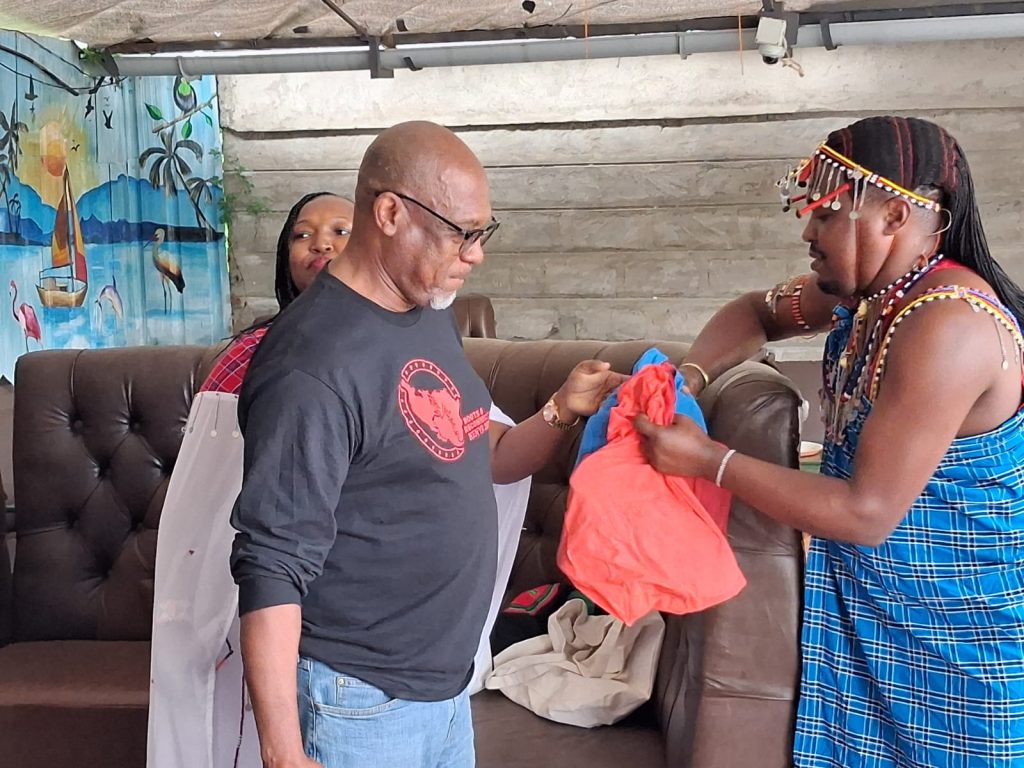
Willie Hines (R)
A cultural organisation is calling on Kenyans and people of African descent worldwide to embrace their heritage, as one man’s journey home becomes a symbol of a wider movement.
By John Kariuki
Willie Hines always suspected there was more to his story. On Friday, he found out just how much.
Hines, a man of Maasai descent, stood before members of the Roots and Reconnection Organisation and heard what a DNA test had already told him in black and white: he is 100 per cent Kenyan Maasai. For those gathered, it was less a scientific announcement than a homecoming.
“This DNA result is not just numbers. It is my name, my clan, my culture. I am Maasai, and I am proud to walk back into the embrace of my people,” Hines said at the ceremony.
The organisation’s founder and director, Dr. Lisa Aubrey, said Hines’s story is far from unique. Thousands of people across the African diaspora have been severed from their roots by slavery, migration, displacement, and the passage of time. The DNA result, she said, is one way of beginning to find the way back.
“This is not just about Willie. This is about all of us who are searching to understand where we come from so we can know who we are,” Aubrey said.
The organisation argues that culture is not a relic of the past — it is a foundation for the future. Languages, rites of passage, community values, and oral histories, it says, are the threads that hold societies together. Beyond the personal, Roots and Reconnection points to tangible benefits: stronger mental well-being, greater community cohesion, and economic opportunity through heritage tourism, the arts, and the passing of knowledge between generations.
The group is working to link diaspora members with communities in Kenya, document oral histories with elders, and build platforms for cultural education and exchange.
For Aubrey, the message is simple and urgent.
“Knowing where you come from is the first step to knowing who you are. When we reconnect to our roots, we heal, we empower, and we build stronger nations,” she said.
The organisation says it will continue working with cultural custodians and institutions to ensure more people like Hines can trace, claim, and live their heritage with pride. Its Global African Pilgrimage to Kenya is set to conclude on August 1, 2026.
Similar Posts by The Mt Kenya Times:
- KEBS wins regional trade award at East Africa construction ceremony
- ICC member states dismiss prosecutor Khan over serious misconduct
- Court convicts Obado, Oyamo and Obiero of Sharon Otieno’s murder
- Kenya’s KSh995.7 billion borrowing plan risks squeezing credit for small bus
- Business leaders and policymakers urge Kenya’s 7.4 million small enterprises to aim beyond survival
About the Author