The Mt Kenya Times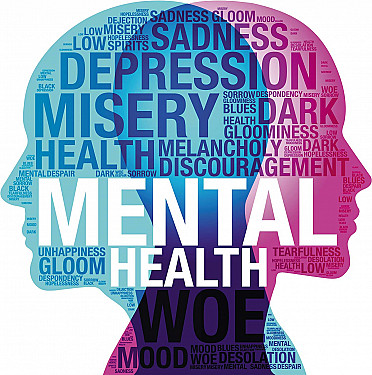
The mind and the body are inseparable, and a nation that ignores one cannot hope to sustain the other
By: Wanjohi P. Mugambi
For too long, health in Kenya and across Africa has been measured by the physical — no fever, no visible wound, therefore fine. That understanding has cost us dearly, and it is time we replaced it with something more honest and more complete.
The World Health Organization defines mental health not as the absence of illness but as a state of wellbeing in which a person realises their abilities, copes with the normal stresses of life, works productively, and contributes to their community. By that definition, mental health is not a personal achievement reserved for the privileged few. It is a foundation — for individuals, families, classrooms, workplaces, and nations.
The mind and body are inseparable. A stressed mind produces headaches, stomach problems, disrupted sleep, and weakened immunity. A healthy mind, by contrast, builds resilience, strengthens relationships, and sharpens decision-making. This is not philosophy — it is physiology. And it is why we can no longer afford to treat mental health as secondary to anything.
The factors driving poor mental health are well documented. Biological influences include genetics, brain chemistry and hormonal changes. Psychological contributors range from childhood trauma and low self-esteem to patterns of chronic negative thinking. Socially, poverty, unemployment, isolation, family conflict, bullying and academic pressure all take a measurable toll. In Kenya and across Africa, there is an additional and increasingly urgent layer: the pressure on young people to succeed visibly, to appear perfect online, and to remain silent about pain. That silence is not strength. It is a wound that goes untreated.
The most common conditions that result from unaddressed mental health struggles are stress and anxiety — persistent worry, a racing heart, an inability to settle — which, at manageable levels, serve a purpose but at chronic levels become paralysing. There is depression, which is far more than sadness: it is the loss of interest in things once loved, a pervasive emptiness, exhaustion and withdrawal from others. And there is burnout — from school, work, caregiving — that hollow feeling of being used up, cynical and unable to produce.
The greatest barrier to addressing all of this remains stigma. In many of our communities, someone struggling with their mental health is still told wewe ni mvivu — you are lazy — or jifanye mgumu — toughen up. These responses do not heal. They simply push pain underground, where it grows. Good mental health is not something one stumbles upon. It is something one builds, deliberately and consistently, with the right tools and the right support.
Those tools are accessible. Consistent sleep — seven to eight hours — restores the brain and directly reduces anxiety and irritability. Regular physical movement, even thirty minutes of walking or dancing, releases endorphins, the brain’s natural antidepressants. Human connection matters profoundly: isolation, research shows, is as harmful to health as smoking. Talking to a trusted friend, teacher, elder or counsellor is not weakness — it is wisdom. Mindful use of technology helps too. Taking breaks from screens, resisting the urge to measure your private reality against someone else’s curated public image, and deliberately curating feeds that inspire rather than drain all make a measurable difference. For many Kenyans, spiritual and cultural roots — prayer, meditation, music, storytelling, Kiswahili poetry, communal rituals — remain powerful and deeply personal sources of calm and identity. These are not quaint traditions to be discarded. They are mental health resources.
Seeking professional help is not failure. If for more than two weeks you experience persistent sadness, hopelessness, extreme anxiety, inability to sleep or eat, or thoughts of harming yourself, please speak to someone qualified to help. Reach out to a school counsellor or trusted teacher, a medical doctor or psychologist at your nearest health facility, a trusted religious leader or community elder, or a helpline in your country. If you are in immediate distress, contact a local emergency number or speak to someone near you without delay.
If you know someone who is struggling, resist the impulse to judge or offer quick reassurances. Do not tell someone in pain to simply be happy. Instead, listen without interruption. Say: “I am here. I am listening. You are not alone.” Then encourage them, gently and persistently, to access professional support.
A classroom full of anxious students cannot learn. A family in which pain goes unspoken cannot grow. A nation whose people are mentally broken cannot build. We need schools where students can speak openly, workplaces that build in genuine rest, families that know how to listen, and a culture that no longer equates struggle with shame.
Just as we teach children to wash their hands to protect their bodies, we must teach them to manage their thoughts, regulate their emotions and ask for help when they need it — because there is no health without mental health.
Similar Posts by The Mt Kenya Times:
- Diaspora Times Global Oct 17 – Oct 23, 2026
- Is social media a blessing or a curse for university students?
- Light at last: How electricity is reshaping Nandi and Uasin Gishu
- The triple squeeze: how EPRA’s fuel price hike is reshaping the survival equation for the common mwananchi
- Zelenskyy accuses Trump of rewarding Putin as Pope pleads for peace from a hospital bed
About the Author