Real Madrid coach José Mourinho
The returning Portuguese coach signals a ruthless new era at the Bernabéu as Vinicius Junior’s place comes under pressure
By Martin Weche
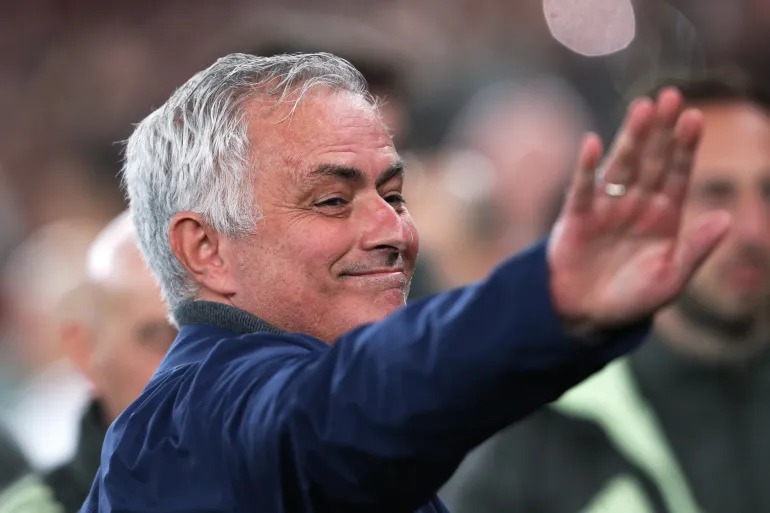
Real Madrid coach José Mourinho warned yesterday that no player at the club is guaranteed his place, singling out Brazilian winger Vinicius Junior as the squad prepares to host RB Leipzig in the Champions League.
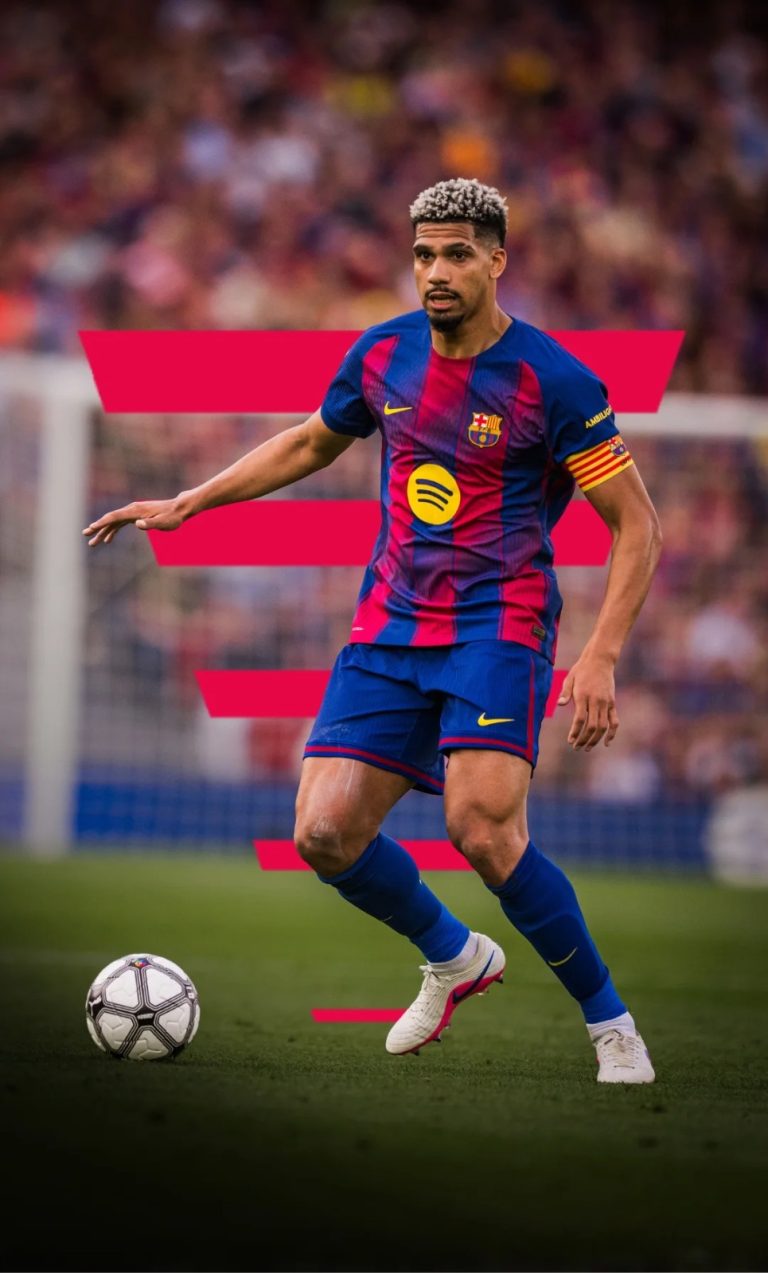
The statement landed with the precision Mourinho intended. Vinicius has endured a difficult start to the season, struggling for form and currently serving a four-match La Liga ban for hair-pulling. His absence from domestic football has coincided with the emergence of Yan Diomande, the Ivorian winger whose €140 million (approximately $157 million) transfer made him the club’s record signing. Diomande scored against Sevilla on Sunday and has done enough in recent weeks to make the question of Vinicius’s status entirely legitimate.
Mourinho addressed it without hesitation. “Only the club badge is untouchable,” he told reporters. “I don’t like the concept of untouchable players. What makes a player untouchable is not his status, the armband, his years at the club or how much was paid for him. What makes him untouchable is his performance on the pitch.”
It was a line that could have been lifted from his first spell at the Bernabéu between 2010 and 2013, when Mourinho managed with the same controlled aggression and the same willingness to make stars uncomfortable. His return to Madrid has been watched closely across European football, and comments of this kind confirm that the intervening years have not softened his approach.
Mourinho confirmed that Vinicius would start on the left wing against Leipzig, though he declined to reveal whether Diomande would also feature. The ambiguity was deliberate. Keeping players uncertain of their status is a management tool Mourinho has deployed throughout his career, at Chelsea, Inter Milan, Manchester United and beyond. The message to Vinicius is clear enough without being made explicit: form, not reputation, determines selection.
The Leipzig match carries additional context. Madrid enter it having won their opening two Champions League fixtures and will be seeking a third consecutive victory in the league phase. Domestically, however, the picture is less comfortable. They sit third in La Liga, six points behind leaders Barcelona, whom they visit on Sunday in what will be one of the most scrutinised Clásicos in recent memory given the current standings. A Madrid side rebuilding under a new coaching tenure going to Camp Nou six points adrift is a significant test of both squad depth and Mourinho’s early authority.
He was candid about how far the team remains from where he intends to take it. “A long way off,” he said. “We have been here three or four months. It is impossible to be where we want to be. We always have to improve, individually and collectively. I understand the demands at this club are the maximum. I have been here before, and so I know perfectly well how things work. I cannot lose my direction, even though I know there is a lot of work to do.”
That self-awareness distinguishes this version of Mourinho from the one who departed Madrid in 2013 amid reported dressing-room tensions and a fractured relationship with senior players. Whether those lessons have genuinely been absorbed, or whether the same patterns will eventually resurface, remains the central question hanging over his second tenure.
French defender Ibrahima Konaté offered a perspective from within the squad that suggested the early atmosphere is positive. “He is a great manager,” Konaté said. “He has this aura that not many managers have, because he does not need to speak and everyone will listen and respect him.”
That quality — command without volume — has always been Mourinho’s most underappreciated attribute. The theatrics attract attention, but the quieter authority in training and in the dressing room is what produces results. At 61, with every major European league title and three Champions League medals across different clubs, he has little left to prove to the world. What he needs to prove, and quickly, is that he can take a squad assembled for a different coach’s system and make it his own.
The Bernabéu will not wait indefinitely. But then, neither will Mourinho.
Similar Posts by The Mt Kenya Times:
- Mt Kenya Times ePAPER October 20, 2026
- Ruto rallies Kalenjin elders in Rift Valley unity push
- Sonko bid to nullify impeachment judgments fast-tracked in court
- Arrest the sponsors, not just the foot soldiers, Kalonzo tells police
- Police and politics shut down Kitale’s busiest market
About the Author