Moving Forward: The Call for Unity and Integrity in Kenya’s Political Landscape
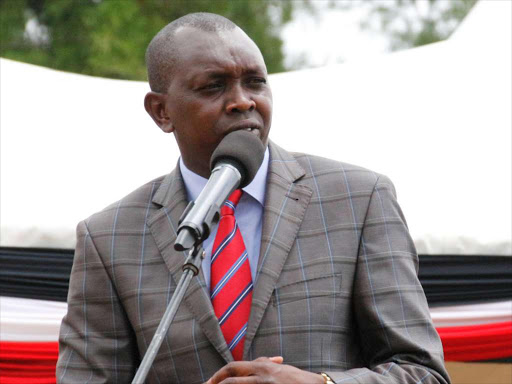
Kapsaret MP Oscar Sudi

By: James Kilonzo Bwire
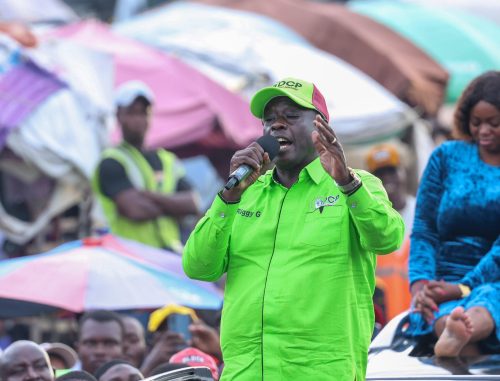
In the wake of rising political tensions in Kenya, Kapsaret MP Oscar Sudi’s statements serve as a critical reflection on the current state of the opposition and the broader political dynamics at play. His critique of the ODM party and its members underscores a pressing need for unity and selflessness among political leaders. As Kenya navigates these turbulent waters, it is imperative that politicians prioritize the collective good over personal ambitions.
Sudi’s comments resonate with many Kenyans who are increasingly frustrated with the self-serving behaviors exhibited by some politicians. His assertion that certain individuals lack genuine support for ODM’s role in the government highlights a disconnect between political leaders and the electorate. This disconnect is detrimental to the democratic process and undermines the trust that citizens place in their leaders.
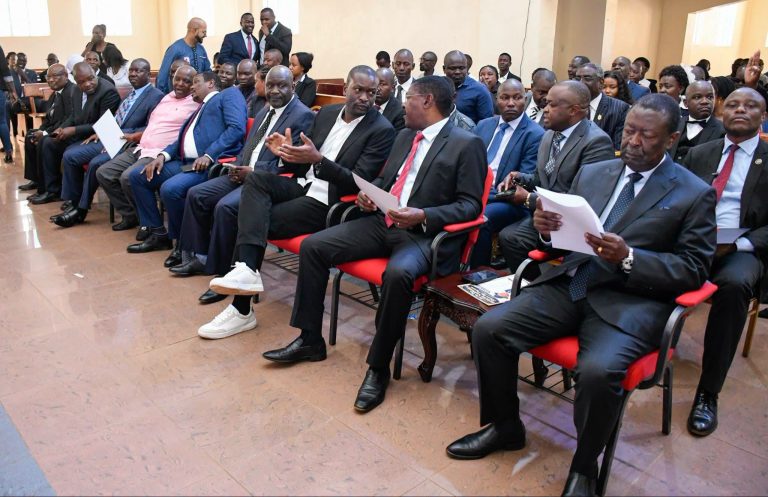
The shifting political landscape, particularly with ODM members now participating in President William Ruto’s administration, reveals a complex interplay of interests. Sudi’s call for unity among opposition members is particularly relevant as the Azimio coalition grapples with internal divisions. These divisions threaten to weaken the opposition’s effectiveness at a time when a cohesive front is essential for holding the government accountable.
Moreover, Sudi’s emphasis on respect among leaders points to a broader need for collaborative governance. In a democracy, leaders must work together to address the pressing issues facing the nation, rather than allowing personal rivalries to dictate their actions. This collaborative spirit is crucial for fostering an environment where all Kenyans feel represented and heard.
The recent unrest in Kenya, which Sudi claims was part of a calculated plot to destabilize the government, further complicates the political climate. His allegations suggest that some politicians may be using unrest for their own gain, manipulating public sentiment to further their agendas. This manipulation not only endangers the stability of the government but also jeopardizes the livelihoods of ordinary Kenyans.
As Sudi reflects on the destruction caused by protests, including the loss of his entertainment venue, he highlights the far-reaching consequences of political unrest. The impact on local businesses and communities cannot be overstated; when political ambitions lead to violence and destruction, it is the everyday citizen who bears the brunt of the fallout.
Moving forward, it is essential for political leaders to adopt a more responsible and inclusive approach to governance. Sudi’s call for a united front, particularly in support of Kalonzo Musyoka, reflects a desire for a more cohesive strategy to challenge the ruling government effectively. This unity is not just about political survival; it is about ensuring that the voices of all Kenyans are represented in the decision-making process.
The challenges facing Kenya’s political landscape are significant, but they are not insurmountable. By prioritizing integrity, accountability, and collaboration, leaders can work towards a more stable and prosperous future. The emphasis on selflessness and respect among leaders is not merely a lofty ideal; it is a necessary foundation for a healthy democracy.
In conclusion, Oscar Sudi’s statements encapsulate the urgent need for political leaders in Kenya to reflect on their roles and responsibilities. As the nation grapples with complex challenges, the call for unity and integrity must resonate throughout the political sphere. By fostering a culture of collaboration and respect, Kenya can move towards a more inclusive and effective governance model that truly serves the interests of all its citizens. The path forward requires commitment from all political actors to prioritize the common good over individual ambitions, ensuring that the democratic process remains robust and representative.
James Kilonzo Bwire is a Media and Communication Practitioner.
Similar Posts by The Mt Kenya Times:
- Mt Kenya Times ePAPER October 23, 2026
- Ruto’s parting COMESA call: Remove the barriers, honour the commitments
- Direct hospital access to KEMSA cuts drug delays, says PS
- Africa can’t wait: Continent seeks $1 trillion for climate adaptation
- Ruto passes the baton as Africa’s trade bloc faces a fragmenting world
About the Author