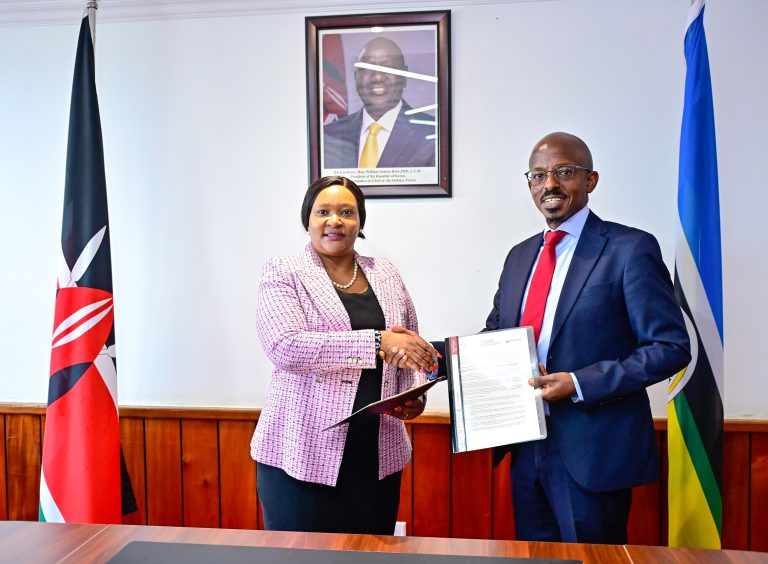
National Museums of Kenya and ICCROM Launch Kenya Youth Heritage Hub and Jenga IT Hub at Nairobi National Museum
 The Mt Kenya Times
The Nairobi National Museum of Kenya
By Cynthia Masibo
Worth Noting:
- Speaking at the launch, NMK’s Director General highlighted the transformative potential of this initiative. “The Kenya Youth Heritage Hub and Jenga IT Hub represent a pivotal step in our ongoing efforts to engage young people in the preservation and promotion of our rich cultural heritage. By providing them with the tools and skills they need to innovate and create, we are not only preserving our past but also investing in our future,” she stated.
- Gujral echoed these sentiments, emphasizing ICCROM’s commitment to supporting youth-led initiatives across Africa. “The Youth. Heritage. Africa Programme is about more than just preservation; it’s about enabling young people to see the potential in their heritage and empowering them to create new opportunities for themselves and their communities.

In a recently held landmark event, the National Museums of Kenya (NMK) in collaboration with the International Centre for the Study of the Preservation and Restoration of Cultural Property (ICCROM) inaugurated the Kenya Youth Heritage Hub (KYHH) and officially opened the Jenga IT Hub, Nairobi Chapter at the Nairobi National Museum.
This initiative is part of ICCROM’s broader Youth.Heritage.Africa Programme, which aims to engage youth across the continent through innovative and creative avenues, positioning cultural heritage as a cornerstone for economic and social development. The event was graced by the esteemed presence of ICCROM’s Director General, Ms. Aruna Francesca Maria Gujral, who served as the Guest of Honour.
The establishment of KYHH marks a significant step forward in the ongoing efforts to preserve and promote Kenya’s rich cultural heritage. This initiative seeks to transform heritage into a dynamic and living resource that not only preserves the past but also fosters contemporary creativity and economic growth. The hub in Nairobi joins a network of similar centers in Rwanda, South Africa, Egypt, and Zimbabwe, which collectively aim to empower young Africans by providing them with the skills and opportunities to thrive in the modern world.
The Jenga IT programme, a key component of KYHH, is designed to provide comprehensive training to its first cohort of 22 youth participants over a six-month period. This training encompasses a wide range of disciplines, including fashion, performing arts, visual arts, and entrepreneurial skills such as proposal writing. By equipping young Kenyans with these diverse skills, the programme aims to foster both personal and professional development, enabling participants to contribute meaningfully to the creative economy.
Speaking at the launch, NMK’s Director General highlighted the transformative potential of this initiative. “The Kenya Youth Heritage Hub and Jenga IT Hub represent a pivotal step in our ongoing efforts to engage young people in the preservation and promotion of our rich cultural heritage. By providing them with the tools and skills they need to innovate and create, we are not only preserving our past but also investing in our future,” she stated.
Ms. Gujral echoed these sentiments, emphasizing ICCROM’s commitment to supporting youth-led initiatives across Africa. “The Youth. Heritage. Africa Programme is about more than just preservation; it’s about enabling young people to see the potential in their heritage and empowering them to create new opportunities for themselves and their communities. We are proud to support the Kenya Youth Heritage Hub and look forward to seeing the incredible work that will emerge from this initiative,” she said.
The event was attended by a diverse group of stakeholders, including representatives from several embassies and corporate institutions. Their presence underscores the broad support and collaborative spirit behind the initiative, highlighting the importance of multi-sectoral partnerships in promoting cultural heritage and youth empowerment. This broad base of support is crucial for the sustainability and success of the hub, ensuring that it has the resources and backing needed to make a lasting impact.
In addition to the Nairobi hub, other youth heritage hubs are already up and running in Lamu, Ileret, Fort Jesus, and the Swahili Pot. These hubs provide spaces where youth can explore their cultural heritage, collaborate on creative projects, and gain valuable skills that will serve them well in the future. By fostering a network of such hubs across the country, NMK and ICCROM are creating a robust platform for youth engagement and empowerment.
The Jenga IT Hub in Nairobi is particularly noteworthy for its focus on integrating technology with the arts. Participants will have access to state-of-the-art facilities and resources, enabling them to experiment with new media and digital tools. This integration of technology is essential for ensuring that Kenya’s cultural heritage is preserved and promoted in ways that are relevant to the digital age.
In her remarks, Ms. Gujral highlighted the importance of this integration. “Technology offers us new ways to engage with our heritage, to tell our stories, and to reach broader audiences. By incorporating digital tools and techniques into the training programme, the Jenga IT Hub is helping to ensure that Kenya’s cultural heritage is not only preserved but also made accessible and engaging for future generations,” she said.
The launch of KYHH and Jenga IT Hub is a testament to the power of collaboration and the importance of investing in the next generation. As Kenya continues to celebrate and safeguard its cultural heritage, initiatives like these ensure that this heritage remains a source of inspiration and opportunity for years to come.
Similar Posts by The Mt Kenya Times:
- Mt Kenya Times ePAPER October 27, 2026
- Sifuna draws hope from Serbia and Brazil as Kenya’s 2027 race heats up
- Uhuru calls for unity as he marks 65th birthday
- Kenya establishes international crimes division: Justice delayed, but will it be delivered?
- World marathon champion Jepchirchir suspended in fresh blow to Kenya’s clean sport drive
About the Author