Navigating Challenges: The Kenyan-Led Security Mission In Haiti And The Path To Lasting Stability
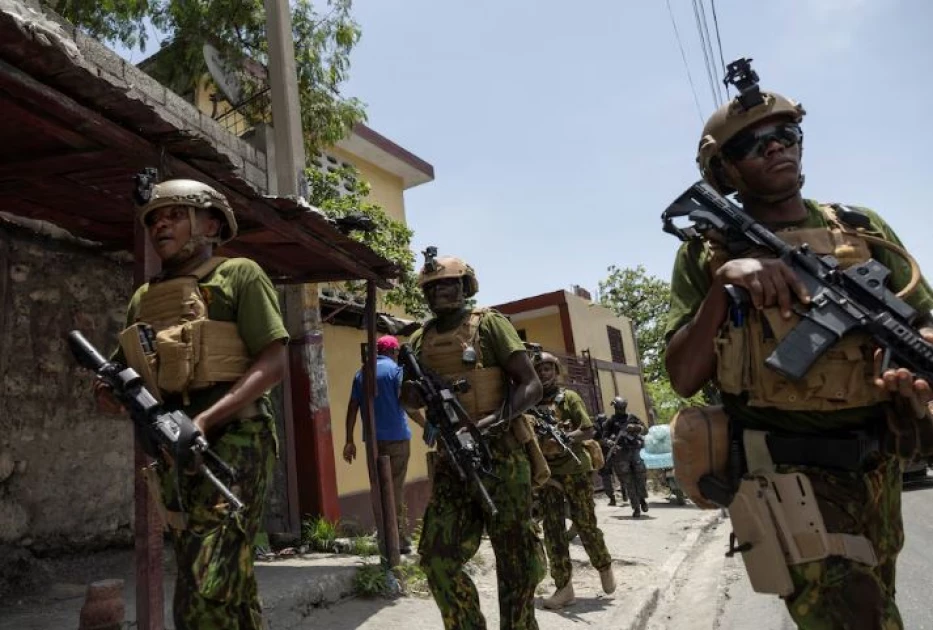
Kenyan Police Officers Deployed In Haiti

By: James Kilonzo Bwire
The Kenyan-led Multinational Security Support Mission (MSS) in Haiti marks a crucial juncture for international intervention in a nation plagued by violence and instability. As the mission progresses, it is essential to evaluate its impact and the challenges it faces.
The MSS has been tasked with restoring security and controlling critical infrastructure in Haiti, where armed gangs have wreaked havoc, leading to thousands of homicides and kidnappings this year alone. The urgency of this situation cannot be overstated; the Haitian government and civil society have long called for international assistance to address the escalating violence. The UN Security Council’s resolution to authorize this mission was a response to a dire need for stability.
Despite initial successes, the mission encounters significant hurdles. Funding shortfalls are a major concern, with the UN’s dedicated trust fund falling far short of its required budget. The United States, as the largest financial backer, has pledged substantial support but has also highlighted the need for more contributions from other nations. Without adequate funding and personnel, the mission’s objectives may remain unfulfilled.
Moreover, accountability is paramount. The history of foreign interventions in Haiti is marred by human rights abuses and a lack of oversight. The UN resolution calls for compliance mechanisms to prevent violations, yet skepticism remains regarding their effectiveness. The Kenyan police force leading this mission has its own record of abuses, raising concerns about how they will be held accountable for their actions on the ground.
Collaboration with local authorities and civil society is vital for the mission’s success. Trust must be built between the international forces and the Haitian people. Engaging local communities will ensure that peacekeeping efforts are not merely imposed but are genuinely supported by those they aim to protect.
As the UN General Assembly approaches, world leaders must prioritize not only the renewal of the MSS mandate but also commit to providing necessary resources and establishing robust accountability measures. A sustainable approach requires addressing Haiti’s underlying socio-political issues rather than just focusing on immediate security concerns.
Haiti deserves more than temporary fixes; it needs a comprehensive strategy that fosters long-term stability and development. This includes supporting democratic governance and facilitating free elections, which have not occurred since 2016. The establishment of a Transitional Presidential Council is a step in the right direction, but it requires international backing to succeed.
The MSS can serve as a catalyst for change if it operates transparently and inclusively. By involving Haitian stakeholders in decision-making processes, the mission can help create an environment conducive to lasting peace and development.
Additionally, a significant aspect of this mission involves addressing humanitarian crises exacerbated by gang violence. Nearly 580,000 people have been internally displaced due to ongoing conflict, with close to 5 million facing severe hunger conditions. This humanitarian aspect must be integrated into security strategies to ensure that aid reaches those most affected.
Kenya’s experience in combating terrorism along its borders may offer valuable insights into tackling gang violence in Haiti; however, adapting these strategies requires sensitivity to local contexts. Historical patterns indicate that overly militarized approaches can lead to further destabilization rather than resolution.
Furthermore, coordination with existing UN entities in Haiti is essential for maximizing resources and efforts. The United Nations Integrated Office in Haiti (BINUH) has mandates that align with MSS objectives; thus, collaboration can prevent duplicative efforts and enhance overall effectiveness.
The complexities of Haiti’s crisis necessitate a broader political strategy that encompasses economic development alongside security measures. International actors must recognize that sustainable peace cannot be achieved through military means alone but requires investment in education, healthcare, and infrastructure.
As discussions at the UN General Assembly unfold, it is crucial for member states to reaffirm their commitment not only to funding but also to ensuring that human rights are upheld throughout the MSS operation. Robust human rights due diligence policies should be implemented by all troop-contributing countries.
In conclusion, while the Kenyan-led MSS in Haiti presents an opportunity for positive change, it must be approached with caution and commitment. The international community has a responsibility to ensure that this mission does not repeat past mistakes but instead lays the groundwork for a stable and prosperous Haiti. Only through sustained engagement, adequate funding, accountability, and collaboration can we hope to see real progress in this beleaguered nation.
The path forward is fraught with challenges but also filled with potential if approached thoughtfully. It is imperative that all stakeholders remain vigilant and proactive in their efforts to support Haiti during this critical time.
James Kilonzo Bwire is a Media and Communication practitioner.
Similar Posts by The Mt Kenya Times:
- Mt Kenya Times ePAPER September 19-20, 2026
- Kenya joins US and UK to put citizens on the terrorism frontline
- Kenya’s parliament races to tame the AI frontier
- Kalonzo calls Ruto to order over Uhuru attacks
- Gachagua takes his 2027 campaign to America
About the Author