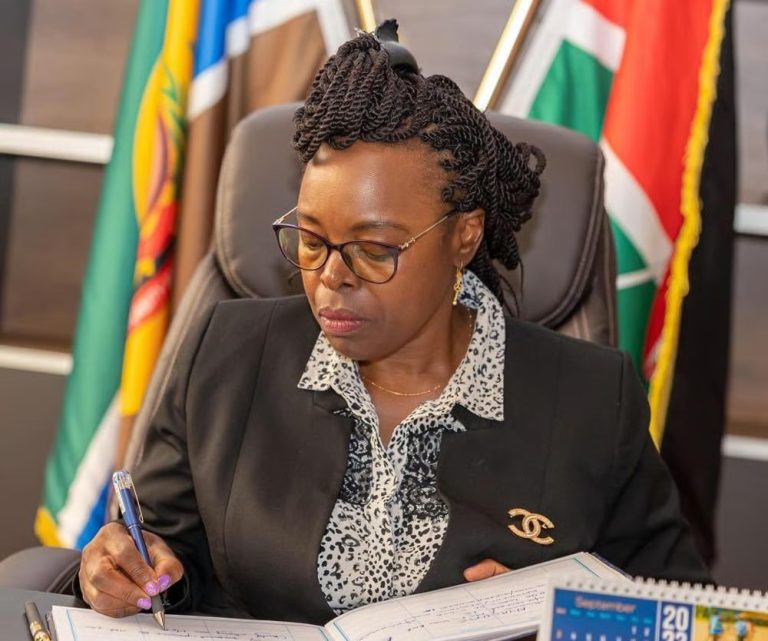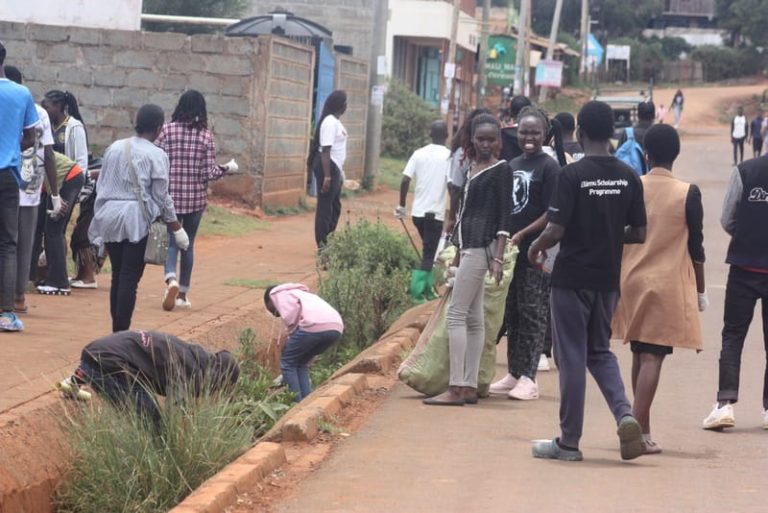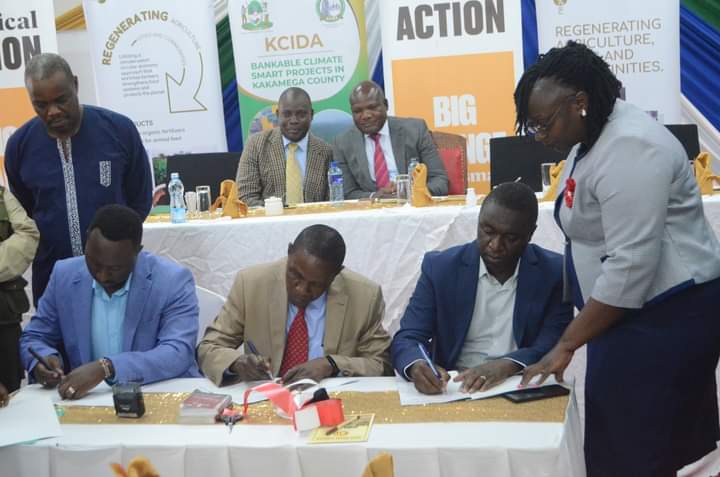

The Kakamega County government has signed a Memorandum of Understanding (MOU) with Practical Action and Regen Organics on collection and management of waste.
Regen organics, an agricultural engineering group, is establishing an organic fertiliser plant at Matawa in Mumias West that is expected to convert waste into organic fertiliser.
The two partners are also expected to establish Material Recovery centres across the county that will process waste that is generated in Kakamega.
Kakamega Governor Fernandes Barasa said the MOU embodies the shared commitments on issues of sustainable waste management.
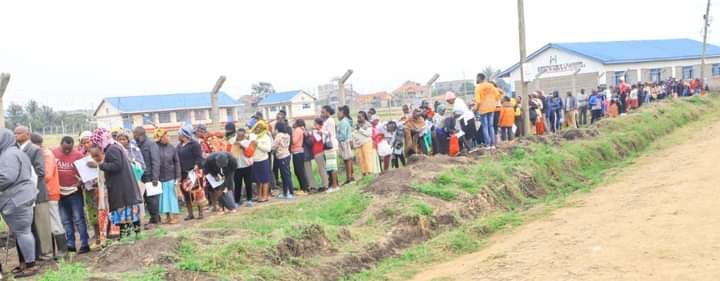 About 40,000 underprivileged students in Ruiru, Kiambu County, are set to benefit from Sh80 million in bursaries provided by the National Government Constituency Development Fund (NG-CDF). The funds provide much-needed relief to thousands of parents who are facing financial difficulties in raising school fees due to the challenging economic conditions in the country.
Ruiru MP Simon King’ara announced that they had set aside Sh80 million for bursaries; with the amount being insufficient given the large number of deserving and needy applicants. Ruiru is the most populous constituency, boasting a population of over 700,000 residents.
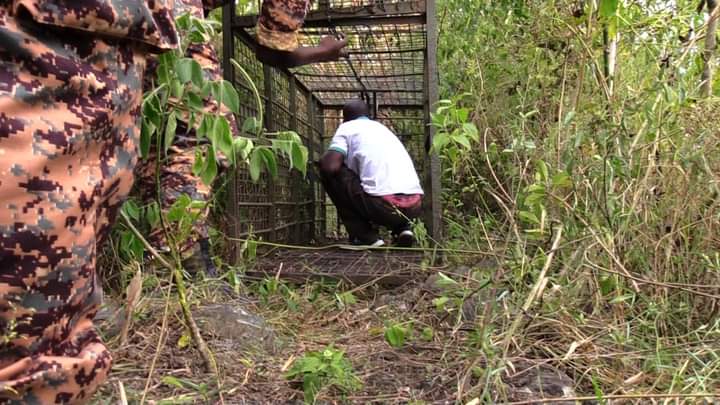 Kenya Wildlife Service personnel in Migori have set up traps to capture hyenas that have been terrorising residents of Lichota-Suna West Sub County.
The operation, coordinated by Kenya Wildlife Services officials and residents, aims to trap and capture hyenas that have been straying from the Lichota forest and preying on domestic animals.
Elphas Wasike, a resident of the Lichota area, reported that the hyenas have created fear among the community and posed a danger to school-going children.
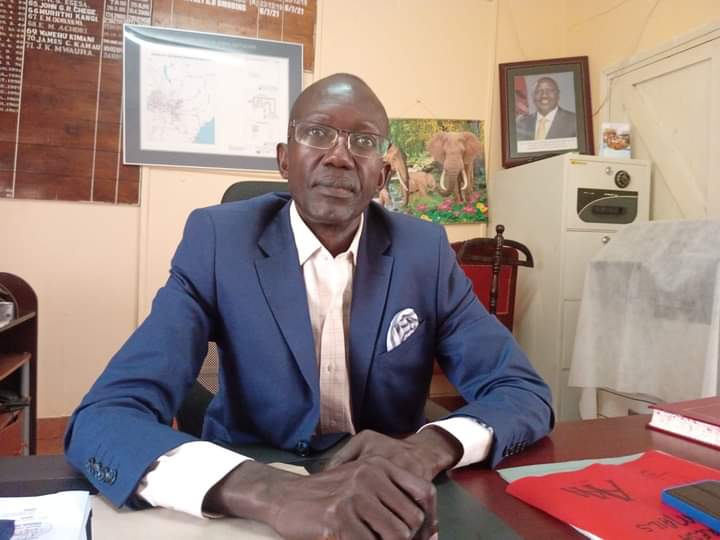
Isiolo County Commissioner, Geoffrey Omoding has urged area residents to practice restraint and desist from taking law into their hands when aggrieved.
Reacting to chaos that erupted during the election of a new board for the Northern Rangelands Trust (NRT) at the end of the week, Mr. Omoding said it was unfortunate that lack of restraint during the event led to loss of one life.
“Something very unfortunate happened during the NRT board elections where one person lost his life and another person who was seriously injured is still healing from gunshot wounds,” Omoding said.
Condemning the people who took the law into their hands, Mr. Omoding said that the security organs will ensure the culprits were prosecuted.
 Senior staff of the Machakos County Executive including County Executive Committee Members (CECM) and Chief Officers (COs) are set to undergo 100 days of training on corruption prevention by the Ethic and Anti-Corruption Authority (EACC) in a bid to improve transparency and accountability in the County’s service delivery to the residents.
The training, that is the brain child of Governor Wavinya Ndeti, is to curb corruption cases in the County and improve on transparency and handling of the County’s public and private assets.
The EACC Commissioner Colonel Alfred Mshimba while speaking during a joint briefing with the Governor at the Governor’s office in Machakos, said that the proactive approach of training the Executives is set to improve integrity and prevent corruption.
“At EACC we believe that prevention is better than cure and we are here to work together and seal all loopholes in areas that are prone to corruption and that training is collaborative,” said Mshimba.
The Governor on her part sent a stern warning to public officials against engaging in corrupt practices and urged them to cooperate with the EACC team in improving service delivery and the reputation of Machakos county.
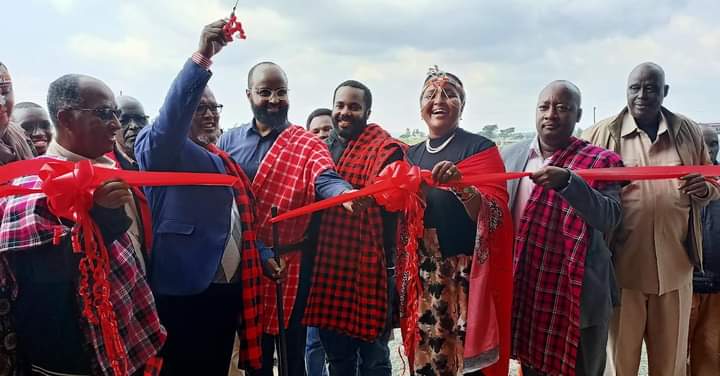
The Kenya Red Cross Society Secretary General, Dr. Idris Ahmed, announced that the Red Cross and the Red Crescent movement will set up the first international field school in Africa and the second in the world to be domiciled at the Kenya Red Cross offices in Lkuroto village in Samburu West Sub County.
The school will equip international and local staff with the skills to deliver humanitarian relief assistance and design projects for communities, including water and food security.
The school is expected to host two-week international training per quarter, with trainees supporting local communities in health outreaches, water system design, and veterinary issues.
Similar Posts by The Mt Kenya Times:
- SUPKEM calls for political cooperation over division
- Miano hails Sofy Unicharm launch as win for women and local industry
- Kenya’s clean energy push hinges on quality standards, says Kinyanjui
- Mt Kenya Times ePAPER October 14, 2026
- Kalonzo takes Kenya’s economic case to London
About the Author