
Sovereign Wealth Fund marks Kenya’s defining economic milestone, says engineer Mwangi
 The Mt Kenya Times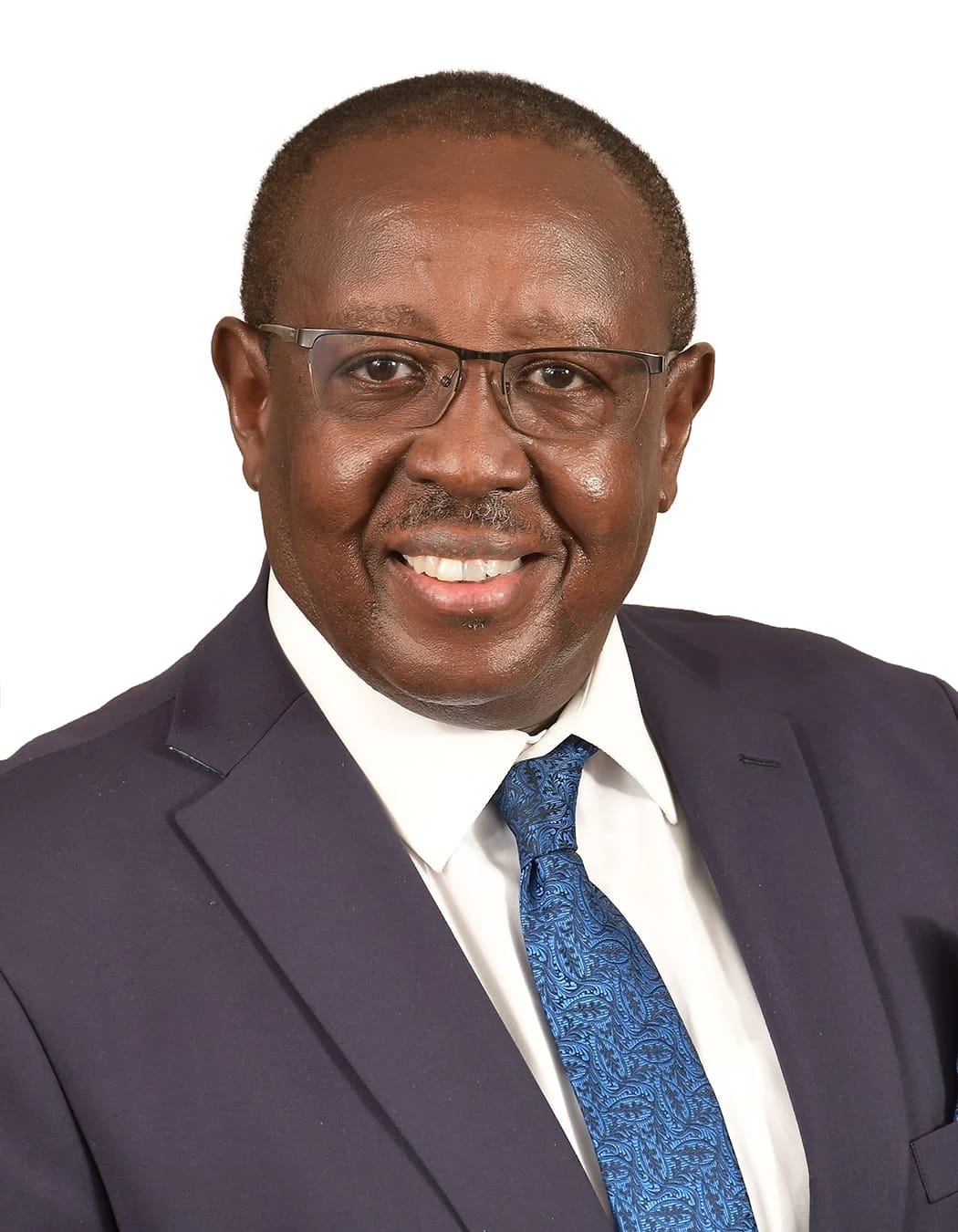
Eng. James N. Mwangi
Eng. James N. Mwangi calls the new law a blueprint for turning resource wealth into lasting national prosperity
By John Kariuki
President William Ruto has signed the Sovereign Wealth Fund Act, 2026, into law, a move economists and industry leaders are calling one of the most consequential economic reforms in Kenya’s modern history. Beyond creating a legal framework for safeguarding national wealth, the legislation sets out to convert finite natural resources into enduring prosperity for current and future generations.
Among those welcoming the law is James N. Mwangi, chief executive officer of Kurrent Technologies and a veteran of Kenya’s energy and infrastructure sector, who describes its enactment as “a defining milestone in Kenya’s economic evolution.”
Mwangi says the timing is significant, coming as Kenya prepares to scale up commercial exploitation of crude oil, strategic minerals and other extractive resources. “The actualisation of the Sovereign Wealth Fund has taken quite some time. No doubt, it is a very major milestone for Kenya,” he said. “It comes at exactly the right time when our country is preparing for more comprehensive exploitation of natural resources. Nations that succeed over generations are those that convert temporary resource revenues into permanent national wealth.”
The Act establishes three components: a Future Generations Fund (Urithi), which ring-fences 30 percent of petroleum and mineral revenues for future Kenyans; a Stabilisation Fund, designed to cushion the economy during shocks; and a Strategic Infrastructure Investment component, which channels resources into priority development projects. For Mwangi, the structure marks a clear break from Kenya’s traditional approach to public finance, in which resource revenues have typically funded immediate consumption rather than long-term investment.
“When Kenya begins producing and selling crude oil commercially and realising greater value from its mineral wealth, we must avoid the temptation of spending all the proceeds immediately,” he said. “A significant portion should be invested prudently through the Sovereign Wealth Fund so that the wealth created today continues generating income for future generations.”
He draws comparisons with established sovereign wealth models in Norway, the United Arab Emirates, Singapore and Botswana, where resource revenues have been converted into diversified investment portfolios that continue funding national development long after the underlying resources decline. Ruto himself cited Norway’s model during the signing ceremony, noting its fund has grown to roughly KSh280 trillion over three decades.
Mwangi warns that resource-rich countries often fall victim to the so-called “resource curse,” where abundant natural wealth fails to translate into broad-based prosperity due to weak governance and short-term consumption. “The Sovereign Wealth Fund is essentially an insurance policy against that risk,” he said. “It creates discipline in the management of resource revenues by ensuring that part of today’s wealth is preserved and invested instead of being exhausted. That is how nations build lasting prosperity.”
He singles out the Future Generations Fund’s enhanced legal protections against borrowing or political interference as one of the law’s most important provisions. “Every generation has a responsibility to leave behind stronger institutions and greater opportunities than it inherited. The Future Generations Fund embodies that principle.”
Mwangi also points to recent disruption in global energy markets, including tensions around the Strait of Hormuz, as evidence of the need for stronger domestic financial buffers. “Global conflicts can interrupt shipping routes, raise energy prices and affect the cost of living almost overnight,” he said. “We need to become more self-sustaining. The Sovereign Wealth Fund is one of those strategic mechanisms because it provides reserves that can help stabilise the economy when international markets become volatile.”
He welcomes the accompanying Stabilisation Fund as a fiscal tool for responding to pandemics, commodity price shocks and climate-related emergencies, arguing that modern economies must build resilience alongside growth. “It is no longer sufficient for countries simply to pursue economic growth. They must also prepare for uncertainty,” he said.
Mwangi stresses that the fund’s credibility will ultimately rest on governance. “Transparency, professionalism, accountability and insulation from short-term political pressures are what distinguish successful sovereign wealth funds from unsuccessful ones,” he said, encouraging Kenya to benchmark its practices against the internationally recognised Santiago Principles.
He believes a professionally managed fund will also strengthen investor confidence. “It sends a strong signal to investors that Kenya is thinking beyond annual budgets. It demonstrates confidence in the future and commitment to responsible stewardship of national resources.”
Mwangi separately welcomed the National Infrastructure Fund, established earlier in March 2026, describing sustained investment in transport corridors, energy systems, industrial parks, housing, water and digital connectivity as essential to attracting private capital and driving industrialisation. “Infrastructure is not merely about roads and buildings,” he said. “It is about creating the economic platform upon which businesses can grow, industries can expand and jobs can be created.”
He commended the legal safeguards built into the fund’s governance, including competitive recruitment of board members and restrictions on speculative investment, arguing that international investors are increasingly drawn to countries demonstrating institutional stability and disciplined financial management.
If managed with integrity and professionalism, Mwangi believes the Sovereign Wealth Fund could become one of the most transformative economic institutions in Kenya’s history. “The objective should never simply be extracting resources,” he said. “The objective is converting natural resources into human capital, infrastructure, innovation and intergenerational prosperity.”
Eng. James N. Mwangi is a Fellow of the Institution of Engineers of Kenya and a Registered Consulting Engineer and Accredited Checker with the Engineers Board of Kenya.
Similar Posts by The Mt Kenya Times:
- Dr. Ekrah Ndung’u wins TVET advocacy award after 12 years
- Mt Kenya Times ePAPER October 17-18, 2026
- Ruto bets billions on Kerio Valley — with one eye on 2027
- Ruto’s health ministry kills Murang’a’s digital hospitals
- Kenya bets on Mount Kenya to drive a billion-shilling tourism revival
About the Author


Insightful read. I particularly appreciate your emphasis on good governance and the need to shield the Fund from political interference to ensure its long-term success.