
Ministry of Agriculture and Livestock Development is implementing the De-Risking, Inclusion and Value Enhancement (DRIVE) project for pastoral economies, aiming to benefit 125,000 households. The project, a partnership with private sectors like ZEP-RE insurance and Kenya Development Corporation, aims to enhance access to financial services for livestock farmers, facilitate livestock traders, and include marginalized groups like women. Representatives from nine counties were sensitized to the project’s financial products, including insurance, savings, incentives, and digital platforms. The project aims to build resilience and increase income for pastoralists, reducing their vulnerability to poverty and climate-related expenditures. The expected outcomes include increased drought resilience, stable market prices, increased access to formal financial services, private sector investment in the livestock value chain, and reduced conflicts and enhanced cross-border trade.
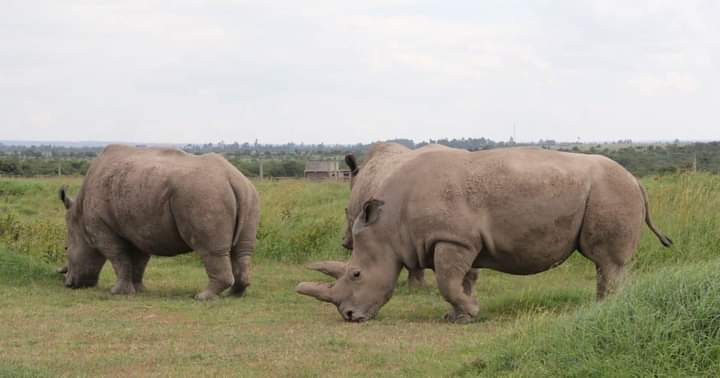 Kenya’s Olpejeta conservancy is facing a crisis as the population of endangered black rhinos continues to grow rapidly. The conservationists are now seeking new ecological spaces to accommodate the growing population. Olpejeta has an excess of 40 black rhinos, exceeding its normal rate of 120. Key sanctuaries in Kenya have reached their carrying capacity, and Olpejeta has an excess of 40. The community’s commitment to conserving the species has not been reported in the past six years, thanks to their intelligence and good relationships with the park. The translocation of the rhinos is a sensitive affair, as they are sedated and revived, posing greater danger to the species.
 The Built Environment Report 2023 by the Architectural Association of Kenya (AAK) highlights the construction industry’s challenges and achievements. The report shows an influx of projects, with the National Construction Authority receiving 4,770 applications from January to October 2023, with 70.3% of these successfully registered. Residential development constituted the majority, accounting for 54 percent of the total applications. However, the sector faces significant challenges, including escalating construction costs. The cost of construction surged from Sh 34,650–77,500 at the beginning of 2023 to Sh 41,600–100,800 by December 2023, largely due to increased costs of construction materials and fuel. The devalued currency and land rates have also increased, threatening the achievement of affordable housing. The lack of essential planning and legal frameworks contributes to haphazard developments in urban areas. AAK surveyed its members to gauge the efficiency of various counties in granting development control applications. The survey revealed that delays in construction permits are not inherent to the systems or external factors but result from human actions and oversights. The Affordable Housing Programme (AHP) has been AAK’s focus since its inception under the Big Four Agenda.
 Journalists and Civil Society Organisations in Kenya have emphasised the importance of Civic Space, stating that both are independent entities with complementary mandates to ensure transparency and accountability of the government. They are tasked with ensuring the public has access to truthful and credible information. The Kenya Correspondents Association (KCA) Chairperson, Oloo Janak, highlighted the need for transparency, accountability, and citizen participation in good governance. The increasing penetration of ICT, such as Artificial Intelligence (AI), presents new opportunities and challenges for both civil society and the media. The Media Council of Kenya (MCK) Director, Christine Nguku, emphasised the need for reform and reinforcement of the legal framework governing media operations, urging the development of transparent regulations to protect journalists’ rights and hold the media sector accountable. The conference aimed to consolidate efforts to build a strong press ecosystem in Kenya, including alliances between media, CSOs, and the government, access to information, and the security, wellbeing, and protection of journalists and whistleblowers.

The government has pledged to make Technical Vocational Education and Training (TVET) accessible and affordable to the country’s youth, enabling them to acquire competent technical skills that will enable them to become employers rather than job seekers after graduation. Education Cabinet Secretary Ezekiel Machogu announced the rollout of the Competency Based Education and Training (CBET) in September, aiming to equip trainees with practical competencies aligned with industry requirements. The dual training approach, where trainees learn 70% in the industry and 30% in the classroom, will boost their competency and help solve the problem of unemployment. The government has also launched the New Funding Model (NFM) to make TVET more accessible and affordable. The Ministry of Education will continue to make funding available to Kenyan youths who aspire to join public TVET institutions, as TVET institutions are encouraged to broaden their revenue streams to boost their liquidity. The TVET sector remains a significant area of concern for the current Administration, as reforms in this sector will ensure the efficiency, quality, and relevance of the skills offered. The Ministry of Education will continue to ensure that service providers in the TVET sector conform to stipulated standards and provide competitive and high-standard training.
 The Council of Governors (COG) is prioritising policies to facilitate license acquisition, pass laws and regulations promoting business growth, and foster a supportive culture among county staff across all 47 devolved units. The COG has affirmed its commitment to support the private sector through business and economic development programmes, aiming to help businesses thrive and nurture new ones. Governor Susan Kihika has highlighted the progress made in supporting Micro, Small and Medium Enterprises (MSMEs), with initiatives ranging from funds to tax incentives, policy reforms, automation of services, financial inclusion, and infrastructure development. County governments should support businesses in connecting to markets, promoting innovation and technology use for competitiveness, and creating jobs in the private sector. The sector, comprising 24% of GDP, 90% of private enterprises, and 93% of the labour force, is crucial for achieving national development goals in Kenya Vision 2030. However, despite the potential of MSMEs for wealth creation, job creation, and youth and women’s empowerment, the smallest firms collapse within their first three years. The Kenya Small Firm Diaries study posits that small firms should be treated as a unique segment, different from microfirms and larger firms with specialised managerial capacities.
 Machakos County has been put on high alert for a possible cholera outbreak due to El Nino rains. Deputy Governor Francis Mwangangi has called for high hygiene standards to prevent the disease’s spread. A multi-sectoral team has been set up to assess and monitor the outbreak. The county is committed to tackling any cholera-related challenges. Mwangangi ordered repairs to all leaking raw sewage in Machakos town within 24 hours to prevent cholera. County Secretary Dr. Muya Ndambuki announced that all levels four hospitals across the county have been activated to deal with any cholera outbreak. At least five beds have been put on standby in each level four facility to treat cholera patients in case of an outbreak. County Executive Committee Member for Health, Dr. Daniel Yumbya, urged residents operating food businesses to maintain high hygiene levels and ensure safe drinking water. No cases have been reported so far, but the county is on high alert to tackle any outbreak.
 The Ministry of Agriculture and Livestock Development has invited primary school pupils in eastern and western tea-growing areas registered in the rebranded 4-K clubs to participate in the 4K Clubs Crea-Tea-Ve Challenge competition. The competition, titled “Championing Youth Involvement in Kenya Tea,” will feature three categories: digital creation, value addition, and new product development. The competition aims to involve teachers in primary schools and expose young learners to the tea industry, building a positive attitude towards the tea sector in western and eastern tea-growing areas. The competition will involve students in various forms of expression, including poems, songs, art, skits, digital content creation, and cookery. The Ministry of Agriculture has about 1,250 registered 4-K clubs in primary schools, with an estimated membership of over 70,000 countrywide. The re-launching of the clubs was aimed at bringing more youth into food production and ensuring continuity in food production. The 4-K clubs are expected to provide a holistic approach to positive youth development at home, school, and in the community.
 Kenyans are being advised to purchase cooking gas from legitimate merchants to avoid fire accidents caused by substandard products. The head of the fire brigade in Kirinyaga County, Shunjaa John Kiama, urged residents to avoid buying gas from local vendors, especially during the festive season when unscrupulous traders may take advantage of increased demand. Kiama said that at least 80% of fire accidents occurred in the kitchen due to the quality of the gases in the local market. He called for residents to be cautious during fire outbreaks and call fire experts to prevent more damage and save lives and property. Kiama blamed backdoor gas dealers for exposing unsuspecting customers to risks and warned that the law would catch up with them if they failed to register with the fire department and energy regulation authority. He also called on national government bodies to be vigilant against traders who are taking advantage of Kenyans and selling substandard equipment, causing big losses to Kenyans and their properties. Tenant Wambui Nyaga, from Karia Kirinyaga central constituency, described a gas cylinder leak that caused her house to catch fire due to a minor leak.
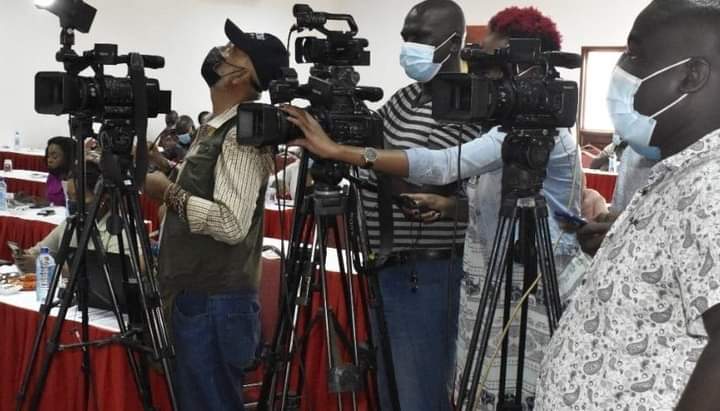 Baraza Media Lab has announced the second annual Africa Media Festival, set to take place from February 21st to 22nd, 2024, at the Nairobi National Museum. The festival, which aims to celebrate cutting-edge innovations and enhance knowledge sharing, will attract 600 delegates over two days. The theme, ‘What’s Next in Media’, encourages participants to dream and lay the groundwork for groundbreaking innovations that will transform the African media landscape. The 2024 edition will focus on fostering cross-disciplinary conversations and promoting collaboration across various sectors to drive regional media excellence. The event will feature panels, workshops, masterclasses, keynotes, research reports, product launches, networking opportunities, roundtable discussions, design thinking workshops, fireside chats, and artistic performances. The 2024 edition will also introduce more intimate and collaborative activities, reducing the number of panel discussions. Interested parties can visit the website, africamediafestival.com, for more information, sponsorship opportunities, and registration details.
Similar Posts by The Mt Kenya Times:
- Mt Kenya Times ePAPER September 19-20, 2026
- Kenya joins US and UK to put citizens on the terrorism frontline
- Kenya’s parliament races to tame the AI frontier
- Kalonzo calls Ruto to order over Uhuru attacks
- Gachagua takes his 2027 campaign to America
About the Author