
By: Atsman Syonzaa
Population is a general term used to generally describe a count of the number of residents within a political or geographical boundary such as town, nation or the world. The impact of so many humans on the environment takes to consumption of resources such as land and food.
It’s no surprise that as the world population continues to grow, the limits of essential global resources such as water, land and forests are becoming more obvious. This shows more people use more resources. Waste products as a result of consumption lead to water and air pollution, toxic materials and greenhouse gases.
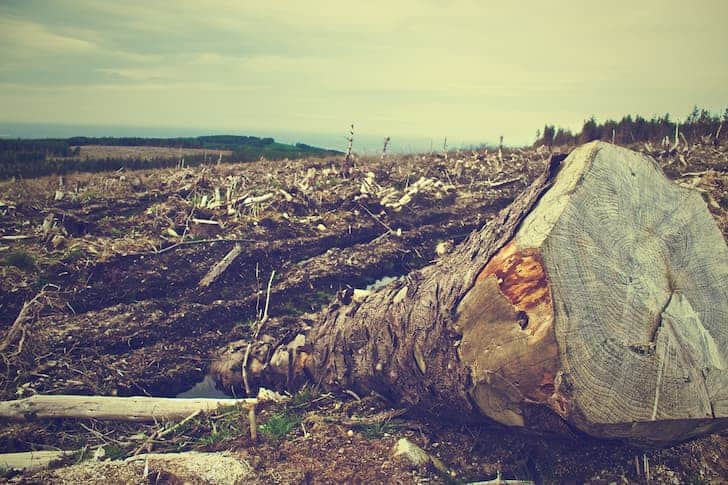
Unchecked population growth will eventually cause an environmental catastrophe. This is an understandable fear, and a quick look at the circumstantial evidence certainly shows that as population increases the health of our environment has decreased.
Pollution to environment would in turn lead to health hazards, adverse effect on ecosystem and wildlife, ozone depletion.
Since it is not easy to control population increase, it’s our responsibility as humans to protect our environment. We should come up with natural ways of caring for self and for our future generations. This is through ways such using eco-friendly chemicals, avoid flushing medication, avoid excess unwanted usage of water and importantly create awareness to people on environmental pollution
Similar Posts by The Mt Kenya Times:
- Diaspora Times Global Sep 19 – Sep 25, 2026
- Tibet’s glacial catastrophe: Behind Beijing’s wall of silence, a climate disaster reshapes a region
- Museveni says Uganda overpaid for fuel through Kenyan middlemen as new terminal breaks ground
- Court orders throw KPL season kickoff into doubt
- Can Kenyans abroad become the untapped force that transforms Kenya?
About the Author