The Mt Kenya Times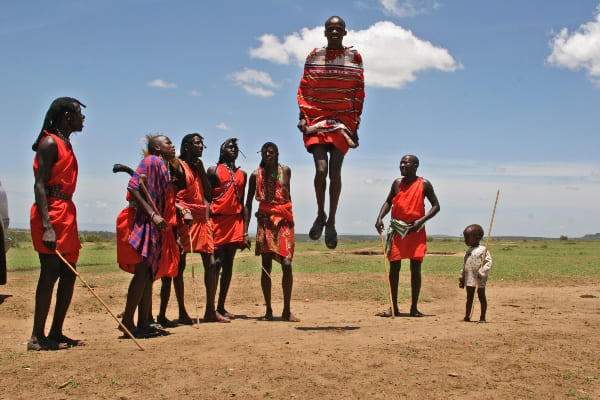
The Maasai of Kenya and Tanzania
By: Midmark Onsongo
Worth Noting:
- The Maasai of Kenya and Tanzania, renowned for their distinct attire, customs, and lifestyle, are a poignant example of this gradual cultural erosion. With increasing urbanization, many young Maasai are abandoning their traditional dress, language, and practices, opting instead for Western lifestyles that promise modernity but often deliver cultural disconnection.
- This phenomenon is not confined to one ethnic group or nation; it is a continental crisis where cultural dilution threatens the very fabric of African societies. The solution to this crisis lies in a renewed commitment to Pan-Africanism—a movement that seeks to unify and empower Africans worldwide to protect and celebrate their heritage.
“Pan Africans must protect the integrity of African culture and traditions else the continent will be swallowed with the aid of foolish and inferior natives.” These powerful words serve as a rallying cry for the defense of Africa’s heritage against external pressures and internal complacency. Throughout history, Africa has been a battleground for cultural conquest, from the violent impositions of the colonial era, where European powers dismantled traditional societies, to the more subtle, modern forms of cultural erosion driven by globalization. The Berlin Conference of 1884-1885, where European nations callously divided the African continent without any African representation, was not just a political coup but also a cultural one. It replaced African languages, customs, and beliefs with foreign standards, setting the stage for an ongoing struggle between indigenous values and imposed Western norms. This cultural domination continues today, albeit in a less overt form, as Western media, consumerism, and education continue to overshadow authentic African narratives, despite the vibrant efforts of Nollywood, Afrobeat, and African literature to reclaim and celebrate African identity.
My indictment of “inferior natives” highlights a painful truth: some of Africa’s greatest cultural threats come not from outside forces but from within. These are individuals who, often out of ignorance, self-interest, or a misguided sense of modernity, undermine African culture by embracing foreign ideals at the expense of their own heritage. This internal betrayal can be traced back to the very roots of colonial resistance. Consider Kenya’s Mau Mau uprising (1952-1960), where freedom fighters relied heavily on indigenous beliefs, oaths, and rituals to galvanize their struggle against British rule. Yet, in the post-independence period, many of these cultural practices were swiftly abandoned in favor of Western norms, diluting the significance of their sacrifice and reflecting the actions of those I refer to as “inferior natives.” In the 21st century, the threat has evolved; it is no longer a colonial power wielding guns but a globalized world that bombards young Africans with foreign values and images, gradually eroding traditional customs and undermining cultural self-worth.
The Maasai of Kenya and Tanzania, renowned for their distinct attire, customs, and lifestyle, are a poignant example of this gradual cultural erosion. With increasing urbanization, many young Maasai are abandoning their traditional dress, language, and practices, opting instead for Western lifestyles that promise modernity but often deliver cultural disconnection. This phenomenon is not confined to one ethnic group or nation; it is a continental crisis where cultural dilution threatens the very fabric of African societies. The solution to this crisis lies in a renewed commitment to Pan-Africanism—a movement that seeks to unify and empower Africans worldwide to protect and celebrate their heritage. Leaders like Kwame Nkrumah of Ghana, Julius Nyerere of Tanzania, and Marcus Garvey of Jamaica were not just political visionaries; they were cultural warriors who urged Africans to reject foreign domination and reconnect with their roots.
One of the most powerful tools in this cultural defense is the promotion of African languages. Language is not just a means of communication; it is a repository of history, tradition, and identity. When Tanzania adopted Swahili as its national language, it was not merely a practical decision; it was a cultural affirmation, a statement of pride in African heritage. Similarly, South Africa’s support for indigenous languages like Zulu, Xhosa, and Sesotho in education, media, and public life underscores the importance of valuing one’s own linguistic heritage in resisting cultural erosion. The preservation and celebration of traditional practices, arts, and festivals are equally vital. Across Africa, events such as the Lagos Carnival in Nigeria, the Marula Festival in Eswatini, and the FESPACO film festival in Burkina Faso serve as vibrant reminders of Africa’s rich cultural tapestry, drawing millions to reconnect with the continent’s past while celebrating its contemporary creativity.
Education is perhaps the most crucial battlefield in the fight to protect African culture. African education systems must prioritize the teaching of African history, literature, philosophy, and traditional knowledge, ensuring that future generations grow up with a deep understanding and appreciation of their cultural inheritance. Ghana’s Year of Return initiative, which encourages the African diaspora to reconnect with their roots, is an excellent example of how education and cultural tourism can reinforce African pride and identity. It is essential to challenge and dismantle the perception that traditional knowledge is inferior to Western science. From the medicinal practices of the Yoruba to the agricultural techniques of the Kikuyu and the architectural brilliance of the Great Zimbabwe ruins, Africa’s indigenous knowledge systems are not archaic relics but living, dynamic, and relevant forms of wisdom that continue to offer solutions to contemporary challenges.
This warning is more than just a statement; it is a call to action, a reminder that protecting African culture is not merely about preserving history but about safeguarding the continent’s soul. Without a strong connection to our roots, Africa risks being overwhelmed by external influences that seek to erase its essence and reshape it in their image. To defend the gates of our cultural heritage, we must celebrate our languages, uphold our traditions, and educate the next generation to resist the temptation to become “inferior natives.” Africa’s cultural integrity is not just worth protecting; it is the foundation of the continent’s future. As guardians of this heritage, we must remain vigilant, proud, and resolute, standing firm against the forces that threaten to diminish the vibrant and living force of African culture. The battle for cultural preservation is ongoing, and every African has a role to play. In the spirit oft Kenya times caution, let us protect our heritage, for Africa’s culture is not merely a historical relic but a testament to the resilience, brilliance, and enduring spirit of its people. The cultural soul of Africa must not be compromised; it must be fiercely guarded, celebrated, and passed down, for it is the bedrock of who we are and who we aspire to be.
This article was scripted by:
MIDMARK ONSONGO
(Sustainable economist, Geopolitics strategizer)
Similar Posts by The Mt Kenya Times:
- Diaspora Times Global Sep 26 – Oct 2, 2026
- RS South Africa supports next-generation edge AI with NVIDIA Jetson Orin Nano 2
- AFRICLOUD opens Lagos region and local-currency payments across African markets
- Fine Spinners targets Kenya’s US apparel supply chain with $5m investment
- Nuclear energy debate must begin with public trust and shared responsibility
About the Author