Samsung opens 24th experience store and first service centre in Kisii as regional market grows
 The Mt Kenya Times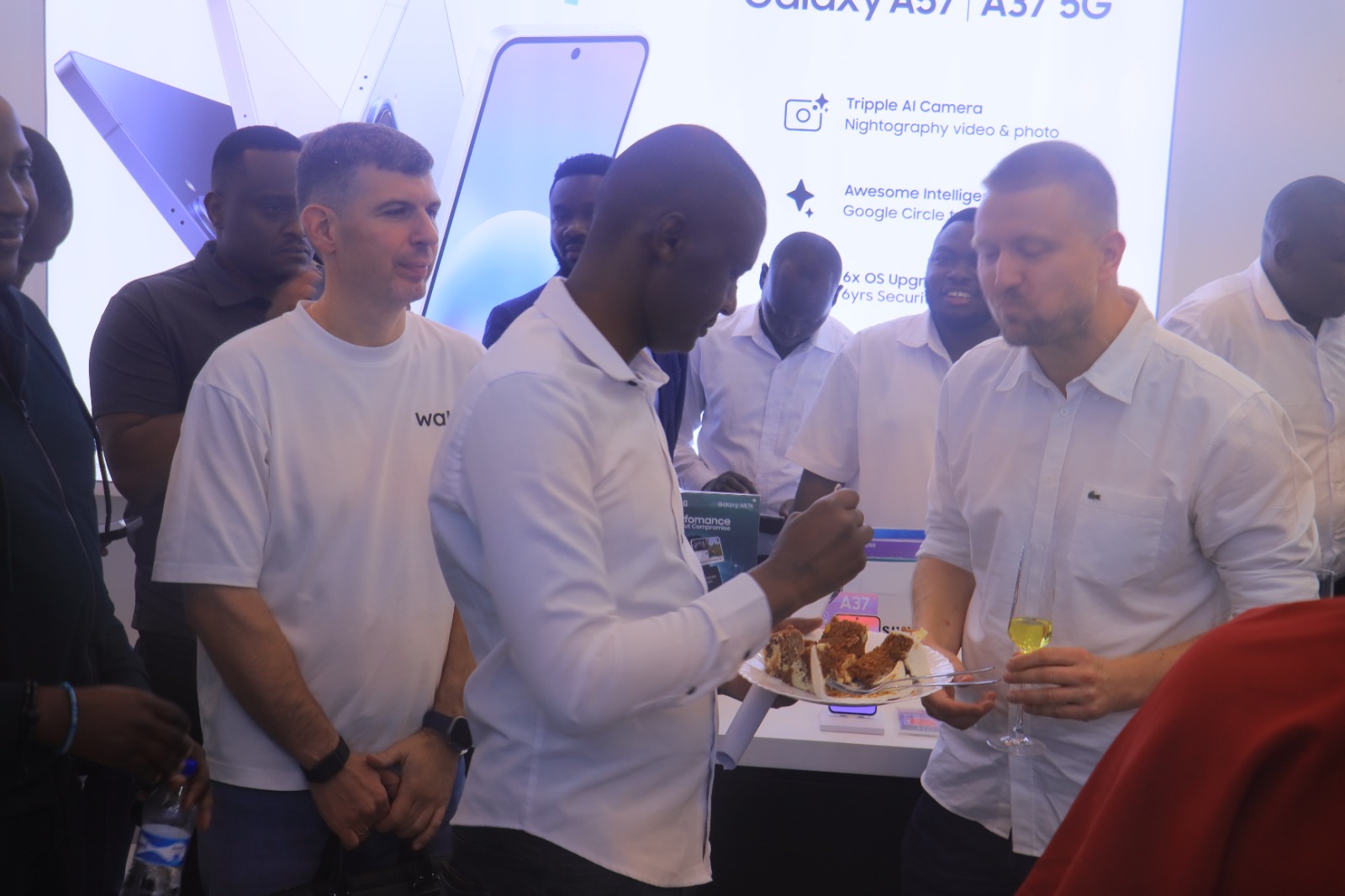
Samsung Electronics East Africa Celebrating during the opening of its 24th Samsung Experience Store in Kisii. Photo /Elizabeth Angira
By Elizabeth Angira
Samsung Electronics East Africa has opened its 24th Samsung Experience Store (SES) at Naivas Mall in Kisii, bringing its presence closer to shoppers in one of western Kenya’s fastest-growing commercial centres. Operated by Samsung EIP partner Nexora Agencies, the new outlet lifts the company’s total number of Brand Stores in Kenya to 26. It also comes with Kisii’s first official Samsung service centre.
Kisii’s rise as a regional hub is easy to see. A strong agricultural economy, lively trade and a steadily expanding network of businesses have made it an increasingly important market, and for Samsung, that momentum is an opportunity to engage more deeply with consumers and businesses across the region.
“Kisii represents an important opportunity for Samsung as we continue to grow our presence across Kenya,” said Manish Jangra, Head of Mobile Experience at Samsung Electronics East Africa.
According to Jangra the region has a strong economic base, an active consumer market and a growing need for technology that supports how people live, work, learn and do business.
“Our 24th Samsung Experience Store is another important step in our retail expansion, bringing Samsung closer to consumers in Kisii and helping us respond to their evolving needs,” he said.
We will keep investing in markets where we can bring our products, services and experiences closer to more Kenyans. That is in keeping with our philosophy of ‘Innovation for All’ and our commitment to making our technology accessible and relevant across different markets and consumer needs.”
The store gives residents of Kisii and neighbouring counties a dedicated space to explore Samsung’s latest mobile and consumer electronics, get expert product guidance and speak directly with the brand. Its range covers entry-level to mid-range and flagship smartphones, as well as tablets and wearables such as smartwatches and earbuds, with Samsung’s AI-powered features on offer.
The investment also reflects a broader shift in Kenya’s technology landscape. According to the Communications Authority of Kenya, smartphones made up 63.7 per cent of mobile devices connected to Kenyan networks by the third quarter of the 2025/26 financial year, while mobile broadband usage continued to climb. For many Kenyans, the smartphone is now an essential tool for communication, financial services, commerce, education and access to information.
Against this backdrop, expanding its physical retail network is part of Samsung’s wider effort to improve both access to its products and the experience that surrounds them. Access, however, goes beyond having a store nearby.
Partnerships that address different stages of the buying journey matter too, and Samsung’s collaboration with asset-financing company Watu has helped make smartphone ownership more attainable for a wider range of consumers.
George Kabeso, who is in charge of device financing for Samsung in East Africa, said the opening was as much a celebration of that partnership as of the new outlets.
“What Watu has been able to do is almost a miracle,” he said.
Kabeso said that , they have tapped into the unbanked market and given people who would otherwise not be able to access them the devices we are always innovating. By establishing a Samsung exclusive store and a service centre, we have brought our technology closer to the people.”
The service centre addresses a practical gap. Until now, many Kisii customers had to travel to Kisumu to have their phones repaired, or leave them with a collection point and wait for the device to make the round trip. With the new centre, repairs can be completed within hours, or at most a few days.
Watu Kenya Country Manager Damien Guerroux said the centre reflects a commitment that goes beyond selling phones. Watu has disbursed 1.5 million SIMU loans in the Kisii sub-region, which translates to 1.5 million Samsung phones sold there. “Today, having a service centre to make sure our customers are able to get repairs is a very important day,” he said.
For Watu, Mr. Guerroux explained, the job does not end when a phone changes hands. “Our job is to provide loans to people who want to access assets but do not have the cash to buy outright, but we consider our role to be much more than that,” he said.
“It is to make sure the customer completes the loan and owns the asset at the end, and that it is an asset in working condition.” Faults such as a freezing or cracked screen are rare on Samsung phones because of their quality, he noted, but they can still happen, and customers should be able to fix them affordably, quickly and without travelling long distances.
An official centre also protects customers from the risks of unregulated repair. Without an approved option, Mr. Guerroux said, customers may be tempted to use roadside shops that are not qualified to work on Samsung devices and may damage the hardware or disrupt the software. A Samsung-vetted centre guarantees original spare parts, so a repaired phone does not fail again days later.
Mr. Guerroux also addressed the tampering of financed phones, which he said is illegal and carries real consequences, including possible prosecution and a negative credit record that could make future borrowing difficult.
He added that the tracking technology is built into the phone itself, unlike on other financed assets.
“Rather than blaming any single party, he called for a shared effort. “It is a collective responsibility,” he said.
Similar Posts by The Mt Kenya Times:
- Ebola comes to Kenya: Preparedness faces its first test
- Why waist beads are taking over campus
- Ruto’s Mt Kenya gamble: Can he win it twice?
- Mashujaa Day 2026: Let the people host the celebration, not just watch it
- Ruto leads nation in honouring Raila at Bondo mausoleum dedication
About the Author