Spanish football federation postpones 24 cup matches after Toledo train disaster
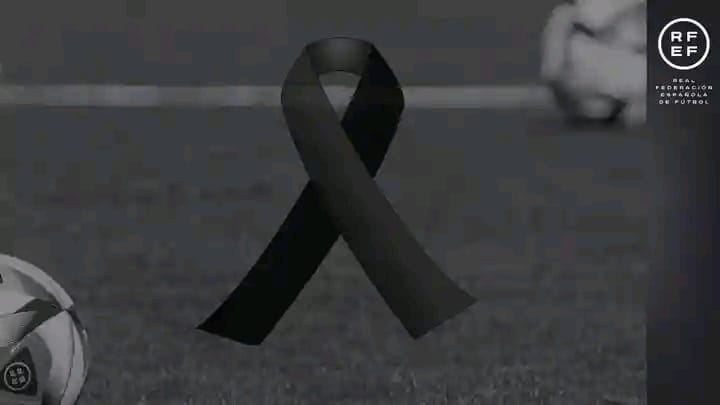
The RFEF suspended a full day of Spanish Cup fixtures in solidarity with victims of a deadly railway accident in Toledo province
By Pascal Okoth
Football has a way of feeling enormously important — until something genuinely important happens. On Thursday, the Royal Spanish Football Federation, known by its Spanish initials RFEF, made that distinction with quiet clarity, announcing the postponement of 24 Spanish Cup matches scheduled for the day in response to a tragic railway accident in the province of Toledo.
The decision was swift, unambiguous and, in the view of many within Spanish football, entirely the right call. Twenty-four fixtures wiped from the day’s programme, clubs left to rearrange their schedules, supporters asked to wait — all of it done without hesitation in recognition of a nation mourning lives lost and families shattered by a disaster that had nothing to do with sport and everything to do with shared humanity.
The Toledo accident sent shockwaves across Spain, with the scale of the tragedy prompting an immediate response from authorities and institutions well beyond the railways and emergency services. The RFEF’s announcement arrived as one of the more visible gestures of solidarity, carrying the weight of a sport that commands enormous public attention across the country.
In a nation where football is woven into the daily fabric of life — where the Copa del Rey inspires genuine passion at every level of the game, from the largest clubs to the smallest provincial sides — the decision to suspend competition carries real symbolic force. It signals that the federation understands its place within Spanish society rather than apart from it.
The human reality behind railway disasters rarely receives the attention it deserves once the immediate news cycle moves on. Beyond the official casualty figures lie families waiting for news, communities absorbing loss and emergency workers confronting scenes of considerable distress. In that context, the prospect of 24 football matches proceeding as though the afternoon were entirely ordinary would have struck many as tone-deaf, regardless of the logistical complications that postponement inevitably brings.
And those complications are real. Cup competitions involve months of scheduling, stadium preparation, travel arrangements, security coordination, broadcast commitments and squad planning. Postponing a single fixture creates a ripple effect; postponing 24 simultaneously requires significant administrative effort from clubs, federations and broadcasters alike. None of that, the RFEF determined, outweighed the importance of marking the moment properly.
The postponement also reflects something that football, at its best, has always understood — that the sport does not exist in isolation. Clubs and their supporters are part of communities, and those communities sometimes experience events that demand acknowledgement rather than distraction. Spanish football has demonstrated this before, pausing competition in the aftermath of national tragedies, and Thursday’s decision follows a consistent principle: when people are grieving, the game can wait.
For supporters who had been preparing to attend the postponed fixtures — making travel arrangements, planning their day around kick-off times, anticipating the particular excitement of a cup tie — the announcement will have brought disappointment. That is understandable. But most will also recognise the appropriateness of the decision and the values it reflects.
At the time of the RFEF’s announcement, replacement dates for the 24 affected matches had not been confirmed. Clubs and supporters were advised to follow official federation communications and their respective club channels for updated scheduling information. Given the volume of fixtures involved, the rearrangement process is likely to require careful coordination with broadcasters and venue operators over the coming days and weeks.
Attention across Spain on Thursday, however, was firmly elsewhere — with the victims of the Toledo accident, with the families seeking answers and with the emergency services working at the scene. Football acknowledged that reality and stepped aside.
It is a small gesture in the face of genuine tragedy. No postponed match compensates for a life lost or a family left grieving. But gestures carry meaning, particularly from institutions with the public reach and cultural influence of a national football federation. The RFEF’s decision reminded everyone that the beautiful game, for all its commercial scale and competitive intensity, remains at its core a human pursuit — and that human lives, when placed on one side of the scale, will always weigh more than fixtures.
Spain’s cup calendar will resume. The matches will be rescheduled and played. For now, the federation made the right call.
Similar Posts by The Mt Kenya Times:
- Gachagua reveals tense exchange with Sifuna over 2024 impeachment as 2027 alliances take shape
- Comrades erupt in joy as lecturers’ strike comes to an end
- Fofana miss sends Liverpool past Chelsea into Carabao Cup quarter-finals
- Kenya’s war on corruption needs community soldiers, not just investigators
- The ballot box’s bitter mockery: Electocracy’s iron grip on Kenya
About the Author