Strengthening Governance Through Enhanced Media Relations: A Call To Action For County Communication Teams
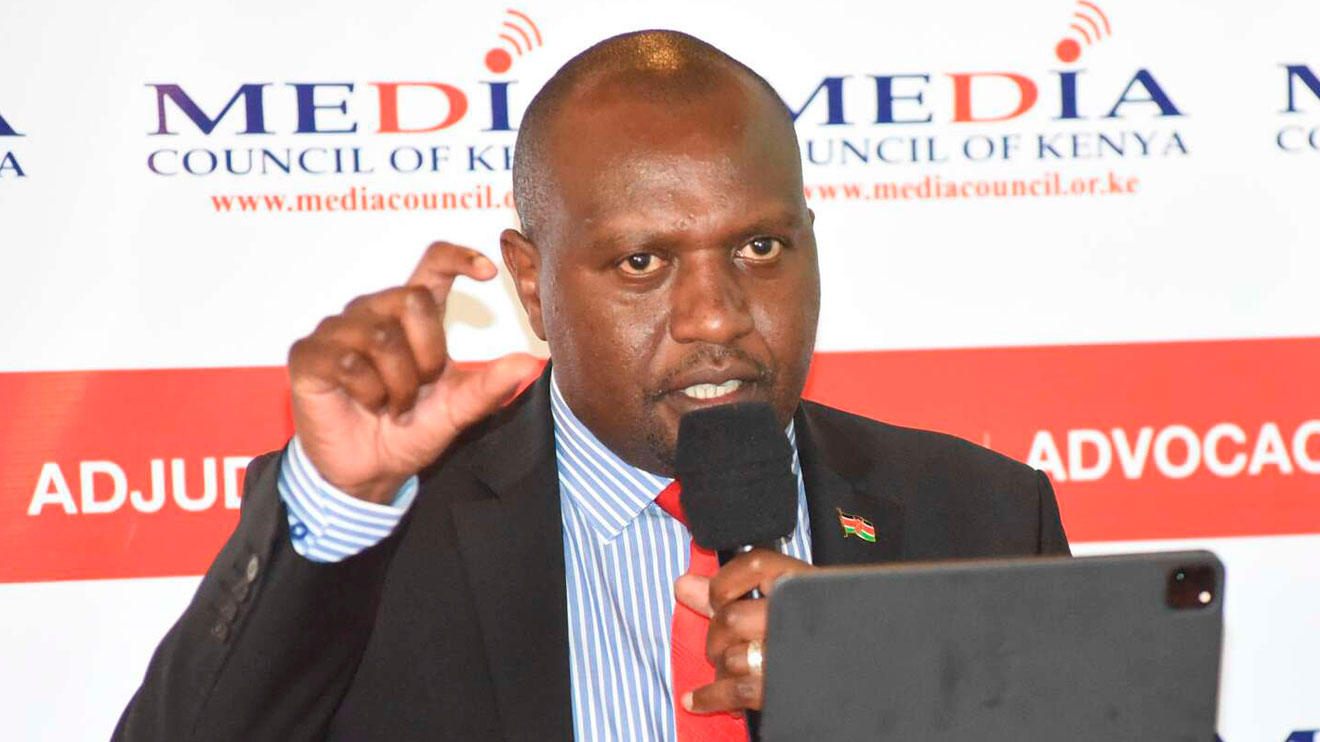
MCK CEO David Omwoyo

By: James Kilonzo Bwire
The Media Council of Kenya (MCK) has issued a vital call to action, urging county communication teams to enhance their media relations. This initiative underscores the crucial role these teams play in governance, particularly in an age where digital communication dominates public discourse. By adopting innovative strategies, county communication officers can effectively engage with the public, ensuring that government initiatives and services are communicated clearly and transparently.
Proactive communication is essential for fostering trust between citizens and their governments. MCK CEO David Omwoyo emphasized that communication officers serve as the face of government and must be accountable for the information they provide. This accountability is vital in ensuring that citizens receive timely and accurate information about government activities. When citizens are well-informed, they are better equipped to participate in governance, which is a cornerstone of democracy.
In today’s fast-paced digital landscape, the demand for effective communication has never been more critical. MCK Director for Media Training and Development Victor Bwire has highlighted the necessity for counties to prioritize proactive communication that is not only well-packaged but also tailored for public consumption. The integration of multimedia platforms allows counties to personalize their messaging, making it more relatable and engaging for diverse audiences. This approach addresses the challenge of short attention spans prevalent among modern audiences, ensuring that important information is conveyed effectively.
To bridge existing gaps in information flow within county governments, MCK has initiated comprehensive training programs for communication officers. These programs aim to equip them with essential skills for effective messaging and media engagement. County Assemblies Forum CEO Lorna Lesom pointed out that many communication officers face challenges due to poorly packaged information, which hampers public access to vital data. Training will empower these officers to enhance transparency and improve overall governance by ensuring that information is accessible and understandable.
Building strong relationships with media outlets is another critical aspect of effective communication. By fostering collaboration between county governments and media organizations, communication teams can ensure timely dissemination of accurate information. Such partnerships not only enhance public awareness but also promote accountability in governance. Effective media engagement can significantly improve institutional visibility and public trust in government initiatives, as highlighted during various workshops organized by MCK.
Moreover, the role of technology in enhancing communication cannot be overstated. Public communicators are encouraged to embrace digital platforms to reach wider audiences and engage with them effectively. The use of social media and other digital tools allows for real-time interaction with citizens, making it easier for them to access information and provide feedback on government initiatives.
Additionally, MCK’s commitment to enhancing press freedom through training initiatives will facilitate journalists’ work and promote a culture of transparency within county governments. As Omwoyo noted, improving the relationship between the media and county governments is critical for fostering an environment where accurate information flows freely.
The potential impact of these initiatives extends beyond mere information dissemination; they can lead to a more informed citizenry capable of holding their leaders accountable. By prioritizing clear communication strategies, counties can cultivate a culture of openness that empowers citizens to engage meaningfully with their governments.
In conclusion, MCK’s call for enhanced media relations through empowered county communication teams is both timely and necessary. By adopting innovative strategies, leveraging digital platforms, and investing in training, counties can significantly improve their communication efforts. This initiative will lead to a more informed citizenry, greater public participation in governance, and ultimately a more accountable government that meets the needs of its people. Empowering communication teams is not merely an operational enhancement; it is a fundamental step towards achieving transparent and effective governance in Kenya. As we move forward, it is imperative that all stakeholders work collaboratively to ensure that the flow of information remains open and accessible, thereby strengthening democracy at the county level.
James Kilonzo Bwire is a Media and Communication Practitioner.
Similar Posts by The Mt Kenya Times:
- Kalonzo calls Ruto to order over Uhuru attacks
- Gachagua takes his 2027 campaign to America
- Uhuru owns “sponsor” — and Ruto should be worried
- Sengwer youth: When will Kenya stop treating a minority like an afterthought?
- When young lives become disposable
About the Author