The Constitutional Crisis: A Call For Transparency In Police Appointments

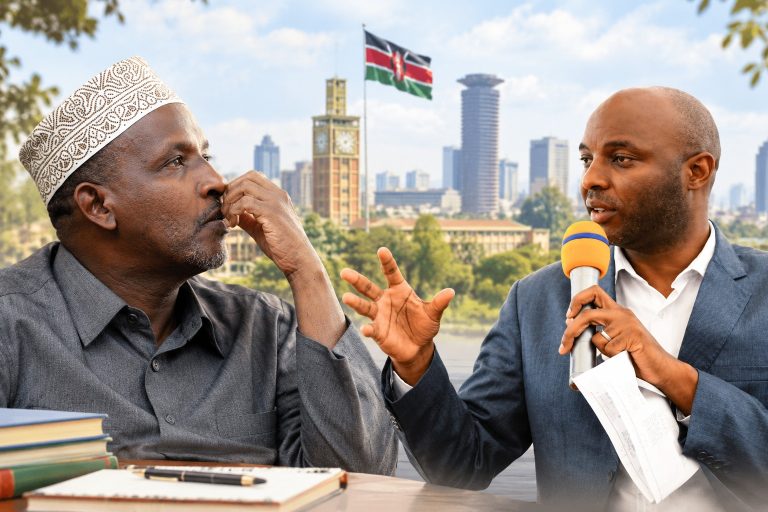
Busia Senator Okiyah Omtatah

By: James Kilonzo Bwire
The petition filed by Busia Senator Omtatah challenging the appointment of Douglas Kanja as Inspector General of Police (IG) raises significant concerns about the integrity of the recruitment process for one of Kenya’s most critical positions. Omtatah argues that President William Ruto violated the Constitution, asserting that the appointment lacked a competitive recruitment process. This situation highlights the ongoing struggle for transparency and accountability in high-level government appointments, particularly within the police service.
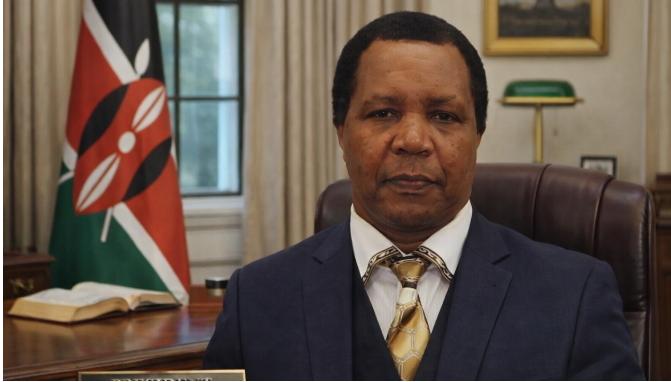
Douglas Kanja’s appointment follows a vetting process approved by both the National Assembly and the Senate. However, Omtatah’s petition suggests that this process may not have adhered to constitutional standards, prompting questions about the legitimacy of Kanja’s ascension to this crucial role. The implications of this challenge extend beyond Kanja himself; they touch upon broader issues of governance and public trust in law enforcement institutions.
The National Government Constituencies Development Fund (NG-CDF) has been a vital resource for many constituencies, enabling MPs to allocate funds for projects that address local needs. Salasya’s defense of the fund highlights a broader conversation about the importance of such financial mechanisms in empowering marginalized groups, including youth. The ongoing debate around NG-CDF underscores the need for a balanced approach to governance, where beneficiaries’ voices are considered in legal and political discussions.
The appointment of an IG is not merely a bureaucratic formality; it carries profound implications for public safety and law enforcement practices across Kenya. The police service has faced intense scrutiny in recent years due to allegations of misconduct, including enforced disappearances and extrajudicial killings. In this context, ensuring that appointments are made through transparent and competitive processes is essential for restoring public confidence in law enforcement.
Senator Omtatah’s challenge underscores a growing awareness among citizens regarding their rights and the importance of adhering to constitutional protocols. It reflects a broader demand for accountability from those in power, particularly in sectors where trust has been eroded due to past abuses. As citizens become more engaged in political discourse, it is crucial that their concerns are addressed through appropriate legal channels.
Kanja’s appointment comes at a time when police conduct is under scrutiny. The acting IG, Gilbert Masengeli, is currently facing legal challenges related to his failure to comply with court orders concerning police conduct. This backdrop makes it all the more critical that Kanja’s leadership is rooted in respect for the rule of law and human rights.
The parliamentary approval process for Kanja was marked by vigorous debate, with legislators acknowledging his extensive experience within the police force. However, they also cautioned him against perpetuating a culture of impunity that has plagued previous officeholders. This duality reflects the complex nature of policing in Kenya—a system that requires both experienced leadership and a commitment to reform.
As discussions surrounding Kanja’s appointment unfold, it is imperative that stakeholders prioritize transparency and accountability. Engaging civil society organizations and community leaders in these conversations can help ensure that diverse perspectives are considered when evaluating police leadership.
Moreover, there is an urgent need for reforms within the police service itself. Addressing systemic issues such as corruption, lack of training, and inadequate resources will be essential for fostering a more effective and accountable police force. Kanja must prioritize these reforms if he hopes to regain public trust and improve police-community relations.
The court’s decision on Omtatah’s petition will serve as a litmus test for Kenya’s commitment to upholding constitutional principles in governance. A ruling in favor of greater transparency could set a precedent for future appointments across various sectors, reinforcing the importance of competitive recruitment processes.
Conversely, if the court dismisses the petition without addressing these concerns, it may signal an acceptance of opaque practices that undermine democratic governance. This outcome could have long-lasting repercussions on public trust in institutions meant to serve and protect citizens.
As we await the court’s ruling on this matter, it is essential for citizens to remain vigilant and engaged in discussions about governance and accountability. The future of Kenya’s democracy hinges on our collective ability to demand transparency from our leaders and hold them accountable for their actions.
In conclusion, Senator Omtatah’s petition against Douglas Kanja’s appointment as IG raises critical questions about governance and accountability within Kenya’s police service. It serves as a reminder that transparency must be prioritized in all aspects of government operations—particularly when it comes to positions that directly impact public safety.
By championing initiatives like this petition, citizens can help create a more equitable society where every individual is afforded their rights under the Constitution. As we move forward, let us advocate for systems that promote fairness, inclusivity, and respect for human rights—ensuring that every Kenyan feels safe and protected by those sworn to uphold the law.
Kanja’s extensive experience—having risen through the ranks since 1985—provides him with valuable insights into the challenges facing law enforcement today. His tenure as commandant of the General Service Unit (GSU) has equipped him with practical knowledge necessary for leading reforms within the National Police Service.
However, despite his qualifications, Kanja must navigate a turbulent landscape marked by public skepticism towards police practices. The recent history of enforced disappearances and allegations against officers demands immediate attention from any new IG committed to restoring faith in law enforcement.
As we reflect on this pivotal moment in Kenya’s governance landscape, it becomes clear that appointments like these should not only be based on experience but also on an unwavering commitment to uphold human rights principles. The expectations placed upon Kanja are immense; he must demonstrate leadership that prioritizes accountability over impunity.
Ultimately, this situation serves as an opportunity for all stakeholders—including government officials, civil society organizations, and citizens—to engage in meaningful dialogue about what effective policing looks like in Kenya today. By fostering an environment where transparency thrives alongside accountability measures, we can work towards building stronger institutions capable of serving all Kenyans justly and equitably.
In moving forward together—demanding better governance practices—we can ensure our voices are heard while holding those entrusted with power accountable at every level.
James Kilonzo Bwire is a Media and Communication Practitioner.
Similar Posts by The Mt Kenya Times:
- Diaspora Times Global Oct 17 – Oct 23, 2026
- Is social media a blessing or a curse for university students?
- Light at last: How electricity is reshaping Nandi and Uasin Gishu
- The triple squeeze: how EPRA’s fuel price hike is reshaping the survival equation for the common mwananchi
- Zelenskyy accuses Trump of rewarding Putin as Pope pleads for peace from a hospital bed
About the Author