The frequencies of fracture: Kenya’s vernacular venom and the algorithms of atrocity
 The Mt Kenya Times
By Jerameel Kevins Owuor Odhiambo
In the weeks after Kenya’s disputed 2007 elections, more than 1,100 people were killed, over 600,000 displaced, and thousands of women subjected to sexual violence. The Waki Commission and multiple independent monitors did not treat this bloodletting as spontaneous combustion. They documented a clear accelerant: vernacular radio stations broadcasting in Kalenjin, Kikuyu, Luo and other tongues, pumping coded calls to “cut the grass,” reclaim “stolen chickens,” or reject the “uncircumcised” into communities already primed by historical grievance. Local mdedia became not mere reporters of tension but architects of it. That is the factual starting point. Everything else is the architecture of recurrence.
These stations did not invent ethnic animosity. Colonial administrators perfected the art of cataloguing, ranking and weaponizing difference; postcolonial elites refined it into electoral calculus. What the liberalisation of the airwaves after the 1990s achieved was scale and intimacy. Suddenly the familiar voice speaking the language of the homestead could reach hundreds of thousands at once, translating political competition into existential threat. The algorithm of animosity is simple and ruthless: identify the in-group, define the out-group as existential contaminant, repeat the definition until it feels like memory, then provide the emotional permission for violence. Radio and, to a lesser extent, television supplied the bandwidth. Call-in shows became unmoderated laboratories of dehumanization. Presenters who should have been gatekeepers became amplifiers. The feedback loop was perfect: politician plants the seed, presenter waters it with selective framing, caller supplies the raw ethnic fury, and the station broadcasts the harvest back into the soil that will grow the next cycle of corpses.
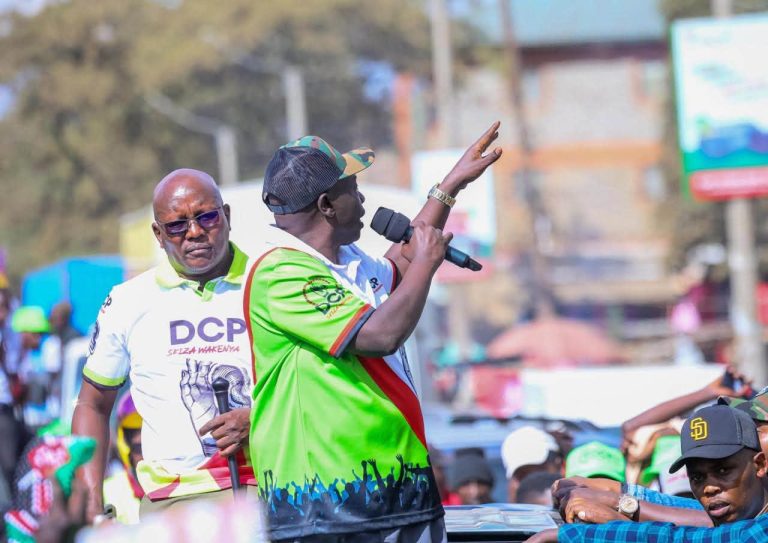
The parallels are not subtle. Rwanda’s Radio Télévision Libre des Mille Collines did not create Hutu Power; it operationalized it. Kenya’s vernacular stations in 2007–2008 performed a similar function at lower technological sophistication but comparable moral vacancy. Joshua Arap Sang of Kass FM was charged at the International Criminal Court precisely because the evidence showed a presenter using his platform to coordinate and inflame. Whether convictions followed is secondary to the documented pattern: the microphone became a weapon. The National Cohesion and Integration Commission was born from this recognition, yet the disease has merely migrated and mutated. Social media now hosts the densest concentrations of toxic ethnic discourse, but the older medium retains unique potency in rural and peri-urban Kenya where trust in the local-language voice remains high and alternative information is scarce.
Consider the numbers that refuse to stay buried. The 2007–2008 violence produced an estimated 1,133 official deaths and displacement on a scale that temporarily shattered national growth from 7.1 percent to 2.5 percent. Earlier multiparty elections in 1992 and 1997 had already left thousands dead in ethnic clashes that politicians and local media helped choreograph. Monitoring by organisations such as Internews in later cycles showed dangerous speech declining after training and scrutiny, only for spikes to reappear whenever political temperatures rose. In 2024 the NCIC was still intervening in dozens of hate-speech cases, many rooted in the same ethnic framings that once poured from FM transmitters. The continuity is not accidental. It is the product of incentives. Politicians need mobilized ethnic blocs. Station owners, often aligned with political interests, need audiences and advertising. Presenters need relevance. Listeners, fed a steady diet of grievance, experience the confirmation of their deepest suspicions as truth. The algorithm rewards division because division pays.
Literary devices are not decoration here; they are diagnostic. The “people of the milk” and the “grass” that must be cut were not random metaphors. They were compressed histories of land, belonging and exclusion, weaponised into marching orders. Irony saturates the landscape: stations that market themselves as cultural guardians become the most efficient destroyers of the cultural fabric they claim to protect. Satire writes itself when stations that broadcast sermons on national unity on Sunday morning spend weekday afternoons hosting callers who describe fellow citizens as weeds. The language of kinship is twisted into the language of expulsion. What should be the warm medium of the mother tongue becomes the cold instrument of the undertaker.
Deep insight requires refusing the comforting myth that this is merely “tribalism,” some primordial African defect. It is modern political technology operating on pre-existing social software. Ethnic identity is real and emotionally powerful; its conversion into zero-sum political capital is a choice repeatedly made by elites who calculate that short-term power outweighs long-term national ruin. The correlation is tight: where vernacular media ecosystems are dense, political competition intense, and institutional restraints weak, the probability of lethal mobilisation rises. Kenya is not unique, but it is exemplary. The same stations that can mobilise for peace after violence have already demonstrated they can mobilise for slaughter before it.
This is not abstract. It is the burnt homestead in the Rift Valley, the body dumped in a Nairobi estate, the woman who will never again trust her neighbour because the radio told her that neighbour was the enemy. It is the child who grows up learning that political loyalty and ethnic loyalty are the same thing, and that dissent from the communal line is betrayal. Each election cycle that tolerates the old scripts is a quiet referendum on whether Kenya prefers the politics of the graveyard to the politics of the common good.
Action is therefore non-negotiable and multi-layered. The Communications Authority and the Media Council must treat repeated patterns of coded ethnic incitement as the serious regulatory failures they are, not as occasional excesses to be tut-tutted after the fact. Ownership structures that concentrate vernacular reach in the hands of political actors require transparency and, where necessary, structural remedy. Presenters and producers who turn their microphones into megaphones for dehumanization should face professional and legal consequences proportional to the harm, not the current pattern of selective and delayed enforcement. Politicians who still traffic in the language of “our people” versus “the others” must be denied the oxygen of respectability; parties that platform them should pay electoral and reputational costs. Civil society and ordinary listeners must refuse the narcotic of ethnic self-congratulation and demand better. Advertisers who fund stations that specialize in division are complicit and should be named. The NCIC’s monitoring is necessary but insufficient without swift, consistent prosecution that makes the cost of hate higher than its political benefit.
Kenya has already paid the butcher’s bill once in full public view. The algorithm of animosity is not mystical. It is a set of incentives, technologies, and failures of courage that can be disrupted. The airwaves can carry the languages of this land without carrying the licences for its destruction. The choice remains, as it always has, with those who hold the microphones, those who own the transmitters, those who write the laws, and those who still tune in. History is not destiny. It is only the pattern that repeats until someone with power and conscience decides the cost of repetition has become unbearable. The frequencies are still open. What they broadcast next will tell us whether Kenya has finally learned to hear itself without reaching for the match.
The writer is a social commentator.
Similar Posts by The Mt Kenya Times:
- Mt Kenya Times ePAPER October 30, 2026
- Ruto courts Russian investment in Moscow as Kenya seeks KSh5.2 trillion infrastructure push
- Court voids Ruto’s housing promises to teachers and police, ruling presidential pronouncements have no force of law
- Ruto’s Cabinet is now unconstitutional, lawyers warn, as gender rule deadline passes
- Sifuna’s rise: How a senator from Nairobi became Kenya’s most watched politician ahead of 2027
About the Author