The Impeachment Of Gachagua: A Test Of Kenya’s Political Stability And Unity
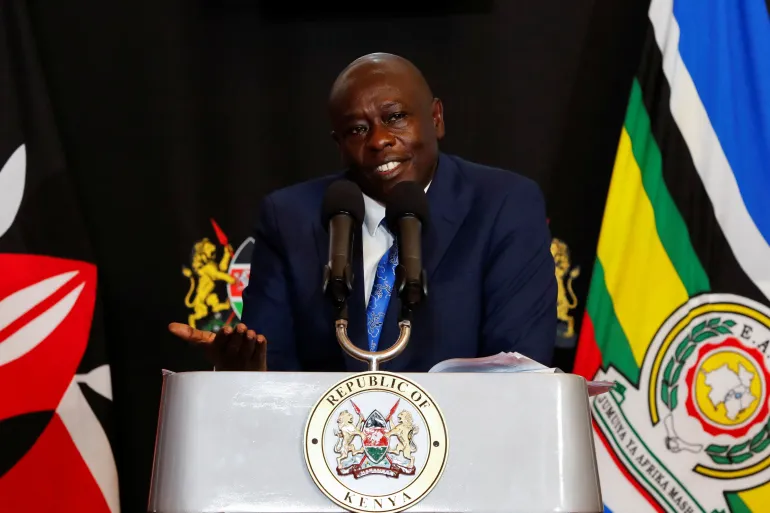
Deputy President Rigathi Gachagua

By: James Bwire Kilonzo
Worth Noting:
- As senators prepare to vote on this matter, it is imperative for lawmakers to reflect on their responsibilities to their constituents and the nation as a whole. The outcome will not only determine Gachagua’s political future but also serve as a litmus test for Kenya’s commitment to democratic values and governance standards. A hasty or politically motivated decision could further erode public trust in political institutions at a time when confidence is already fragile.
- In light of these developments, it is essential to recognize that this impeachment process may also serve as a catalyst for broader reforms within Kenyan politics. The ongoing anti-government protests over economic issues have highlighted widespread dissatisfaction with leadership and governance.
The National Cohesion and Integration Commission (NCIC) has raised alarm over the potential threat to national unity posed by the impending impeachment of Deputy President Rigathi Gachagua. Chair Samuel Kobia cautioned that if the Senate upholds the National Assembly’s decision to impeach Gachagua, it could lead to significant conflicts, particularly between communities in Mount Kenya and other regions. This warning highlights the delicate balance of political power and ethnic relations in Kenya, where the repercussions of such a high-profile impeachment could resonate far beyond the political sphere.
Gachagua’s impeachment is unprecedented; he would be the first Deputy President in Kenya to face such a fate since the 2010 Constitution was enacted. The allegations against him—ranging from corruption and insubordination to fostering ethnic divisions—are serious and have already resulted in a super-majority vote in the National Assembly, with 282 MPs supporting his removal. However, as the Senate prepares to deliberate on this motion, it is crucial to consider not only the legal implications but also the broader societal consequences.
The NCIC’s concerns reflect a growing unease about how political decisions can exacerbate existing tensions among communities. Gachagua’s strong support base in Mount Kenya is significant; his removal could alienate many constituents who feel their interests are not being represented. This situation raises critical questions about governance in a country still grappling with its ethnic dynamics. The potential for conflict underscores the need for careful handling of this impeachment process by the Senate, ensuring that all actions taken are perceived as fair and just.
Moreover, Gachagua’s situation is emblematic of deeper issues within Kenyan politics, including accusations of corruption and mismanagement that have plagued leadership for years. His defense against the allegations—claiming they are politically motivated—resonates with many who view this impeachment as part of a larger struggle for power within President William Ruto’s administration. The rift between Gachagua and Ruto adds another layer of complexity; should Gachagua be impeached, it could destabilize Ruto’s government and alter political alliances within their coalition.
As senators prepare to vote on this matter, it is imperative for lawmakers to reflect on their responsibilities to their constituents and the nation as a whole. The outcome will not only determine Gachagua’s political future but also serve as a litmus test for Kenya’s commitment to democratic values and governance standards. A hasty or politically motivated decision could further erode public trust in political institutions at a time when confidence is already fragile.
In light of these developments, it is essential to recognize that this impeachment process may also serve as a catalyst for broader reforms within Kenyan politics. The ongoing anti-government protests over economic issues have highlighted widespread dissatisfaction with leadership and governance. Many citizens are not merely focused on Gachagua’s fate but are demanding systemic changes that address corruption and economic mismanagement.
The NCIC’s warning serves as a reminder that political actions have real consequences on societal cohesion. If Gachagua is impeached, it may not only deepen divisions among communities but also set a precedent for future political maneuvers that could destabilize Kenya’s fragile unity. As such, it is crucial for all stakeholders—lawmakers, citizens, and civil society—to engage thoughtfully with these developments.
In conclusion, the impending impeachment of Deputy President Rigathi Gachagua represents more than just a personal battle; it embodies critical issues surrounding governance, accountability, and national unity in Kenya. As we await the Senate’s decision, it is essential that all stakeholders engage thoughtfully with these developments. The judiciary must act as an impartial arbiter, ensuring that justice is served while respecting the rights of all individuals involved.
The eyes of the nation are upon this process; may it reinforce our democratic foundations while respecting the rule of law. Ultimately, how this situation unfolds will serve as a litmus test for Kenya’s political maturity and commitment to democratic ideals. It is an opportunity not only for reflection but also for action—a chance to redefine what accountability means in Kenyan politics while safeguarding the rights of all citizens involved in this complex narrative.
As we navigate these turbulent waters, it is essential that all parties involved remain committed to upholding democratic principles. The judiciary must act as an impartial arbiter, ensuring that justice is served while respecting the rights of all individuals involved. Meanwhile, lawmakers must reflect on their responsibilities to their constituents rather than succumbing to partisan pressures.
In light of these complexities, this moment serves as both a challenge and an opportunity for Kenya—a chance to strengthen its democratic institutions while fostering unity among its diverse communities. The outcome of Gachagua’s impeachment will undoubtedly shape Kenya’s political landscape for years to come; therefore, it is imperative that we approach this moment with both caution and hope for a more cohesive future.
James Bwire Kilonzo is a Media and Communication Practitioner.
Similar Posts by The Mt Kenya Times:
- Mt Kenya Times ePAPER October 26, 2026
- Sakaja challenges Kamukunji police over Eastleigh suspect bail
- Muturi demands binding livestreaming rules for 2027 polls to prevent repeat of 2022 chaos
- NTSA calls for road safety to be declared a national disaster after 24 die in Mtito Andei crash
- Ruku turns on Waiguru over deputy president ambitions: ‘That seat is not being contested for’
About the Author