David Omwoyo, CEO of the Media Council of Kenya

In today’s fast-paced information age, the words of David Omwoyo, CEO of the Media Council of Kenya, resonate profoundly: journalists are not just reporters; they are vital architects of democracy. As misinformation proliferates, the responsibility of journalists to provide accurate and insightful reporting on parliamentary matters becomes increasingly critical. They serve as the essential bridge between the government and the public, ensuring that citizens are informed about legislative developments that shape their lives.
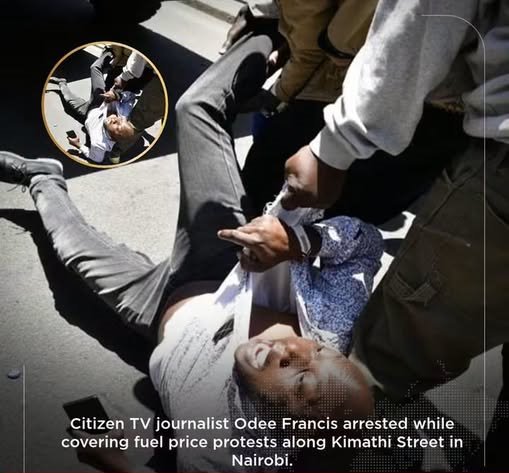
The ongoing challenges faced by journalists in Kenya highlight the precarious state of press freedom. Omwoyo’s disappointment regarding press freedom violations underscores a troubling trend that threatens not only the safety of journalists but also the foundation of democracy itself. When journalists are silenced or intimidated, the public loses its right to know, and accountability is compromised. This is why it is imperative that we advocate for a free press, which is essential for holding power to account and fostering transparency.
Empowering journalists with resources and support is crucial for cultivating an informed citizenry capable of meaningful participation in governance. As Omwoyo points out, investing in journalism is an investment in democracy. The Media Council’s commitment to safeguarding press freedom and providing assistance to journalists—especially during crises—illustrates a proactive approach to ensuring that those who report the truth can do so without fear.
Historically, the media has played a pivotal role in Kenya’s democratic transitions. It has been instrumental in moving from a single-party system to a multi-party democracy, facilitating access to information that empowers citizens to engage politically. However, challenges persist, including restrictive media laws and political influences that threaten journalistic independence. The media landscape is often marred by incidents of harassment and violence against journalists who dare to report on sensitive issues such as corruption, human rights abuses, and electoral malpractices.
Moreover, the rise of vernacular media has expanded access to political information for rural populations, allowing them to engage more actively in democratic processes. This inclusivity is vital for ensuring that all voices are heard in the political arena. However, as highlighted by various reports, many journalists still face significant risks while performing their duties. The constitutional guarantees of press freedom often clash with reality when journalists encounter threats or violence from both state and non-state actors.
As citizens, we must recognize and support the indispensable role that journalists play in shaping public discourse. Their work not only informs us but also enriches our democratic processes by encouraging civic engagement. We should stand in solidarity with those who risk their safety to bring us the truth, advocating for policies that protect their rights and freedoms.
In conclusion, let us acknowledge that a vibrant democracy relies on a robust media landscape. By championing journalistic integrity and supporting those who dedicate their lives to this noble profession, we can ensure that democracy thrives—not just in Kenya but globally. As we move forward, let us commit ourselves to defending press freedom and recognizing the invaluable contributions of journalists in our society.
James B.K is a media and communication practitioner.
Similar Posts by The Mt Kenya Times:
- Not every struggling student is lazy
- Laikipia University: A natural haven for learning
- Why you should not milk a Kenyan buffalo
- Beyond the scars: The grief, fear and hope of living after breast cancer
- Obaga Momanyi hosts free medical camp for Persons with Disabilities in Bonchari
About the Author