The Mt Kenya Times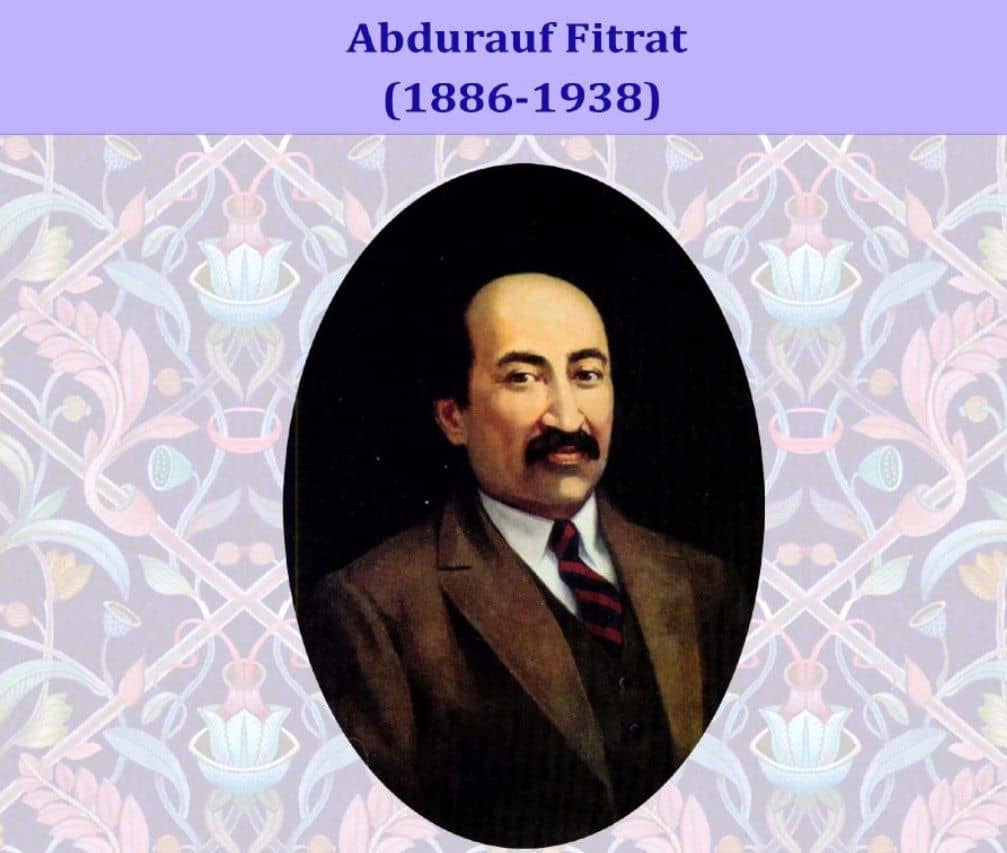
Abdurauf Fitrat
Abdurauf Fitrat (1886–1938) was one of the most influential intellectuals of early 20th century Central Asia and a driving force behind the Jadid reform movement, which aimed to modernize education, literature, and politics across Turkestan. Born into a merchant family, Fitrat received a traditional Islamic education in Bukhara before traveling widely to Turkey, India, Arabia, and even Moscow on a non-conventional pilgrimage route that exposed him to progressive ideas and the “new method” schools emerging throughout the Muslim world.
Initially skeptical of Jadidism, Fitrat’s encounter with reformist ideals during his studies in Istanbul (1910–1914) transformed him into one of its most dynamic advocates. His earliest prose works, “Debate” (Munozara) and “The Statement of an Indian Traveler” (Bayonoti Sayyohi Hindiy), published in Istanbul, along with his poetry collection “The Outcry” (Sayha), electrified young Bukhara intellectuals and challenged conservative clerics who labeled modern education heretical. Through spirited debate and the clandestine distribution of his writings, Fitrat helped reopen Jadid schools in Bukhara, cementing his reputation as a fearless champion of enlightened learning.
During World War I and its aftermath, Fitrat broadened his influence. He founded and edited the newspaper Hurriyat (“Freedom”) in Samarkand, joined the “Young Bukharians” party, and wrote dramas and essays such as “True Love” (Chin Sevish), “The Indian Revolutionaries” (Hind Ihtilolchilari), and Abu Muslim, works that celebrated liberty, critiqued colonial oppression, and articulated a vision of national liberation. His plays became foundational works of modern Uzbek theater, while his political writings condemned both Emirate autocracy and Bolshevik tyranny.
In 1918, Fitrat established the “Chagatai Circle” (Chig‘atoy Gurungi), the first local scholarly society dedicated to Uzbek language, literature, and folklore, laying the foundation for today’s Writers’ Union and the Academy of Sciences. Although later sidelined to Moscow’s Oriental Institute and ultimately executed during Stalin’s purges, his legacy endured. Fitrat’s unwavering belief in education, cultural renewal, and political emancipation continues to inspire Uzbekistan’s intellectual life a testament to his conviction that the true salvation of the nation lies in knowledge and self-determination.
Halimova Nilufar,
A second year student of Foreign languages faculty of Bukhara state university
Similar Posts by The Mt Kenya Times:
- Beyond the scars: The grief, fear and hope of living after breast cancer
- Obaga Momanyi hosts free medical camp for Persons with Disabilities in Bonchari
- How Kenya’s economic titans feast while competition law serves as courteous footnote
- PP2 graduation: When school ceremonies become a burden on parents
- 89 junior golfers chase glory at NCBA Lisle Shaw Championship
About the Author