The Overcrowded Parliament: A Battlefield Of Politics Instead Of Nation-Building
 The Mt Kenya Times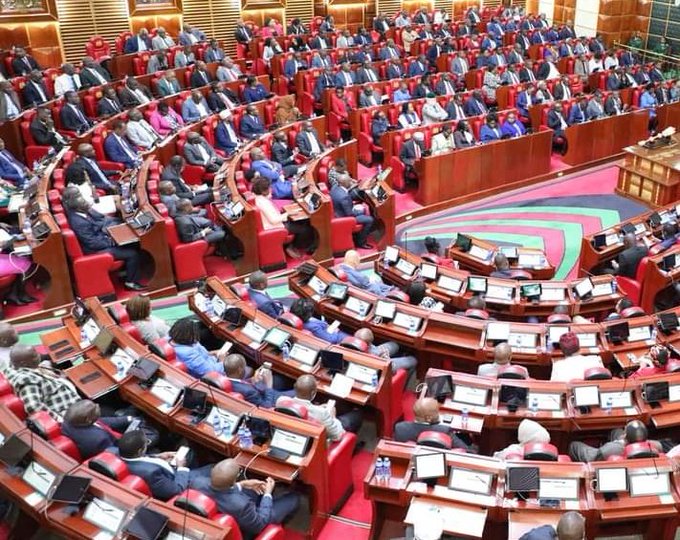
Kenya National Assembly
By: Silas Mwaudasheni Nande
I. Introduction
Parliament serves as the bedrock of governance, tasked with crafting laws that shape the nation’s progress. Ideally, it should function as a forum for rational debate, evidence-based policymaking, and collective problem-solving. However, when a legislative body becomes overcrowded with members from numerous political parties, particularly radical youth factions, it can transform into a battleground of verbal warfare, ideological rigidity, and self-serving power struggles. Instead of national building, excessive political diversity often leads to stalled reforms, biased decision-making, and legislative gridlock.
The consequences of this dysfunction are not merely theoretical. Across various African and European nations, parliamentary sessions have devolved into chaos, with members resorting to physical altercations when ideological clashes escalate. This article critically examines the dangers of overly fragmented parliaments, exploring how unnecessary debates obstruct nation-building efforts. It argues for structured reforms to ensure parliaments remain effective in their law-making responsibilities.
2. The Role of Parliament in Nation-Building
The primary responsibility of a parliament is to legislate laws that facilitate economic, political, and social stability. Effective governance relies on constructive discourse, where representatives engage in meaningful discussions to forge policies that benefit the nation. Parliament is meant to be the voice of the people, ensuring policies align with national interests rather than partisan agendas.
Successful governance depends on discipline, collaboration, and strategic decision-making. In a functional parliament:
- Lawmakers debate policies based on their merit, rather than personal biases.
- Parliamentary discussions focus on long-term national goals.
- Political differences do not obstruct legislative progress.
When parliament members, especially young radicals, prioritize political competition over national interests, law-making transforms into an endless struggle for dominance instead of constructive reform.
3. The Impact of an Overcrowded, Politically Divided Parliament
A parliament with an excessive number of parties can lead to governance instability. The larger the ideological spectrum, the more difficult it becomes to establish consensus, resulting in uncoordinated debates and inefficient legislative outcomes. Radical youth factions exacerbate these tensions, contributing to disruptive discussions that stall decision-making.
Examples from various nations illustrate this issue:
-
Kenya’s Parliament: Frequent political feuds between opposing parties have delayed legislative processes, affecting economic policies.
-
South Africa’s Parliament: Heated confrontations between ruling and opposition party members have led to disorderly conduct and interruptions in critical decision-making.
-
Ukraine’s Parliament: Disputes among multiple political parties have resulted in physical altercations, undermining democratic values.
The presence of too many conflicting political ideologies makes governance difficult. Instead of policy refinement, parliamentary sessions become arenas for ideological grandstanding, creating barriers to effective governance.
4. Unproductive Debates and Legislative Stalemates
Parliamentary debates are intended to foster insightful discussions that enhance policy development. However, excessive arguments driven by personal interests delay the passage of critical laws, harming governance efficiency.
In deeply divided parliaments:
- Laws stagnate: Parties block legislation to weaken opposing factions, delaying necessary reforms.
- Public confidence declines: Citizens lose trust in the system when representatives engage in endless disputes instead of passing meaningful policies.
- Governance weakens: Political infighting diverts attention from national priorities, causing legislative inefficiencies.
For instance, in Nigeria, prolonged political disputes delayed the passage of economic recovery bills, leading to financial instability. In Italy, policy gridlock caused setbacks in tax reforms due to ideological disagreements. The failure to resolve legislative stagnation compromises national progress.
5. Political Bias, Power Struggles, and Vote-Driven Agendas
An overcrowded parliament encourages factionalism, with lawmakers prioritizing political survival over national welfare. When politicians focus solely on gaining votes, policymaking becomes a tool for securing personal advantage rather than fostering economic and social development.
Key problems arising from vote-driven politics include:
- Short-term promises instead of long-term planning.
- Biased policymaking favoring party agendas over national interest.
- Conflicts over political supremacy rather than governance efficiency.
For example, in Ghana, ruling party members often prioritize party loyalty over pragmatic legislation, creating governance instability. Similarly, in Spain, election-driven policymaking has obstructed economic reforms, hindering long-term development strategies.
Without structured governance, political competition weakens national progress instead of strengthening it.
6. The Extreme Cases: Physical Fights in Parliament
Political tensions sometimes escalate beyond verbal exchanges into outright physical altercations. Some parliaments, particularly in regions with high political polarization, have witnessed lawmakers engaging in physical fights during disagreements.
Notable incidents include:
- Uganda: Lawmakers were seen exchanging blows over constitutional amendments.
- South Korea: Legislative disagreements turned into violent confrontations.
- Taiwan: Political disputes erupted into physical brawls on multiple occasions.
Such events damage the credibility of democratic institutions and signal governance failure. Instead of fostering solutions, lawmakers resort to aggression, further polarizing political spaces. The inability to maintain parliamentary discipline reflects poorly on the nation’s political integrity.
7. Possible Solutions and Recommendations
To restore parliamentary effectiveness, nations must implement structural reforms. Key recommendations include:
- Reducing excessive political fragmentation: Establishing limitations on the number of parties represented ensures focused debates.
- Enforcing parliamentary discipline: Strict policies against disruptive behavior prevent unnecessary conflicts.
- Encouraging policy-driven legislation: Shifting focus toward governance outcomes instead of political competition.
- Enhancing youth involvement: Educating young politicians about constructive engagement to prevent radicalized disruptions.
Governments must prioritize parliamentary reforms to ensure legislative bodies remain effective in their role.
8. Conclusion
Parliaments should serve as platforms for national development, but excessive political diversity and youth radicalism often transform them into theaters of ideological warfare. Overcrowded parliaments hinder governance efficiency by fostering unnecessary debates, delaying legislation, and prioritizing party agendas over national interests.
For nations to advance, legislative bodies must focus on constructive policymaking rather than political survival. Governments must undertake structural reforms to prevent the erosion of parliamentary integrity and ensure that law-making remains central to nation-building.
Similar Posts by The Mt Kenya Times:
- Mt Kenya Times ePAPER October 22, 2026
- Ruto heads to Harare for COMESA summit on trade and regional security
- Mudavadi and Wetangula walk out as Sifuna speaks at Nabwera memorial
- Police accountability on trial as seven officers face probe over journalist’s arrest
- Learners, teachers graduate from thrive for good organic farming training
About the Author