The Salim Swaleh Saga: A Cautionary Tale Of Redemption And Forgiveness

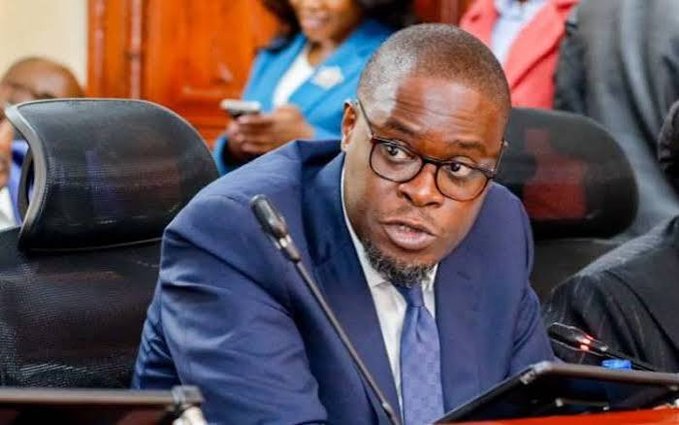
Former NTV anchor Salim Swaleh

By: James Kilonzo Bwire
The recent scandal involving former NTV anchor Salim Swaleh has captivated the nation, raising questions about the complexities of trust, accountability, and redemption in public service. Swaleh’s emotional plea for forgiveness from President William Ruto and Prime Cabinet Secretary Musalia Mudavadi, following his alleged involvement in a Sh5.8 million fraud case, has struck a chord with many Kenyans.
In a heartfelt video, Swaleh, who served as the Director of Press Service in the Office of the Prime Cabinet Secretary, expressed deep remorse for breaking Mudavadi’s trust. He detailed the emotional and financial turmoil he has faced since the scandal erupted, including the overwhelming burden of negative publicity and the stress of his situation, which has even led him to contemplate suicide.
Swaleh’s admission of the gravity of his actions and the impact they have had on his life is a testament to the weight of his mistakes. He revealed that he has been unable to secure new employment due to the ongoing legal issues and the stigma associated with the fraud allegations, further exacerbating his financial struggles.
The abrupt cessation of his salary has left Swaleh unable to meet his obligations and facing extortion from lawyers and police officers involved in the case. In his plea, he asked Mudavadi for assistance in resolving the legal ordeal, emphasizing that the prolonged court process has only added to his distress.
Swaleh’s apology comes after he was arrested alongside several high-ranking officials in June, accused of orchestrating a scheme to defraud foreign nationals by posing as government officials and soliciting bribes. The allegations have tarnished his reputation and left him in a precarious position, both personally and professionally.
In his emotional address, Swaleh reflected on the trust he had built with Mudavadi over the years, describing him as a father figure. He expressed regret for the pain his actions have caused and reiterated his desire for a second chance to rebuild his life. Swaleh’s heartfelt appeal highlights the human cost of the scandal and the desperate need for compassion and understanding in the face of adversity.
As the public awaits a response from the authorities, Swaleh’s situation serves as a poignant reminder of the complexities surrounding issues of trust, accountability, and redemption in the realm of public service. His story underscores the importance of addressing not only the legal ramifications of such scandals but also the emotional and psychological toll they take on individuals involved.
The Salim Swaleh saga also raises questions about the role of the media in such cases. While the media has a responsibility to report on matters of public interest, it is crucial to strike a balance between informing the public and respecting the privacy and dignity of those involved. The constant media scrutiny and negative publicity have undoubtedly taken a toll on Swaleh’s mental health and well-being.
As a society, we must grapple with the concept of redemption and the possibility of second chances. While Swaleh’s actions were undoubtedly unethical and illegal, his heartfelt apology and plea for forgiveness suggest a desire for remorse and change. It is up to those in positions of power, such as President Ruto and Prime Cabinet Secretary Mudavadi, to determine whether Swaleh deserves a second chance and how best to facilitate his rehabilitation and reintegration into society.
In conclusion, the Salim Swaleh saga serves as a cautionary tale of the consequences of unethical behavior in public service. It highlights the need for strong ethical standards, robust accountability measures, and a justice system that balances punishment with rehabilitation. As a society, we must also cultivate a culture of forgiveness and redemption, recognizing that even those who have made grave mistakes can learn from their experiences and contribute positively to their communities.
James Kilonzo Bwire is a Media and Communication Practitioner.
Similar Posts by The Mt Kenya Times:
- Diaspora Times Global Oct 24 – Oct 30, 2026
- America’s baby bust: U.S. birth rate hits record low as women choose later motherhood
- Literary Outreach Incubation Program Instills The Culture From Book Adaption To Spoken Words
- Why starting school too early is failing our children
- Who defines Africa’s destiny? The western lens, African compliance and the struggle for intellectual sovereignty
About the Author