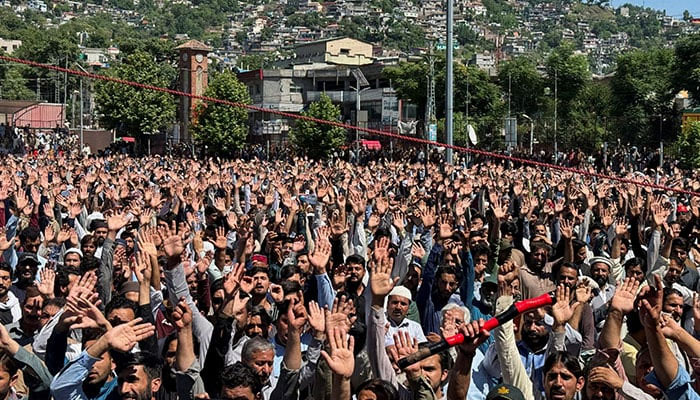
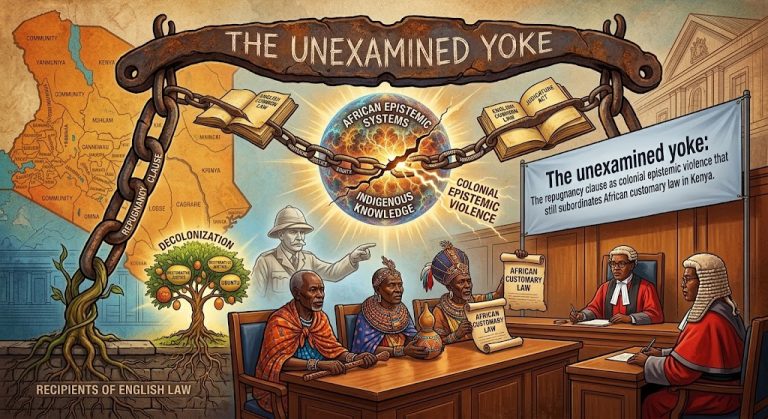
Media ethics play a crucial role in ensuring responsible journalism and maintaining public trust. At its core, media ethics revolves around principles like truthfulness, fairness, and accountability. Journalists have a duty to report accurate information, verifying facts before publication to avoid the spread of misinformation. This commitment to truth is vital, especially in an age where sensationalism can easily distort public perception.
Fairness and balance are also essential, as media should represent diverse viewpoints, particularly on contentious issues. This not only informs the audience but also fosters a more informed public discourse. Moreover, accountability in media means owning up to mistakes and correcting them promptly, which helps build credibility.
Respect for privacy is another key aspect of media ethics. While the media serves the public interest, it must also protect individuals’ rights to privacy, particularly in sensitive situations. Lastly, avoiding conflicts of interest is crucial for maintaining integrity; journalists should ensure their personal biases do not influence their reporting.
Media ethics are foundational to the practice of journalism, guiding professionals to act responsibly and uphold the trust placed in them by the public. By adhering to these ethical standards, the media can contribute positively to society and democracy.
Story by Farida Nzaro a Rongo University Student
Similar Posts by The Mt Kenya Times:
- Mt Kenya Times ePAPER October 3, 2026
- Ruto puts Coast landlords on notice over squatter harassment
- Nairobi lights candles for Raila in Uhuru Park tribute
- Jambojet returns to Entebbe with daily flights and fares from KSh22,950
- From Lamu to the region: What the Dangote Refinery could mean for Kenya’s energy economy
About the Author