
Urgent Need To Localize Climate Finance For Africa Agenda At COP29
 The Mt Kenya Times
Climate Finance
By: Ireen Twongirwe
Worth Noting:
- The Conference of the Parties (COP) is a meeting where world leaders gather to address environmental issues and make decisions about how to implement conventions. There are also important because global leaders, CSOs, feminists, activists, private and public sectors, observers, and presidents come together to make meaningful actions on environmental issues.
- The COP also provides a space for mass demonstrations, such as the International Day of Climate Action, which takes place during the conference. The COP to the UN Framework Convention on Climate Change (UNFCCC) is an annual summit where world leaders work together to address climate change. The COP also reviews the implementation of the convention, assesses the progress made, and considers amendments.
The 2024 UN Climate Change Conference (UNFCCC COP 29) is being convened in Baku, Azerbaijan. This event will include the 29th session of the Conference of the Parties (COP 29), the 19th meeting of the COP serving as the Meeting of the Parties to the Kyoto Protocol (CMP 19), and the sixth meeting of the COP serving as the Meeting of the Parties to the Paris Agreement (CMA 6) that will convene to complete the first enhanced transparency framework and the new collective quantified goal on finance, among other matters
Editor, this year’s COP is termed as Climate COP, so many Conference of Parties since COP1that was help in Berlin, Germany in 1995 where Delegates began discussions on how to reduce greenhouse gas emissions globally up to now we are still discussing the same agenda.
Why are COPs important in the fight for Climate justice?
The Conference of the Parties (COP) is a meeting where world leaders gather to address environmental issues and make decisions about how to implement conventions. There are also important because global leaders, CSOs, feminists, activists, private and public sectors, observers, and presidents come together to make meaningful actions on environmental issues. The COP also provides a space for mass demonstrations, such as the International Day of Climate Action, which takes place during the conference. The COP to the UN Framework Convention on Climate Change (UNFCCC) is an annual summit where world leaders work together to address climate change. The COP also reviews the implementation of the convention, assesses the progress made, and considers amendments. The COP also provides a platform for frontline representatives to address the world’s biggest emitters.
From this background, we found out that it’s very important space in solidarity to demand for climate and enviromental justice especially in the Global South Countries. However, it still comes to us as developing countries since we are at the forefront of natural calamities if these conference of parties are effective and performing their duties.
In my opinion, these conferences have not delivered what they are supposed to do because we have more climate crisis happen at frontline communities, Governments, Global North countries and oil companies investing more in fossil fuels that have catalyzed climate crisis in global south especially in Uganda and Tanzania with the construction of East Africa Crude Oil Pipeline (EACOP). This project is pushing the country into energy poverty, climate debts, and violation of enviromental, land and human rights, loss of biodiversity, destruction of ecosystems such as rivers, lakes, wetlands, National parks that have increased human wild conflicts among others. We see more funds going in fossil fuels such as oil, gas, coal and other mining minerals that are not sustainable and yet investing in Renewable Energy projects that are community based can help in reducing carbon gas emissions, increased climate adaptation, mitigation and localizing climate finance.
It’s important to note that the race to bridge the climate finance gap and strengthen resilience against rising natural hazards is heating up. Adaptation and resilience finance, which should be accelerating to catch up with rising natural hazard impacts, continues to fall short despite clarity on adaptation measures needed, the benefits they provide, and clarity on where they are needed. This calls for combined efforts through global governance to address urgent challenges effectively.
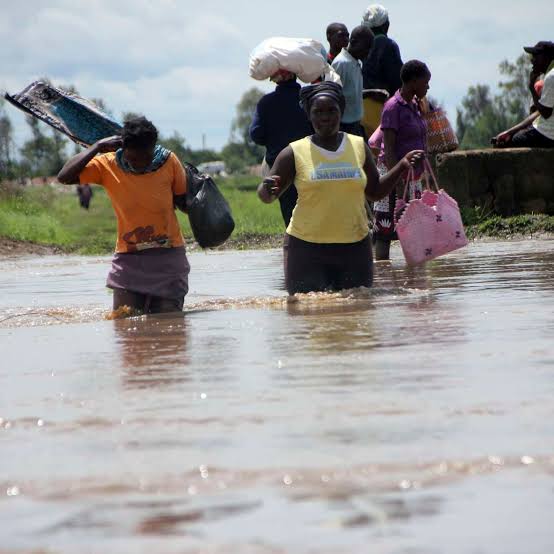
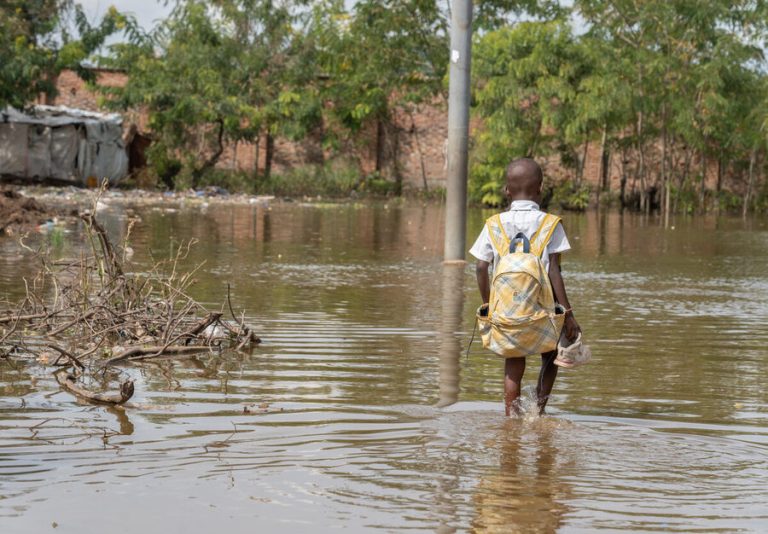
In addition, Climate change causes widespread adverse impacts and related losses and damages to nature and people that are unequally distributed across systems, regions and sectors. Science shows that vulnerability to climate change is exacerbated by inequity and marginalization, including in connection to gender, ethnicity, disability, age, and historical and ongoing patterns of inequity.
More so, Climate change’s gendered effects exacerbate existing gender inequalities, representing severe threats to women and girls’ health, livelihoods, and safety. It’s clear that Africa negotiators don’t take this context into account , moreover, barriers to participation of women and other marginalized groups affected by inequalities and discrimination need to be removed to ensure everyone can fully contribute to climate actions.
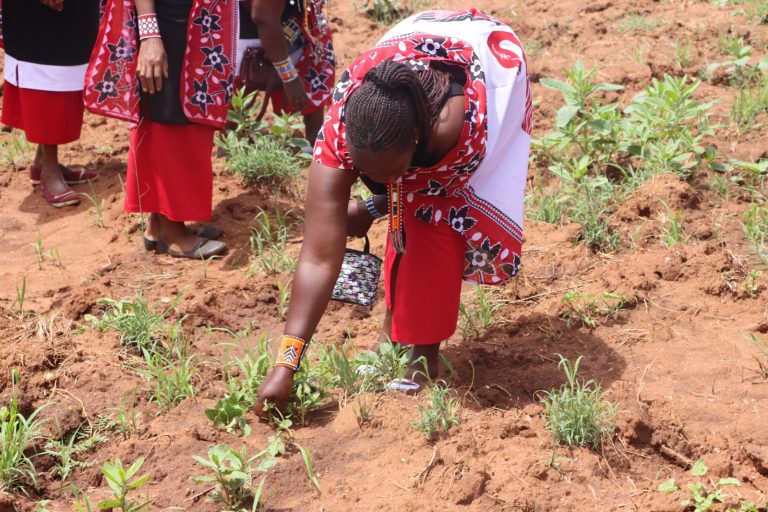
Furthermore, it’s important to note that marginalized women face disproportionate burdens due to roles in resource management, caregiving, limited access to resources and decision-making processes and this gap need to be addressed.
Therefore, while at finance COP, Africa negotiators need to define Climate Finance in the New Collective Qualitative Goal (NCQG) should be simple, clear for everyone to understand accessible, gender just, equitable, inclusive, grant based, flexible and localized to provide an everlasting solutions at grassroots
Africa negotiators should also focus on the need to phase out fossil fuels that have caused violations of women’s enviromental and land rights in the marginalized communities. Fossil fuels are the major contributors of climate crisis hence need to be stopped and invest in Renewable Energy that will reduce energy poverty, unpaid care work of care givers contributing in the achievement of the Sustainable Development Goals agenda and improving on the social economic development of marginalized women.
Lastly, Integrating gender considerations, specific vulnerabilities, needs, and contributions, in adaptation and mitigation strategies enhances the effectiveness and sustainability of climate action and promotes social justice. Gender equality and women’s empowerment are fundamental principles of sustainable development, effective climate action and crucial for achieving the goals of the Paris Agreement.
In a nutshell, “Let’s dispense with any idea that climate finance is charity. Big polluters must pay for their Losses and Damages caused voluntarily
For God and my Country
Ireen Twongirwe
Executive Director
Women for Green Economy Movement Uganda
Similar Posts by The Mt Kenya Times:
- Mt Kenya Times ePAPER September 17, 2026
- Ruto and Uhuru: The rupture at the heart of Kenya’s 2027 election
- Gakoromone traders and rights group demand closure of sewage discharge
- Retirement is not disenfranchisement: Reclaiming the constitutional rights of Kenya’s former presidents
- Kenya’s 2027 election: Can technology strengthen democracy or manipulate voters?
About the Author

 Brenda Holo