Uzbekistan: The Rising Star Of Culturally Tourism In Central Asia
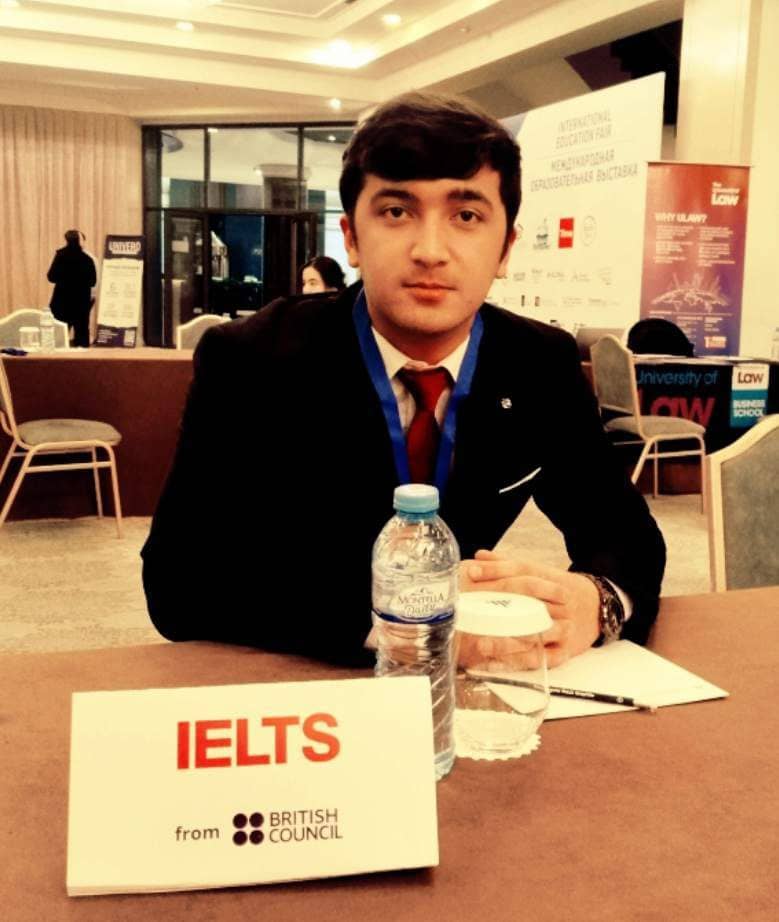
Madiyorbek Egamberdiyev
By: Madiyorbek Egamberdiyev
ANNOTATION
Uzbekistan, located at the heart of Central Asia, is rapidly emerging as a premier destination for cultural tourism due to its rich historical heritage, architectural marvels, and vibrant traditions. Once a key center along the ancient Silk Road, the country boasts a unique blend of Eastern and Western influences that have shaped its diverse culture over centuries. This article explores the factors contributing to Uzbekistan’s rise as a cultural tourism hub, including government-led reforms, preservation of historical monuments, improved infrastructure, and strategic international collaborations. Major cities such as Samarkand, Bukhara, and Khiva are highlighted for their UNESCO World Heritage Sites, showcasing the nation’s legacy in Islamic architecture, traditional crafts, and religious tolerance. Moreover, the revival of national festivals, handicrafts, cuisine, and folk art has enhanced the appeal of Uzbekistan for global tourists seeking authentic experiences. The paper also analyzes the role of digital marketing, visa facilitation, and tourism-friendly policies in attracting international visitors. Through a multidisciplinary lens, the article argues that Uzbekistan not only holds immense potential in cultural tourism but also serves as a model for sustainable and inclusive tourism development in the region. The study concludes by addressing challenges such as seasonal dependency and the need for further investment in human capital and eco-tourism, emphasizing the country’s strategic roadmap to becoming the cultural heart of Central Asia.
KEYWORDS
Uzbekistan, cultural tourism, Central Asia, Silk Road, heritage sites, Samarkand, Bukhara, Khiva, Islamic architecture, traditional crafts, UNESCO, tourism development, cultural heritage, sustainable tourism, tourism policy, historical preservation, national identity, intangible culture, international tourism, Central Asian culture, tourism infrastructure, hospitality industry, digital tourism, visa policy, regional cooperation.
INTRODUCTION
Uzbekistan, located in the heart of Central Asia, has long been known for its historical significance as a major crossroads of civilizations. As a key junction on the ancient Silk Road, the country served as a vital link between East and West, facilitating trade, knowledge exchange, and cultural interaction. In recent years, Uzbekistan has begun to harness its vast cultural heritage to develop a strong and dynamic tourism industry. From the majestic turquoise domes of Samarkand to the labyrinthine alleys of Bukhara and the desert charm of Khiva, Uzbekistan’s cities offer living testaments to centuries of architectural, religious, and artistic traditions.
With growing international interest and support from national reforms, Uzbekistan is transforming into a rising star of cultural tourism. This article aims to explore the unique cultural assets of Uzbekistan, the strategic efforts being made to promote tourism, and the country’s potential as a leading destination in Central Asia’s tourism landscape.
HISTORICAL AND CULTURAL PLACES OF UZBEKISTAN
Uzbekistan’s cultural identity is deeply rooted in its long and storied past. As one of the key regions along the Silk Road, it became a melting pot of cultures, ideas, and religions. The cities of Samarkand, Bukhara, and Khiva flourished as centers of Islamic scholarship, architecture, and trade during the medieval period. These cities attracted scholars, poets, craftsmen, and merchants from all over the Islamic world and beyond, leaving behind a lasting legacy of intellectual and artistic achievement.
Samarkand, often referred to as the “Pearl of the East,” was the capital of the great Timurid Empire and home to architectural masterpieces such as the Registan Square and the Shah-i-Zinda necropolis. Bukhara, known for its madrasahs and minarets, was a vital center of Islamic learning and Sufi spirituality. Khiva, with its well-preserved inner city, Ichan Kala, remains a living museum that reflects the lifestyle of a bygone era.
Uzbekistan’s culture is not only preserved in monuments and manuscripts but also in its rich traditions—oral literature, music, dance, and handicrafts. From the epic poetry of “Alpomish” to the melodies of shashmaqom music and intricate silk weaving, Uzbekistan continues to celebrate and promote its intangible cultural heritage. These elements create a deeply immersive and educational experience for cultural tourists.
The diverse ethnic makeup of the country, including Uzbeks, Tajiks, Kazakhs, Russians, and other minority groups, contributes to a multifaceted cultural atmosphere. Religious tolerance and coexistence, shaped by centuries of interaction, add further depth to the visitor experience. Today, Uzbekistan stands as a bridge between its ancient past and a modern, globally connected future.
CONCLUSION
Uzbekistan is rapidly gaining international attention as a cultural tourism destination thanks to its rich heritage, historic cities, and vibrant traditions. With strong government support, preservation of ancient sites, and a growing tourism infrastructure, the country is successfully reconnecting with its Silk Road legacy. By combining authenticity with modern development, Uzbekistan offers unique and memorable experiences for travelers. As it continues to invest in sustainable and inclusive tourism, Uzbekistan is well on its way to becoming the cultural heart of Central Asia.
Madiyorbek Egamberdiyev, son of Abdusamad, is a first-year student at the International Islamic Academy of Uzbekistan, majoring in Tourism and Hospitality. In 2024, he graduated from school with a gold medal, and the same year, he was admitted to university on a fully funded scholarship. In 2025, he was awarded the “Pride of the Nation” badge. He is also a graduate of the three-month Aspire Leadership Program at Harvard University.
Madiyorbek is an international volunteer, having contributed to events such as the Education Exhibition, Golden Wing Volunteers, and the Uzbekistan Volunteers Association. He is also a member of the Ibrat Debate Team within the Ibrat Children’s Organization.
In addition, he is:
A National Medical Volunteer
An artist
A FIFA volunteer
A holder of an international marketing certificate
The official representative of NASA’s Summer School in Uzbekistan
Similar Posts by The Mt Kenya Times:
- Mt Kenya Times ePAPER October 7, 2026
- Ruto signs KSh389B electric vehicle deal at State House
- Kenya mobilises KSh70B to fight Ebola as US and World Bank step in
- High Court freezes law school admissions over disputed entry rules
- Grade 11 textbooks head to schools as CBC transition gathers pace
About the Author