‘We Invest In People’: Meta’s Maxine Williams Urges Inclusive Innovation In Africa

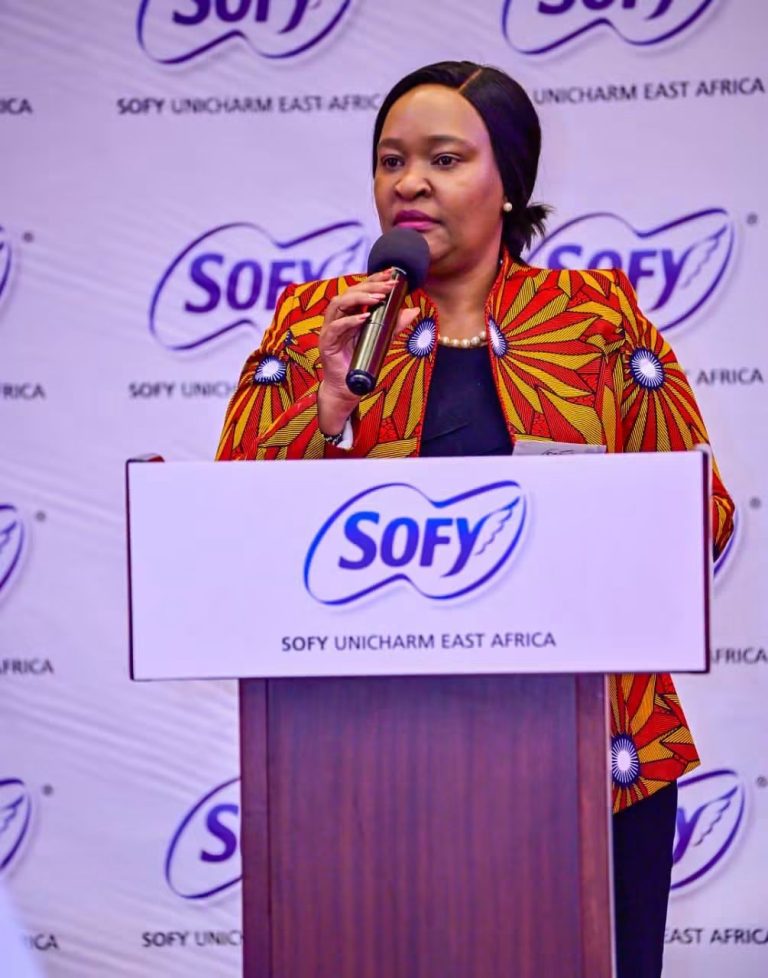
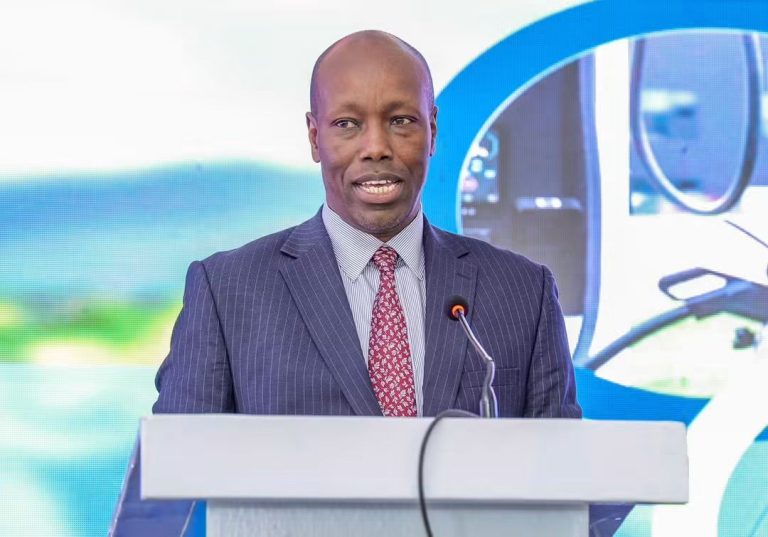
In picture, Global Assistive Technologies Day, celebrated annually on June 4, raising awareness of the critical role of assistive technologies in empowering individuals with disabilities. The event happened during the 6th Inclusive Africa Conference in Nairobi.
By Aoma Keziah
Innovators, policymakers, entrepreneurs, and disability advocates gathered to champion the future of accessible technology across the continent, during the Global Assistive Technologies (AT) Day that took place at the 6th Inclusive Africa Conference, that’s going on in Nairobi.
In her keynote address, Maxine Williams, Vice President of Accessibility and Engagement at Meta, praised Kenya’s role as a digital innovation hub and emphasised that accessibility is an economic opportunity, not just a moral imperative.
“When we build with accessibility in mind, we unlock opportunity. We invest in people, and people build economies,” she said.

Globally, they say that over 1.3 billion people, one in six, live with disabilities, yet far too many remain excluded from digital tools and services. Williams emphasised that accessibility should be integrated from the outset of product development, driving usability and growth for all.
Meta’s open-source AI tools, including Llama and Massively Multilingual Speech (MMS), are already revolutionising accessibility in Africa. MMS supports over 1,100 languages, incorporating African languages that were previously excluded from AI.
The Vice President further highlighted that innovations such as Jacaranda Health’s llama-powered maternal health assistant in Kenya, HelpMum’s vaccine chatbot in Nigeria, Twiga’s teaching assistant in Tanzania, and FoondaMate’s AI study buddy, which is utilised by millions of students in Sub-Saharan Africa.
Meta is also enhancing accessibility across its global platforms. WhatsApp now includes voice message transcription, while Facebook and Instagram provide improved screen reader support and AI-generated alt text, features developed in collaboration with the disability community.
“Real accessibility happens when Global most impacted help design the solutions,” continued to say Williams
Nathalie Kouassi Akon, Global Director of Gender & Economic Inclusion at the IFC, reinforced the business case for investing in accessibility.
“The story of Regina, a Nairobi entrepreneur with a disability, her business was transformed after gaining access to a smartphone through an African fintech platform. Yet challenges remain, nearly 80% of rural Kenyans with disabilities still lack access to basic technology and financial services,” she remarked.
She also highlighted that the MOSAIC initiative launched in conjunction with ATscale, to enhance Africa’s AT manufacturing and skills development.
“The global AT market is projected to reach USD60 billion by 2030, and Africa stands to benefit significantly if the right investments are made. She also applauded efforts to create 500,000 Jobs for young people with disabilities across the continent,” Akon explained.
Additionally She called for greater collaboration between Governments, industry, and civil society to foster inclusive innovation and responsible AI development.
The Global Assistive Technologies Day, celebrated annually on June 4, raises awareness of the critical role of assistive technologies in empowering individuals with disabilities. From screen readers to mobility aids, assistive technology (AT) enables millions to live independently, pursue education, and secure employment.
However, its stated that only 1 in 10 people worldwide have access to the AT they require. As demand is expected to surge, Global AT Day calls for bold innovation, stronger partnerships, and increased investment to close this gap. This year’s celebration in Nairobi highlighted Africa’s growing leadership in shaping an inclusive digital future for all.
Similar Posts by Aoma Keziah:
- Nationwide Youth Business Drive Enters Last Lap With New Nyota Trainings
- Green Light From Washington Sets G42 On Fast Track to Build Region’s Most Powerful AI Network
- Safina Eyes Kariobangi North Seat in Intensified Push Before Poll Day
- KEBS Opens Talks With Manufacturers On New Standards Levy Order 2025
- Kenya, Uganda And South Sudan Chart Way Forward On East Africa Rail Corridor
About the Author

 The Mt Kenya Times