By Jerameel Kevins Owuor Odhiambo
In 2013, Kenya stood at a crossroads of hope and peril. Uhuru Kenyatta and William Ruto, facing International Criminal Court (ICC) indictments for crimes against humanity related to the 2007-2008 post-election violence that claimed over 600 lives and displaced hundreds of thousands, were cleared by the courts to vie for the highest offices. The Court upheld their candidacy, and the duo, under the Jubilee Alliance, swept to victory. This “greenlight” was celebrated by supporters as a triumph of democracy over foreign interference. Nevertheless, it cast a long, ominous shadow over Chapter Six of the 2010 Constitution the very chapter Kenyans had overwhelmingly endorsed to enshrine leadership and integrity as non-negotiable pillars of the new republic.
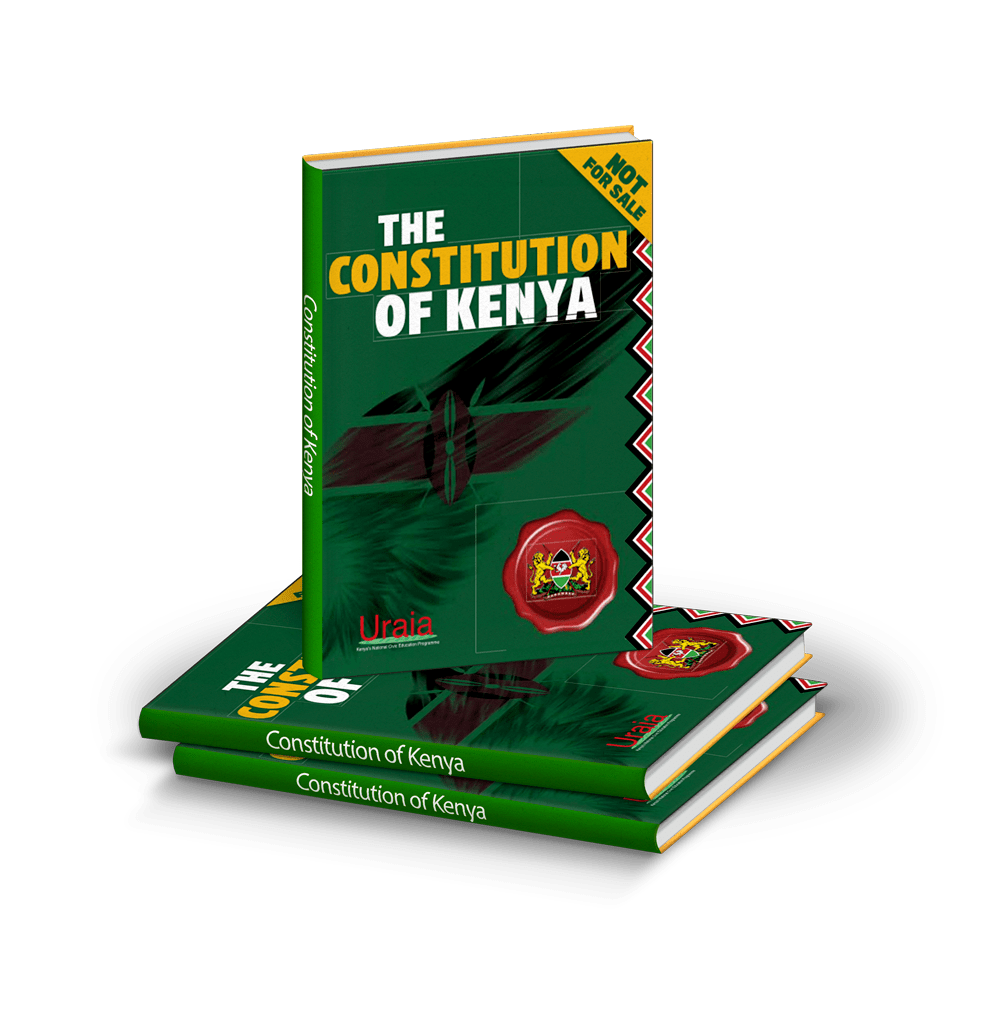
Chapter Six, titled “Leadership and Integrity,” is not mere ornamentation. Articles 73 to 80 demand that state officers embody personal integrity, competence, selfless service, accountability, and transparency. Leaders must shun nepotism, favoritism, and corrupt practices; declare conflicts of interest; and conduct themselves in ways that maintain public confidence. It was the moral heartbeat of a Constitution born from the ashes of impunity, ethnic strife, and grand corruption. Kenyans envisioned a break from the past; a nation where power serves the people, not devours them. The 2013 greenlight, however, signaled that expediency could eclipse ethics. If accused masterminds of violence could ascend to leadership, what message did it send about the enforceability of integrity? It normalized a dangerous pragmatism: the ends justify the means, and Chapter Six is aspirational, not obligatory.
This foundational compromise has metastasized. Kenya’s Corruption Perceptions Index score languishes at a dismal 30 out of 100 in 2025, ranking 130th out of 182 countries, a two-point decline signaling stagnation and regression. Transparency International and the Ethics and Anti-Corruption Commission (EACC) reports paint a portrait of systemic rot: billions lost annually to ghost projects, inflated tenders, and elite capture. The Kenya Bribery Index reveals ordinary citizens still grease palms for basic services, while the powerful feast unchecked. From Anglo-Leasing ghosts to recent controversies over public debt audits, fertilizer scandals, and procurement deals, the pattern is relentless.
The implications of that 2013 precedent ripple like venom through the body politic. It eroded the moral authority of leadership. When those at the pinnacle operate under a cloud whether of past indictments or fresh allegations it breeds cynicism. Public trust evaporates. Youth unemployment festers alongside mountains of debt (Sh13 trillion and counting), while scandals erode the social contract. The people who queued in the sun to ratify the 2010 Constitution did not dream of leaders who treat state coffers as personal ATMs or institutions as shields against accountability. They envisioned servants, not overlords.
Literary giants like Chinua Achebe warned in Things Fall Apart of the center that cannot hold when integrity crumbles. Kenya’s centre its constitutional ethos is fraying. Chapter Six was meant to be the glue: a bulwark against the “big man” syndrome that plagued post-independence Africa. Instead, it has become a parchment tiger. Courts have occasionally flexed muscle, as in barring governors like Samburu’s Moses Lenolkulal or Kiambu’s Ferdinand Waititu on integrity grounds, invoking Chapter Six values. Even so, high-profile cases fizzle. Prosecutions target small fish while sharks swim free. The Directorate of Criminal Investigations (DCI), EACC, Director of Public Prosecutions (DPP), and Judiciary often operate in silos or at cross-purposes blame-shifting, resource-starved, or politically pressured. Reports from The Standard and Daily Nation have chronicled this theater: raids that yield headlines but few convictions, asset recoveries that vanish into legal limbo, and a revolving door of “innocent until proven guilty” for the connected.
Consider the human cost. A mother in Kibera who cannot access quality healthcare because funds were siphoned into ghost hospitals. A farmer in the Rift Valley watching subsidized fertilizer disappear into political patronage networks. A graduate hawking vegetables on Nairobi streets while billions fund vanity projects. These are not abstract statistics; they are souls crushed under the weight of betrayed promise. Good governance is not a technocratic slogan, it is the difference between a child buried in an unmarked grave due to collapsed infrastructure and one thriving in a nation that invests in its future. Without integrity, democracy devolves into electoral authoritarianism: votes bought, institutions captured, futures mortgaged.
The 2010 Constitution was a covenant with posterity. Kenyans rejected the old order of impunity. They demanded leaders who are “selected on the basis of personal integrity” (Article 73). However, 15 years on, implementation remains cosmetic. Vetting processes for public office are often perfunctory rituals. Wealth declarations gather dust. Conflicts of interest flourish in plain sight. As one Nation analysis noted on the 15th anniversary, Chapter Six tests the moral compass of leadership but the needle spins wildly.
Original insight demands we confront this squarely: the crisis is not merely legal but cultural and spiritual. Kenya’s soul hungers for authenticity. When leaders flout Chapter Six, they don’t just violate statutes; they profane the collective dignity of a people who bled for reform. The “hustler vs. dynasty” narratives, debt burdens, and youth despair are symptoms of this deeper affliction. Concerted efforts are imperative. EACC, DCI, DPP, and the courts must forge ironclad collaboration not performative meetings, but binding protocols for swift investigations, asset tracing, and prosecutions insulated from executive whim. Specialized anti-corruption courts with adequate funding. Reversal of burden of proof for unexplained wealth. Lifetime bans for convicted leaders. Public dashboards tracking Chapter Six compliance. These are not radical; they are what Kenyans envisioned.
Imagine the alternative: a Kenya where integrity is lived reality. Where a president’s legacy is measured not by rallies or ethnic arithmetic, but by transparent ledgers and empowered citizens. Where Chapter Six breathes life into every appointment, tender, and policy. Literary device meets lived truth the Constitution as phoenix, rising from repeated near-death. Persuasion here is moral urgency: leaders who evade it mock the blood of 2007-08 and the ballot of 2010. Citizens must demand it relentlessly through vigilant media like The Standard and Daily Nation, civil society, and the ballot.
The path forward requires original courage. Reject the false binary of “development at the cost of ethics.” True development flowers only in soil tilled by integrity. Kenya’s youth, the digital generation armed with information, sense the hypocrisy. They reject it. Let 2027 and beyond mark not another cycle of selective amnesia, but the dawn where Chapter Six ceases to be aspirational prose and becomes the iron law of the land.
In the words of the Constitution’s framers’ intent, and echoed in the hearts of millions: power belongs to the people, exercised through leaders of unimpeachable character. The 2013 greenlight was a warning. Let it fuel a reckoning. Good governance is not optional; it is Kenya’s redemption song. Sing it loudly, live it fiercely, or watch the republic unravel. The choice, as always, rests with us.
The writer is a social commentator
Similar Posts by The Mt Kenya Times:
- Mt Kenya Times ePAPER October 24-25, 2026
- Muturi calls on IEBC to keep election technology tender clean and on schedule
- Ruto meets UAE minister in push to deepen trade ties
- Gideon Moi breaks silence on Ruto fallout, cites broken promises
- The doctor who refused to abandon a sick Uganda
About the Author